Best Caffeine-Free Teas for Daily Wellness (2026 Guide) | Ceylon Spice Garden
Best Caffeine-Free Teas for Daily Wellness (2026 Guide)
⚡ TL;DR
- All herbal teas are naturally caffeine-free. True teas (black, green, white, oolong) come from Camellia sinensis and contain caffeine. Herbal teas come from other plants and contain zero caffeine.
- Best all-rounder: Soursop Leaf Tea — immunity, sleep, anti-inflammatory, antioxidants
- Best for detox: Amla (Indian Gooseberry) Tea — vitamin C powerhouse, liver support
- Best for metabolism: Ceylon Cinnamon Tea — blood sugar regulation, thermogenic
- Best for brain health: Gotu Kola Tea — traditional nootropic, memory support
- Best for kidney health: Polpala Tea — Sri Lankan kidney stone prevention herb
- Most unique: Butterfly Pea Flower Tea — changes color with pH, loaded with anthocyanins
- Drink any time: All 13 can be enjoyed morning, afternoon, or evening without sleep disruption
Table of Contents
- The Truth About Caffeine-Free Tea
- Master Comparison: All 13 Caffeine-Free Teas
- Best for Immunity & Cellular Health
- Best for Metabolism & Weight Management
- Best for Detox & Organ Health
- Best for Brain & Nervous System
- Specialty & Unique Wellness Teas
- Low-Caffeine Options: Black Tea Blends
- How to Build a Daily Tea Schedule
- Frequently Asked Questions
The Truth About Caffeine-Free Tea
There's an important distinction most articles get wrong:
- "True tea" (black, green, white, oolong) comes from the Camellia sinensis plant and always contains caffeine — typically 25–90mg per cup.
- "Herbal tea" (technically a tisane) comes from other plants — leaves, flowers, roots, bark, or spices — and is naturally caffeine-free. No decaffeination process needed because there's no caffeine to remove.
This matters because "decaffeinated" tea (decaf black tea, decaf green tea) still contains 2–5mg of residual caffeine, and the chemical decaffeination process can strip beneficial compounds. Naturally caffeine-free herbal teas have zero caffeine and retain 100% of their bioactive compounds.
Why go caffeine-free?
- Better sleep — caffeine's half-life is 5–6 hours. An afternoon cup at 3pm means half is still in your system at 9pm.
- Less anxiety — caffeine blocks adenosine receptors, increasing norepinephrine and cortisol. If you're anxiety-prone, caffeine amplifies it.
- No dependency cycle — no morning withdrawal headaches, no "I can't function without coffee" trap.
- Pregnancy-safe options — many (not all) herbal teas are safe during pregnancy when caffeine should be limited.
- Drink any time — morning, afternoon, evening, bedtime. No timing restrictions.
Master Comparison: All 13 Caffeine-Free Teas
| Tea | Primary Benefit | Best Time to Drink | Taste Profile |
|---|---|---|---|
| Soursop Leaf | Immunity + sleep + anti-inflammatory | Evening / anytime | Mild, slightly sweet, earthy |
| Moringa Leaf | Nutrition + energy (no caffeine) | Morning | Earthy, slightly grassy |
| Ceylon Cinnamon Herbal | Blood sugar + metabolism | After meals | Warm, sweet, spicy |
| Ceylon Cinnamon Leaf | Antioxidant + anti-inflammatory | Anytime | Mild cinnamon, lighter |
| Polpala | Kidney health + stone prevention | Morning / afternoon | Mild, herbal, clean |
| Lemongrass Herbal | Digestion + relaxation | After meals / evening | Citrusy, refreshing |
| Amla (Gooseberry) Detox | Vitamin C + liver detox | Morning (empty stomach) | Tart, slightly sour |
| Butterfly Pea Flower | Antioxidants + brain health | Anytime (great iced) | Mild, earthy, floral |
| Gotu Kola | Memory + cognitive function | Morning / study sessions | Mild, slightly bitter, grassy |
| Iramusu | Blood purifier + body cooling | Morning / hot weather | Mild, woody, clean |
| Thebu (Insulin Plant) | Blood sugar regulation | Before meals | Mild, slightly herbal |
| Advanced Metabolism Support | Metabolism + fat oxidation | Morning / before exercise | Spiced herbal blend |
| Fat Burn Metabolism Support | Thermogenic + appetite support | Morning / between meals | Spiced herbal blend |
Best for Immunity & Cellular Health
🥇 Soursop Leaf Tea (Graviola)
Why it stands out: Contains annonaceous acetogenins — a class of compounds found in no other common food or supplement. Over 100 different acetogenins have been identified, with documented immune cell modulation (NK cell and T-cell enhancement), anti-inflammatory action, and antioxidant protection. Also supports sleep through tryptophan pathway support and muscle relaxation. The most versatile caffeine-free tea available.
- Key compounds: Acetogenins, vitamin C, flavonoids, alkaloids
- Evidence: 350+ published studies on Annona muricata
- Best for: Immunity, sleep, inflammation, daily antioxidant protection
🥈 Moringa Leaf Tea
Why it stands out: Called "the miracle tree" — moringa contains all 9 essential amino acids, 7 vitamins, 6 minerals, 46 antioxidants, and 36 anti-inflammatory compounds. Gram for gram, moringa leaves have 7× the vitamin C of oranges, 4× the calcium of milk, and 2× the protein of yogurt. It provides natural, sustained energy without caffeine — through nutrient density, not stimulation.
- Key compounds: Quercetin, chlorogenic acid, isothiocyanates, beta-carotene
- Evidence: Extensively studied for nutrition, lactation support, and anti-inflammatory effects
- Best for: Daily nutrition, natural energy, breastfeeding mothers, iron-deficiency
Amla (Indian Gooseberry) Detox Tea
Why it stands out: Amla contains one of the highest natural concentrations of vitamin C of any fruit — up to 20× the vitamin C of an orange. In Ayurveda, amla is considered the most powerful rejuvenating herb (rasayana). It supports liver function, enhances iron absorption, and provides potent antioxidant protection for immune cells.
- Key compounds: Vitamin C, gallic acid, ellagic acid, tannins
- Best for: Vitamin C intake, liver detox, skin health, immune defense
Best for Metabolism & Weight Management
🥇 Ceylon Cinnamon Herbal Tea
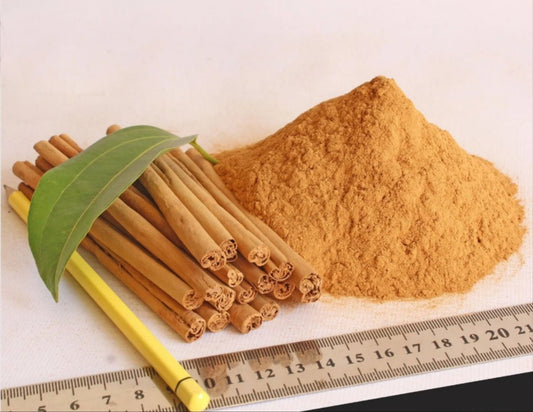
Why it stands out: True Ceylon cinnamon (Cinnamomum verum) — not the common cassia cinnamon found in most products. Ceylon cinnamon improves insulin sensitivity, regulates blood sugar spikes after meals, and has a mild thermogenic effect that supports metabolism. Ultra-low coumarin levels make it safe for daily use (cassia contains 250× more coumarin).
- Key compounds: Cinnamaldehyde, eugenol, proanthocyanidins
- Best for: Blood sugar regulation, post-meal glucose control, metabolism support
Ceylon Cinnamon Leaf Tea
Why it stands out: Made from the leaves rather than bark, cinnamon leaf tea has a milder flavor and higher eugenol content. Eugenol is a powerful anti-inflammatory and antimicrobial compound. A gentler option for those who find bark tea too intense.
Shop Cinnamon Leaf Tea →Thebu Leaves Tea (Insulin Plant)
Why it stands out: Costus speciosus, known as the "insulin plant" in traditional Sri Lankan and Indian medicine. Contains costunolide and diosgenin — compounds studied for their ability to support healthy blood glucose metabolism. Used traditionally by people looking for natural blood sugar management support.
- Best for: Blood sugar support, metabolic health, pre-diabetes lifestyle management
Advanced Metabolism Support Tea
Why it stands out: A purpose-blended Ceylon herbal formula targeting multiple metabolic pathways. Designed for daily metabolism support through thermogenic spices and metabolic-enhancing herbs — all without caffeine. No jitters, no crash.
Shop Metabolism Support Tea →Fat Burn Metabolism Support Tea
Why it stands out: Formulated specifically for fat oxidation support. Combines thermogenic Ceylon herbs that encourage the body's natural fat-burning mechanisms. A caffeine-free alternative to green tea extract supplements for those seeking metabolism support without stimulants.
Shop Fat Burn Tea →Best for Detox & Organ Health
🥇 Polpala Herbal Tea (Aerva lanata)
Why it stands out: Sri Lanka's most treasured kidney herb. Aerva lanata has been used for centuries for kidney stone prevention and dissolution. Clinical research supports its ability to inhibit calcium oxalate crystal formation — the most common type of kidney stone. Also acts as a natural diuretic and urinary tract cleanser.
- Key compounds: Alkaloids, flavonoids, polyphenols, betulin
- Best for: Kidney health, stone prevention, urinary tract support, natural diuretic
Iramusu Tea (Body Cooling & Blood Purifier)
Why it stands out: Hemidesmus indicus (Iramusu/Indian sarsaparilla) is a cornerstone of Ayurvedic detox. Known primarily as a blood purifier and body-cooling herb — traditionally used in tropical climates to reduce internal heat, support clear skin, and promote overall detoxification. Rich in anti-inflammatory compounds.
- Best for: Blood purification, body cooling, skin health, hot climate wellness
Lemongrass Herbal Tea
Why it stands out: Ceylon lemongrass (Cymbopogon citratus) is a natural digestive aid and relaxant. Contains citral — a compound with documented antimicrobial, anti-inflammatory, and anxiolytic properties. The refreshing citrus flavor makes it one of the easiest herbal teas to drink consistently. Excellent hot or iced.
- Best for: Digestion, bloating, stress relief, refreshing any-time drink
Best for Brain & Nervous System
🥇 Gotu Kola Tea (Brain & Memory)
Why it stands out: Centella asiatica is one of the most studied nootropic herbs in traditional medicine. Used for memory enhancement, cognitive function, and nerve regeneration in both Ayurvedic and Chinese medicine for over 3,000 years. Contains triterpenoids (asiaticoside, madecassoside) that support brain-derived neurotrophic factor (BDNF) — the protein responsible for new neuron growth. The caffeine-free alternative to "brain-boosting" energy drinks.
- Key compounds: Asiaticoside, madecassoside, brahmoside
- Best for: Memory, focus, cognitive longevity, students, aging brain support
Butterfly Pea Flower Tea
Why it stands out: The most visually stunning tea you'll ever brew — deep blue color that changes to purple with lemon. Beyond the spectacle, butterfly pea flower (Clitoria ternatea) contains powerful anthocyanins that support cognitive function, eye health, and antioxidant protection. Studies show it may enhance memory and reduce anxiety.
- Key compounds: Delphinidin, kaempferol, p-coumaric acid
- Best for: Antioxidants, brain health, eye health, cocktail/mocktail base, visual appeal
Specialty & Unique Wellness Teas
What makes Ceylon herbal teas different?
Sri Lanka's unique combination of tropical climate, volcanic soil composition, and 3,000-year Ayurvedic tradition produces herbs with higher concentrations of bioactive compounds than herbs grown elsewhere. Every tea on this list is sourced from Sri Lankan farms, processed traditionally, and packaged without artificial additives, fillers, or added sugar. What's in the bag is the herb — nothing else.
Low-Caffeine Options: Black Tea Blends
If you're reducing caffeine rather than eliminating it entirely, these blends combine Ceylon black tea with functional herbs. The caffeine content is lower than pure black tea (roughly 20–35mg per cup vs 40–70mg for standard black tea):
| Blend | Approx. Caffeine | Unique Benefit |
|---|---|---|
| Lemongrass Black Tea Blend (FBOPF) | ~25–35mg | Digestive support + gentle energy. Premium FBOPF-grade Ceylon black tea with citrusy lemongrass. |
| Masala Chai Tea | ~25–35mg | Warming metabolism boost. Ceylon cinnamon, cardamom, cloves, ginger, black pepper — traditional spice blend. |
| Amla Black Tea Blend (FBOPF) | ~25–35mg | Vitamin C + antioxidants. Amla's immune benefits paired with premium Ceylon black tea. |
| Garcinia Cambogia Black Tea | ~25–35mg | Weight management. HCA from garcinia cambogia combined with Ceylon black tea metabolism boost. |
How to Build a Daily Caffeine-Free Tea Schedule
| Time | Recommended Tea | Why at This Time |
|---|---|---|
| Morning (empty stomach) | Amla Detox Tea or Moringa Leaf Tea | Vitamin C absorption is highest on empty stomach. Moringa provides sustained natural energy to start the day. |
| Mid-morning | Gotu Kola Tea or Butterfly Pea Flower Tea | Cognitive support during peak work/study hours — without caffeine jitters or afternoon crash. |
| After lunch | Ceylon Cinnamon Tea or Lemongrass Tea | Cinnamon regulates the post-meal blood sugar spike. Lemongrass aids digestion and prevents bloating. |
| Afternoon | Polpala Tea or Iramusu Tea | Kidney flushing and detox benefits are best mid-day when hydration levels are high. |
| Evening (60–90 min before bed) | Soursop Leaf Tea | Multi-pathway sleep support (serotonin-melatonin + muscle relaxation + anti-inflammatory). Zero grogginess next morning. |
You don't need all of them
Pick 2–3 based on your primary health goals and rotate them. The point is: with caffeine-free teas, you can drink tea all day — morning to bedtime — and every cup is actively supporting a different aspect of your health. Try doing that with coffee.
Frequently Asked Questions
Yes — naturally and completely. Herbal teas (tisanes) come from plants other than Camellia sinensis and contain zero caffeine. They don't need to be "decaffeinated" because they never contained caffeine in the first place. Every herbal tea on this list — soursop, moringa, cinnamon, polpala, lemongrass, amla, butterfly pea, gotu kola, iramusu, thebu — is 100% caffeine-free. The black tea blends (masala chai, lemongrass black tea, amla black tea, garcinia black tea) do contain caffeine from the black tea component.
Moringa leaf tea. Moringa provides natural, sustained energy through exceptional nutrient density — iron (combats fatigue), B vitamins (energy metabolism), complete amino acids (protein synthesis), and vitamin C (iron absorption). It's the closest thing to "energy without caffeine" that exists in nature. The energy feels different from caffeine — no spike, no crash, no jitters. Just steady alertness.
Soursop leaf tea. It works through multiple sleep pathways simultaneously — tryptophan-to-serotonin-to-melatonin conversion, alkaloid-mediated sedation, muscle relaxation, and anti-inflammatory action. Most sleep teas (like chamomile) only work through one pathway (GABA). Soursop works through four. Drink it 60–90 minutes before bed, steeped for 10–15 minutes. Read our full guide: Benefits of Soursop Leaves.
Some caffeine-free teas are generally considered safe during pregnancy (lemongrass in moderation, ginger), while others should be avoided (soursop, moringa during first trimester, thebu). Always consult your ob-gyn or midwife before adding any herbal tea during pregnancy. "Caffeine-free" does not automatically mean "safe in pregnancy" — many herbs have bioactive compounds that may affect pregnancy.
For most herbal teas on this list, 1–3 cups daily is a standard and safe range for healthy adults. You can drink different teas throughout the day (e.g., moringa in the morning, cinnamon after lunch, soursop in the evening). Avoid exceeding 3 cups of any single herb per day. If you take medications, check with your doctor as some herbs can interact with pharmaceuticals — particularly cinnamon with diabetes medications and polpala with blood pressure medications.
Ceylon cinnamon tea is the strongest single-herb option — it regulates blood sugar (reducing cravings), has thermogenic properties (increases calorie expenditure), and improves insulin sensitivity. For a multi-herb approach, the Advanced Metabolism Support Tea and Fat Burn Tea are specifically formulated for metabolic support.
Anthocyanins — the same antioxidant pigments found in blueberries. Butterfly pea flower tea brews a deep indigo blue. Add citrus (lemon juice) and the pH change turns it vibrant purple. Add hibiscus and it turns pink. This isn't a gimmick — the anthocyanins responsible for the color change are the same compounds providing antioxidant, anti-inflammatory, and cognitive benefits.
Yes — our teas are sourced from Sri Lankan farms practicing organic or pesticide-free cultivation. They contain no artificial additives, fillers, flavoring agents, or added sugar. Each tea bag contains only the herb — nothing else. The herbs are processed using traditional methods that preserve the maximum concentration of bioactive compounds.
The Bottom Line
Caffeine-free tea isn't a compromise for people who "can't handle caffeine." It's a deliberate wellness strategy. Every cup on this list delivers specific, evidence-backed health benefits — immunity, metabolism, detox, brain health, sleep, kidney support — that caffeinated beverages simply don't provide.
Pick 2–3 that match your health goals. Build a daily schedule. Be consistent. The compounds are cumulative — they get more effective the longer you use them.