


Ceylon Spice Garden
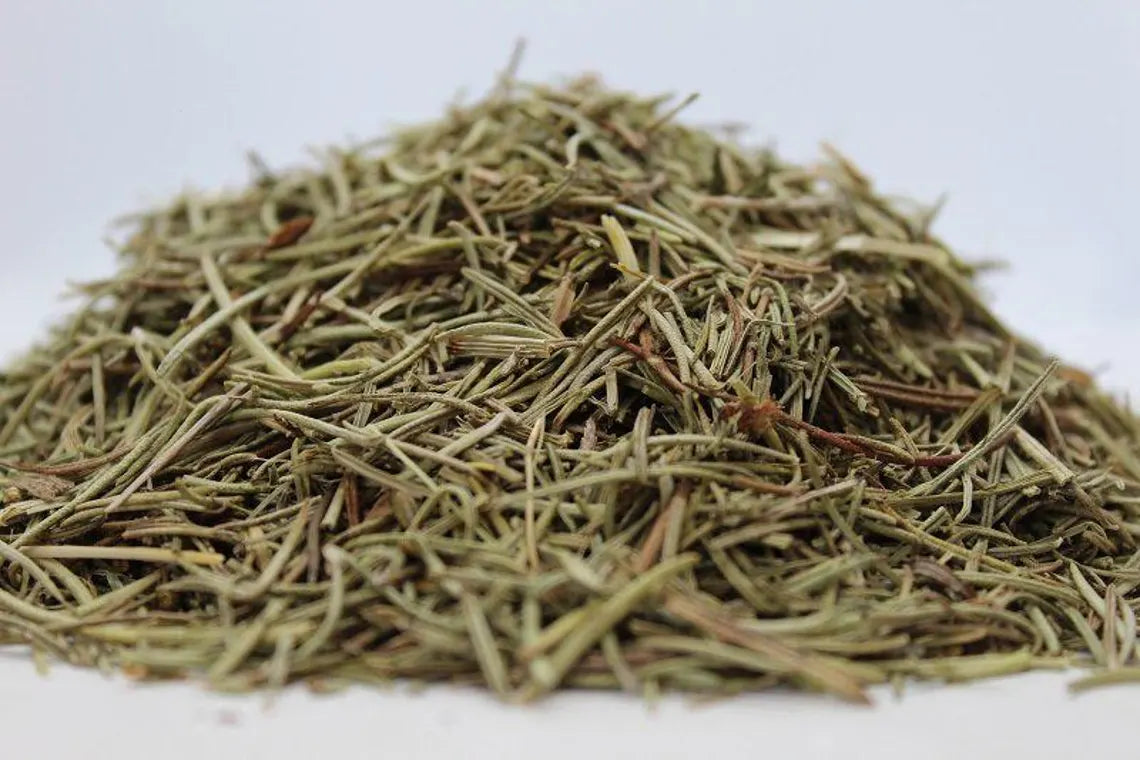
Ceylon Dried Rosemary Leaves – Premium Culinary Herb
Ceylon Dried Rosemary Leaves – Premium Culinary Herb
Couldn't load pickup availability
Product Details & Specifications
Net Weight: Available in 50g, 100g, 200g, 450g, 900g premium dried rosemary
Form: Whole dried needle leaves, or coarsely crushed — premium grade
Serving Size: 1/2 to 1 teaspoon (0.5–1.5g) dried per dish (1 tsp dried = approximately 1 tbsp fresh)
Yield: Approximately 60–100 servings per 100g
Shelf Life: 36 months whole dried needles sealed, 24 months crushed
Aroma Profile: Intensely piney, camphoraceous, warm, woody, with eucalyptus and floral undertones — one of the world's most distinctive and invigorating herb aromas, instantly recognisable
Storage: Store in cool, dry place in airtight container away from direct sunlight, heat, and moisture. Keep away from cooking steam and vapours. Whole dried needle leaves retain potency significantly longer than crushed forms.
Nutritional & Active Compound Information (Per 100g Dry Leaves)
| Component | Amount | Health Benefits |
|---|---|---|
| Rosmarinic Acid (Primary Polyphenol) | 3–6% | Powerful antioxidant, anti-inflammatory, antiviral, neuroprotective, memory enhancement |
| Carnosic Acid | 1.5–4% | Neuroprotective, anticancer, potent antioxidant, liver protection, metabolic support |
| Carnosol | 1–3% | Anticancer, anti-inflammatory, antioxidant, liver protection, anti-obesity |
| 1,8-Cineole (Eucalyptol) | 15–55% of essential oil | Cognitive enhancement, memory boost, respiratory support, antimicrobial, anti-inflammatory |
| Camphor | 5–20% of essential oil | Circulatory stimulant, analgesic, antimicrobial, respiratory relief |
| Alpha-Pinene | 10–25% of essential oil | Bronchodilatory, anti-inflammatory, antimicrobial, cognitive enhancement |
| Total Essential Oil | 1–2.5% | Antimicrobial, antifungal, circulatory stimulant, hair growth, cognitive boost |
| Ursolic Acid | 2–4% | Anticancer, anti-inflammatory, muscle protection, liver health, anti-obesity |
| Oleanolic Acid | 1–2% | Anti-inflammatory, liver protection, antiviral, anticancer |
| Betulinic Acid | 0.3–0.8% | Anticancer, anti-inflammatory, antiviral, neuroprotective |
| Quercetin | 1.5–3% | Anti-inflammatory, immune boost, antihistamine, cardiovascular support |
| Luteolin | 1–2.5% | Antioxidant, anticancer, anti-inflammatory, neuroprotective |
| Apigenin | 0.5–1.5% | Anti-anxiety, anti-inflammatory, anticancer, sleep support |
| Diosmin | 0.3–0.7% | Venous health, circulation support, anti-inflammatory, capillary strengthening |
| Total Polyphenols | 12–22% | Cellular protection, anti-aging, disease prevention, antioxidant |
| Vitamin K | 1714 mcg | Bone health, blood clotting, cardiovascular protection, calcium regulation |
| Vitamin A | 2924 IU | Eye health, immune function, skin regeneration, cellular growth |
| Vitamin C | 61.2mg | Immune support, collagen production, antioxidant, skin health |
| Vitamin B6 | 1.74mg | Brain health, neurotransmitter production, immune function, mood |
| Iron | 29.2mg | Blood building, energy production, immune function, oxygen transport |
| Calcium | 1280mg | Bone health, nerve function, muscle contraction, blood clotting |
| Magnesium | 220mg | Muscle relaxation, nerve health, energy, sleep, bone strength |
| Potassium | 955mg | Heart health, blood pressure regulation, electrolyte balance |
| Manganese | 2.2mg | Bone health, metabolism, antioxidant enzyme function |
| Zinc | 3.2mg | Immune function, wound healing, metabolism, taste and smell |
| Copper | 0.6mg | Iron absorption, nerve function, collagen production, immune health |
Why Ceylon Spice Garden Dried Rosemary Is Superior
Our Dried Rosemary vs Regular Commercial Dried Rosemary — Key Differences
| Factor | Ceylon Spice Garden Dried Rosemary | Regular Commercial Dried Rosemary |
|---|---|---|
| Rosmarinic Acid | 3–6% (Premium therapeutic grade) | 1–2% (Degraded, old stock) |
| Carnosic Acid | 1.5–4% (High neuroprotective potency) | 0.5–1.5% (Depleted) |
| Total Essential Oil | 1–2.5% (Intensely aromatic) | 0.3–0.7% (Faded, evaporated) |
| Aroma Strength | Intensely piney, camphoraceous, warm, complex | Faint, dusty, flat, woody with no depth |
| Needle Appearance | Deep forest green, firm, intact needles | Pale grey-green, brittle, fragmenting |
| Harvest Timing | Pre-flowering — peak rosmarinic and carnosic acid | Mixed timing, often post-flowering — compound loss |
| Drying Method | Gentle low-heat air drying (<40°C) | Industrial high-heat forced drying — volatile oil loss |
| Colour | Deep forest green — indicator of freshness | Pale grey-green, yellowish — age and heat damage |
| Stem Inclusion | Leaves only — woody stems removed | Often includes woody stems reducing quality |
| Origin | Single-origin Sri Lankan cultivation | Blended (Morocco, Tunisia, Spain, Turkey — unknown ratios) |
| Additives | 100% pure — no anti-caking agents, no fumigants | May contain silicon dioxide, preservatives |
| Freshness | Packed within 90 days of harvest | Often 12–24 months old before packing |
| Texture | Firm, intact needles — not brittle or dusty | Brittle, crumbling — over-dried and aged |
| Price | Premium single-origin quality | Budget commodity blend |
Comparison with Other Dried Herbs:
Dried Rosemary Advantages:
- vs Dried Thyme: More intensely piney and aromatic, higher carnosic acid content for brain health, stronger circulatory stimulation — thyme is more delicate and better for poultry and cream sauces
- vs Dried Oregano: More resinous and woody depth, exceptional memory and cognitive benefits from cineole and carnosic acid, better for robust meats and root vegetables
- vs Dried Sage: Less pungent and more versatile, stronger neuroprotective profile from carnosic acid, better hair and scalp applications, more forgiving in cooking
- vs Dried Basil: Far more robust and heat-stable — rosemary holds its flavour through long roasting and braising where basil would fade entirely
- vs Dried Lavender: More culinary versatile, stronger medicinal profile, better for savoury applications — lavender is more floral and better suited to desserts and light preparations
Health & Wellness Benefits
Memory Enhancement & Cognitive Boost
Rosemary's connection to memory is one of the oldest and most well-documented in herbal medicine — "rosemary for remembrance" is not merely poetic. 1,8-cineole (eucalyptol), the dominant compound in rosemary's essential oil, directly inhibits acetylcholinesterase — the enzyme that breaks down acetylcholine, the primary neurotransmitter for memory and learning. Higher acetylcholine availability significantly improves memory formation, recall speed, and cognitive performance. Research by Dr. Mark Moss at Northumbria University found that simply being in a room diffused with rosemary aroma improved memory performance by 15% in test subjects. Carnosic acid additionally protects neurons from oxidative damage and amyloid beta accumulation linked to Alzheimer's disease. Regular dietary rosemary provides cumulative, measurable cognitive benefits.
Powerful Antioxidant Protection
Rosemary contains one of the highest concentrations of antioxidant compounds found in any culinary herb. Carnosic acid, carnosol, and rosmarinic acid work synergistically to neutralise free radicals throughout the body with exceptional potency. Carnosic acid is particularly notable — it becomes more antioxidant-active when oxidised, essentially self-replenishing its protective capacity in a unique adaptive mechanism not found in most antioxidants. Total polyphenol content of 12–22% combined with these specific diterpene antioxidants gives rosemary ORAC (antioxidant capacity) values among the highest of any food tested — significantly outperforming blueberries, green tea, and most celebrated superfoods per gram.
Anti-Inflammatory Effects
Rosemary's anti-inflammatory action is comprehensive and multi-targeted. Carnosic acid and carnosol inhibit NF-kB inflammatory signalling at the genetic level. Rosmarinic acid suppresses inflammatory cytokine production including TNF-alpha, IL-1beta, and IL-6. Ursolic and oleanolic acids inhibit COX-1 and COX-2 inflammatory enzymes — the same targets as pharmaceutical NSAIDs. Together they reduce systemic inflammation throughout the body, provide meaningful relief from arthritis and joint pain, soothe inflammatory digestive conditions, reduce post-exercise muscle inflammation and soreness, and help manage chronic inflammatory diseases through consistent daily culinary use without side effects.
Hair Growth & Scalp Health
Rosemary is the most clinically studied natural remedy for hair growth and is increasingly recognised as a genuine alternative to pharmaceutical hair loss treatments. A landmark 2015 clinical trial published in SkinMed found that rosemary oil was equally effective as minoxidil (Rogaine) for androgenic alopecia (pattern hair loss) after 6 months — with significantly fewer side effects. The mechanism involves improved scalp microcirculation, inhibition of 5-alpha-reductase (the enzyme converting testosterone to hair-follicle-damaging DHT), anti-inflammatory effects on hair follicles, and direct follicle-stimulating action of cineole. Dried rosemary tea as a scalp rinse and dietary consumption both contribute to scalp and hair health.
Circulatory System Support
Rosemary is one of the most effective natural circulatory stimulants available. Camphor and cineole dilate peripheral blood vessels, improving blood flow to the extremities — particularly beneficial for those with cold hands and feet, poor circulation, or Raynaud's syndrome. Rosemary improves micro-circulation to the scalp (supporting hair growth), to muscles (supporting recovery), and to the brain (supporting cognitive function). Anti-inflammatory compounds reduce arterial inflammation. Diosmin strengthens capillary walls and supports venous health. The collective circulatory effects improve energy, warmth, physical performance, and mental clarity.
Antimicrobial & Antifungal Action
Rosemary's essential oils — primarily 1,8-cineole, camphor, and alpha-pinene — demonstrate broad-spectrum antimicrobial activity in clinical research. Effective against Staphylococcus aureus, Escherichia coli, Salmonella, Listeria, Candida albicans, and multiple food spoilage organisms. Historically used as a natural food preservative before refrigeration — rosemary extract is used commercially as a clean-label natural preservative in the food industry today. Antiviral activity against respiratory pathogens makes rosemary tea particularly valuable during cold and flu season. Regular dietary use provides consistent natural antimicrobial protection.
Liver Health & Detoxification
Carnosic acid, carnosol, and ursolic acid in rosemary are among the most potent natural hepatoprotective compounds identified in food plants. Clinical research demonstrates that these compounds protect liver cells from chemical toxin-induced and oxidative damage, reduce liver inflammation and fibrosis, inhibit fat accumulation in liver cells (directly relevant to non-alcoholic fatty liver disease), support liver enzyme activity, promote healthy bile production, and support the liver's central role in whole-body detoxification and hormonal metabolism. Regular rosemary consumption provides meaningful liver protection that accumulates with daily dietary use.
Anticancer Properties
Rosemary's bioactive compounds — particularly carnosol, carnosic acid, ursolic acid, and rosmarinic acid — demonstrate impressive anticancer activity in both laboratory research and emerging clinical studies. Carnosol is selectively toxic to cancer cells while leaving healthy cells unharmed, a key property in anticancer drug development. These compounds induce apoptosis in cancer cell lines including breast, prostate, colon, lung, and skin cancer, inhibit tumour angiogenesis (blood vessel formation feeding tumours), suppress cancer cell migration and invasion, and protect DNA from carcinogen-induced damage. While not a cancer treatment, regular rosemary consumption as part of a plant-rich diet contributes meaningfully to cancer-preventive nutritional patterns.
Digestive Health Support
Rosemary has been used as a digestive tonic across Mediterranean cultures for millennia. Stimulates bile production and secretion, improving fat digestion and gallbladder function. Antispasmodic compounds relax intestinal smooth muscle, providing relief from cramping, bloating, and gas. Antimicrobial essential oils support a healthy gut microbiome by suppressing pathogenic bacteria. Rosmarinic acid soothes intestinal inflammation. Carnosic acid reduces oxidative stress in the gut lining. Rosemary is traditionally added to fatty meats and rich dishes precisely because it stimulates the digestive enzymes needed to process them efficiently.
Stress Reduction & Mood Support
Rosemary demonstrates meaningful adaptogenic and anxiolytic properties. Rosmarinic acid inhibits GABA transaminase — increasing GABA levels in the brain, producing anti-anxiety and calming effects through the same pathway targeted by pharmaceutical anxiolytics. Research shows rosemary aroma and dietary consumption reduce cortisol levels, lower physiological stress markers, improve mood and emotional resilience, and reduce anxiety symptoms. Carnosic acid supports dopaminergic neuron health, contributing to mood stability. The cognitive clarity provided by cineole — focused, alert awareness without stimulant side effects — is particularly valuable for work and study environments.
Pain Relief & Analgesic Properties
Rosemary provides natural pain relief through multiple mechanisms. Camphor acts directly on pain receptors (TRPV1 channels) reducing pain signal transmission. Carnosic acid and rosmarinic acid reduce inflammatory mediators responsible for pain sensitisation. Anti-inflammatory compounds provide relief comparable to mild NSAIDs without gastrointestinal side effects. Traditional use includes rosemary for headaches, muscle pain, joint pain, menstrual pain, and nerve pain — all supported by modern pharmacological research into the individual compounds responsible for these effects.
Blood Sugar Regulation
Rosemary demonstrates significant anti-diabetic activity in clinical research. Carnosic acid improves insulin sensitivity and glucose uptake by cells. Rosmarinic acid inhibits alpha-glucosidase, slowing carbohydrate digestion and reducing post-meal blood glucose spikes. Ursolic acid reduces insulin resistance and protects pancreatic beta cells from oxidative damage. Regular culinary use of rosemary in meals contributes to better glycaemic control, reduced post-meal glucose spikes, and meaningful protection against type 2 diabetes — particularly when used generously in the preparation of carbohydrate-rich and fatty dishes.
Respiratory Health
1,8-cineole (eucalyptol) in rosemary is one of the most clinically validated natural bronchodilators and expectorants available. Relaxes bronchial smooth muscle, opening airways and improving airflow. Thins and loosens mucus secretions for easier clearing. Provides antimicrobial protection against respiratory pathogens. Anti-inflammatory compounds reduce bronchial inflammation. Alpha-pinene has additional bronchodilatory action. Rosemary tea and steam inhalation of rosemary are traditional remedies for asthma, bronchitis, sinusitis, and respiratory infections — all supported by modern pharmacological understanding of cineole's mechanism.
Bone Health & Density
Dried rosemary provides an exceptional bone-health mineral and vitamin profile — 1280mg calcium, 220mg magnesium, 2.2mg manganese, 3.2mg zinc, and a remarkable 1714 mcg vitamin K per 100g. Vitamin K activates osteocalcin — essential for binding calcium into bone matrix — making it the critical co-factor for effective bone mineralisation. Carnosic acid additionally demonstrates direct bone-protective effects, stimulating osteoblast (bone-building cell) activity and inhibiting osteoclast (bone-resorbing cell) function. This comprehensive combination makes rosemary one of the most bone-nutritive herbs in regular culinary use.
Why Choose Our Premium Quality?
Authenticity Guarantee:
- 100% Pure Rosmarinus officinalis — Verified authentic rosemary species, no substitutes or adulterants
- Single-Origin Sri Lankan Cultivation — Ideal growing conditions for essential oil and polyphenol development
- Pre-Flowering Harvest Only — Picked at peak rosmarinic acid, carnosic acid, and essential oil concentration
- Third-Party Tested — Verified rosmarinic acid, carnosic acid, cineole, and essential oil content
- No anti-caking agents, fumigants, stems, preservatives, or fillers — 100% pure dried rosemary leaves
- Gentle Low-Heat Drying — Preserving volatile cineole, camphor, carnosic acid, and all active aromatic compounds
Quality Specifications:
- Species: Rosmarinus officinalis — authenticated true rosemary, optimal therapeutic and culinary profile
- Harvest: Pre-flowering stage — highest rosmarinic acid, carnosic acid, and essential oil concentration
- Drying: Gentle low-temperature air drying (<40°C) preserving volatile essential oils and polyphenols
- Colour: Deep forest green needles — freshness and proper low-heat processing indicator
- Aroma: Intensely piney, camphoraceous, warm and complex — characteristic of peak-quality fresh-dried rosemary
- Texture: Firm, intact needle leaves — not brittle, dusty, or fragmenting
- Leaf Grade: Needle leaves only — woody stems completely removed
- Essential Oil: 1–2.5% — premium culinary and therapeutic grade
Heritage Source:
- Ancient Herb Legacy — Rosemary used in Mediterranean cooking, medicine, and ceremony for 5,000+ years
- Hippocrates & Dioscorides — Both ancient Greek physicians prescribed rosemary for liver complaints, circulation, and memory
- Sri Lankan Tropical Advantage — Warm highland growing conditions produce rosemary with rich essential oil content
- Symbol of Remembrance — Carried at weddings and funerals across Europe for centuries as a memory symbol
- Ayurvedic Integration — Related aromatic herbs used in Sri Lankan traditional medicine for digestion and vitality
- Fair Trade Practices — Ensuring fair wages and safe conditions for all farm workers
Traditional & Cultural Significance
Rosemary Heritage:
- 5,000+ Year History — Documented in ancient Egyptian tombs, Greek and Roman medicine, and medieval European herbals
- Symbol of Memory — Shakespeare's Ophelia declared "there's rosemary, that's for remembrance" — reflecting ancient tradition
- Wedding & Funeral Herb — Carried at both celebrations and mourning ceremonies across Europe for centuries
- Apothecary Essential — One of the most prescribed herbs in European medicine from medieval times through the 18th century
- Queen of Hungary Water — Oldest known alcohol-based perfume (14th century) — rosemary as the primary ingredient
Cultural Practices:
- Mediterranean Culinary Identity — Inseparable from Italian, Greek, Spanish, and Provençal cooking traditions
- Remembrance Symbol — Worn at Anzac Day in Australia, placed on graves, carried by scholars at examinations
- Natural Preservative — Used for centuries to preserve meats and prevent food spoilage before refrigeration
- Ceremonial Herb — Burned as incense in purification rituals and to invoke mental clarity across cultures
- Bee Forage Plant — Rosemary honey from Mediterranean hillsides is among the world's most prized artisan honeys
Modern Recognition:
- Memory Research Validation — Scientific confirmation of rosemary's cognitive enhancement properties through rigorous clinical trials
- Hair Loss Treatment — Clinical trials showing equivalence to minoxidil generating widespread mainstream media coverage
- Food Industry Preservative — Rosemary extract (E392) approved as natural antioxidant food preservative in EU and globally
- Mediterranean Diet Pillar — Essential component of the world's most extensively validated healthy dietary pattern
- Cosmetics Industry — Rosemary extract a primary ingredient in premium natural skincare and haircare products
Preparation & Usage Methods
Perfect Use — Essential Cooking Tips:
- Crush dried rosemary needles lightly before use — releases the volatile essential oils significantly improving flavour release
- Add early in long slow-cooked dishes — rosemary's robust resinous compounds integrate deeply and improve with cooking
- Use sparingly at first — rosemary is intensely flavoured; a little goes a long way in delicate dishes
- Bloom in warm olive oil for 60 seconds before adding other ingredients — maximises cineole and camphor extraction
- Infuse into oil, butter, or cream for dishes where whole needles would be unpleasant texturally
- Remove whole sprigs or whole needles from slow-cooked dishes before serving if texture is a concern
IMPORTANT: Dried rosemary needles are significantly more intensely flavoured than fresh — dried rosemary is approximately 3x more concentrated. Start conservatively, especially in delicate dishes. In robust preparations like roasts, braises, and focaccia, rosemary can be used very generously. Always crush or bruise needles before use to release the aromatic compounds trapped within the resinous leaf structure.
Classic Rosemary Roast Potatoes:
- 1kg potatoes, parboiled and roughened
- 4 tbsp olive oil or duck fat
- 2 tsp dried rosemary (crushed between palms)
- 4 garlic cloves, salt and black pepper
- Toss to coat thoroughly
- Roast at 210°C for 45–55 minutes, turning twice
- The definitive British and Italian roast potato — extraordinary simplicity
Rosemary & Garlic Focaccia:
- 500g strong bread flour, 7g yeast, 1.5 tsp salt
- 350ml warm water, 4 tbsp olive oil
- 2 tsp dried rosemary pressed into dimples on top
- Additional rosemary, sea salt flakes, and olive oil to finish
- Prove 1.5 hours, bake at 220°C for 20–25 minutes
- The iconic Italian flatbread — rosemary is non-negotiable
Herb-Crusted Roast Lamb:
- 2 tbsp dried rosemary crushed
- 1 tbsp dried thyme
- 5 garlic cloves minced
- 3 tbsp olive oil, lemon zest, salt and black pepper
- Mix into paste and press all over lamb
- Rest 2–12 hours, roast at 180°C until done to preference
- The classic pairing — rosemary and lamb are inseparable in Mediterranean cooking
Rosemary Infused Olive Oil:
- 3 tbsp dried rosemary needles
- 250ml quality extra virgin olive oil
- 2 garlic cloves, optional lemon zest
- Warm gently 10 minutes at very low heat — do not fry
- Cool completely, strain or leave with needles
- Store up to 2 weeks refrigerated
- Exceptional for drizzling on bread, pasta, grilled vegetables, and meats
Rosemary Memory & Wellness Tea:
- 1 tsp dried rosemary needles (lightly crushed)
- 250ml freshly boiled water
- Optional: lemon wedge, honey, ginger slice
- Steep covered 8–10 minutes
- Strain and drink warm
- For cognitive support, circulation, digestive comfort, immune boost, or respiratory relief
- Best consumed in the morning or early afternoon — stimulating properties may affect sleep if taken late
Rosemary Hair Rinse:
- 2 tbsp dried rosemary needles
- 500ml boiling water
- Steep covered 20–30 minutes until deeply fragrant
- Cool to comfortable temperature, strain
- Pour over hair after shampooing, massage into scalp
- Leave in or rinse out after 5 minutes
- Use 2–3 times weekly for scalp health and hair growth support
- The traditional method used for centuries across the Mediterranean
Slow-Braised Lamb or Beef:
- 2 tbsp dried rosemary
- 1 tbsp dried thyme, 4 garlic cloves
- 1 can tomatoes, 250ml red wine
- Root vegetables, bay leaves
- Brown meat, add all ingredients
- Slow braise 3–4 hours at 160°C
- Rosemary is the essential aromatic backbone of any great braise
Rosemary Butter for Steak & Grills:
- 100g softened unsalted butter
- 1.5 tsp dried rosemary (finely crushed)
- 1 garlic clove minced
- Pinch of sea salt and lemon zest
- Mix thoroughly, roll in cling film, refrigerate or freeze
- Place on hot steak immediately from grill — extraordinary result
Rosemary Lemonade & Infused Drinks:
- Make rosemary simple syrup: 1 cup sugar, 1 cup water, 2 tbsp dried rosemary, simmer 5 minutes, steep 30 minutes, strain
- Add 2 tbsp syrup to fresh lemonade for rosemary lemonade
- Add to cocktails — gin, prosecco, and vodka drinks all pair beautifully
- Add to sparkling water with lemon for elegant alcohol-free drink
Culinary Uses Across Cuisines:
- Italian: Roast meats, focaccia, pizza, pasta e fagioli, grilled fish, roast potatoes, herb oils
- French: Herbes de Provence, grilled lamb, ratatouille, roast chicken, lavender-rosemary honey
- Spanish: Grilled meats, herb olive oils, roast vegetables, seafood, herbed potatoes
- Greek: Souvlaki, roast lamb, herb marinades, grilled vegetables, honey
- Middle Eastern: Herb flatbreads, grilled meats, za'atar-style blends, roasted vegetables
- British: Roast lamb, roast potatoes, herb breads, roast chicken, Yorkshire pudding
- Sri Lankan: Herb-infused rice, grilled dishes, aromatic curries, coconut-herb stews
Storage & Freshness Guidelines
Optimal Storage Conditions:
- Airtight Container: Glass jar with tight-sealing lid or quality spice tin — cineole and camphor evaporate rapidly when exposed to air
- Cool Location: Below 20°C — heat dramatically accelerates essential oil evaporation from needle leaves
- Dark Place: Away from all direct and indirect light — UV light degrades carnosic acid and essential oil compounds
- Away from Cooking Steam: Moisture absorbed into dried needles causes clumping and accelerates mould and quality loss
- Dedicated Container: Rosemary's strong piney aroma can transfer to nearby spices and herbs stored in the same area
- Refrigeration: Highly recommended after opening — extends essential oil potency and green colour by up to 100%
Freshness Indicators:
- Excellent: Deep forest green needles, intensely piney camphoraceous aroma on opening, firm intact needles
- Good: Pleasant piney herbal aroma, green colour largely intact, good flavour when used in cooking
- Check: Noticeably faded aroma, slight greying or yellowing of needles — still usable but reduced potency
- Replace: Little or no aroma, pale grey-green brittle needles, flat or woody smell — essential oils and actives gone
Shelf Life Guidelines:
- Whole Dried Needles (sealed): 36 months maximum potency when properly stored
- Crushed Dried Rosemary (sealed): 24 months maximum potency
- After Opening: 12–18 months in airtight container in cool dark location
- Best Practice: Use within 6–12 months of opening for peak aroma and therapeutic compound content
- Quality Peak: Most aromatic and potent within first 6 months after opening
- Production Date: Clearly marked on all packaging
Common Storage Mistakes to Avoid:
- ❌ Storing on an open spice rack — light and kitchen heat destroy cineole and carnosic acid rapidly
- ❌ Storing above or beside the stove — steam and heat are the fastest destroyers of rosemary quality
- ❌ Keeping in original paper or plastic packaging after opening
- ❌ Using a wet or damp spoon — introduces moisture causing needle clumping and mould
- ❌ Buying very large quantities if turnover is slow — freshness is critical for aroma and carnosic acid potency
- ❌ Storing in transparent glass jars on a brightly lit shelf — light degrades essential oils and bleaches green colour
Safety Information & Usage Guidelines
Recommended For:
- Those seeking natural memory and cognitive enhancement through diet
- Home cooks wanting authentic Italian, French, and Mediterranean flavours
- People seeking natural anti-inflammatory support through everyday cooking
- Those supporting liver health and natural detoxification through diet
- Individuals wanting natural circulatory support and improved blood flow
- Those interested in hair health and natural scalp support
- Health-conscious individuals maximising antioxidant and therapeutic value from meals
Generally Safe For:
- Most healthy adults — outstanding safety record across thousands of years of culinary use
- Regular daily culinary use — no upper limit for food amounts
- Elderly — particularly beneficial for memory, circulation, bone health, and cardiovascular support
- Those with digestive issues — bile-stimulating and antispasmodic effects generally beneficial
- Those managing chronic inflammation — consistent dietary use provides cumulative benefit
- Athletes — circulatory stimulation and anti-inflammatory properties support training recovery
Consult Healthcare Provider If:
- Taking blood thinners (warfarin/Coumadin) — very high vitamin K content (1714 mcg/100g); maintain consistent intake and monitor with physician
- Pregnant — medicinal/large amounts (culinary food amounts safe; concentrated rosemary oil or large supplemental amounts not recommended during pregnancy due to potential uterine stimulation)
- Epilepsy — high-dose rosemary supplements not recommended; culinary amounts safe
- High blood pressure medications — rosemary may affect blood pressure at medicinal doses; culinary amounts generally safe
- Diabetes medications — rosemary may enhance blood sugar lowering; monitor glucose levels
- Rosemary or Lamiaceae allergy — cross-reactivity possible with basil, oregano, thyme, sage, mint
Not Recommended For:
- Confirmed Rosmarinus/Lamiaceae plant family allergy (rare)
- Concentrated rosemary essential oil internally without medical supervision
- Those on strict vitamin K-restricted diets beyond typical warfarin management
Dosage Guidelines:
- Everyday Cooking: Half to 2 tsp per dish — generous use in roasts, braises, and breads
- Marinades & Rubs: 1–2 tbsp per recipe for full flavour penetration
- Infused Oils: 2–3 tbsp per 250ml oil — warm infusion method
- Wellness Tea: 1 tsp per cup, steeped 8–10 minutes covered — 1–2 cups daily, morning or afternoon
- Hair Rinse: 2 tbsp per 500ml water — steep 20–30 minutes, use 2–3x weekly
- No Upper Limit: For healthy adults not on anticoagulants — no established maximum for culinary food use
Important Usage Notes:
- Always crush needles before use — releases essential oils trapped in resinous needle structure
- Dried rosemary is approximately 3x more concentrated than fresh — adjust recipes accordingly
- Vitamin K content very high (1714 mcg/100g) — excellent for bone health; note if on anticoagulants
- Rosemary tea is stimulating — avoid consuming late in the evening to prevent sleep disruption
- Carnosic acid and rosmarinic acid are fat-soluble — cooking with oil maximises bioavailability
- No MSG, no artificial flavour, no preservatives — pure dried herb only
Organic Certification & Sustainability
Environmental Commitments:
- USDA/EU Organic Available — No synthetic pesticides, herbicides, or chemical fertilisers
- Chemical-Free Cultivation — Traditional farming in Sri Lanka's clean agricultural zones
- Carbon-Conscious Operations — Minimising environmental footprint throughout supply chain
- Fair Trade Practices — Ensuring living wages, dignity, and safe conditions for all workers
- Exceptional Pollinator Plant — Rosemary flowers among the most valuable bee forage plants — critical for honey production
- Drought Tolerant Crop — Naturally low water requirements — thrives with minimal irrigation
Sustainability Practices:
- Pre-Flowering Harvest — Harvesting before full flowering allows regrowth for multiple harvests per season
- Perennial Woody Shrub — Rosemary plants productive for 20+ years — extremely sustainable perennial cultivation
- Gentle Low-Heat Processing — Minimal energy requirements versus industrial forced-air drying
- Zero Waste Processing — All plant material composted and returned to cultivation
- Natural Pest Resistance — Resinous essential oils make rosemary naturally pest-resistant
- Worker Welfare Programs — Fair housing, education, healthcare, and community development
Ecological Benefits:
- Rosemary's early spring flowers provide critical nectar for bees emerging from winter — vital pollinator support
- Perennial root system prevents soil erosion and builds soil health across decades
- Natural pest-repellent properties reduce chemical pesticide requirements for companion crops
- Drought-tolerant cultivation significantly reduces agricultural water consumption versus annual herbs
- Supports Sri Lankan rural farming community livelihoods through multi-harvest perennial cultivation
- Traceable single-origin supply reduces food miles versus commodity blends sourced from multiple countries
Customer Experiences
"I started putting dried rosemary in everything after reading about cineole and memory. Now 6 months later I genuinely believe my mental clarity and recall are better. I add it to my morning eggs, my lunch salads, my roast dinners. It has become my daily herb and I won't be without it." — Professor Alan H., Academic, Age 58
"As a neurologist I have recommended rosemary to patients concerned about cognitive decline for years. The cineole and carnosic acid research is among the most compelling in nutritional neuroscience. Ceylon Spice Garden's rosemary has the deep forest-green colour and intense aroma that tells me the carnosic acid content is exceptional. I use it daily." — Dr. Priya S., Consultant Neurologist
"The hair rinse changed my life. After 3 months using the cooled rosemary tea rinse on my scalp 3 times weekly I have noticeably less shedding and visible new growth. I had tried everything — this is the only thing that has made a visible difference. I also drink the tea every morning." — Anushka W., Hair Health
"I'm Italian and I know what rosemary should smell like. The moment I opened this jar it took me straight back to my grandmother's kitchen in Tuscany — intensely piney, warm, almost resinous. My focaccia now smells like a proper Italian bakery. The quality is simply exceptional." — Giulia M., Italian Heritage Cook
"My chronic joint pain has improved meaningfully since I started using rosemary, turmeric, and ginger generously in all my cooking. I cannot say it's the rosemary alone but the anti-inflammatory herb combination has genuinely made a difference to my daily quality of life." — Robert K., Age 64, Joint Health
"I discovered rosemary tea for my digestion and liver health and it has transformed my mornings. One cup with lemon and honey first thing — my bloating is gone, my energy is better, and my liver enzymes at last check were the best they've been in years." — David T., Liver Health
Quality Assurance & Testing
Third-Party Laboratory Verification:
- Rosmarinic Acid Testing — Confirmed 3–6% premium therapeutic grade
- Carnosic Acid Analysis — Verified 1.5–4% neuroprotective compound concentration
- Carnosol Quantification — Confirmed anticancer and antioxidant compound levels
- Total Essential Oil — Verified 1–2.5% premium aromatic grade
- 1,8-Cineole (Eucalyptol) — Confirmed primary cognitive-enhancing essential oil compound
- Heavy Metals Testing — Ensuring safety from soil and environmental contamination
- Pesticide Residue Testing — Verifying chemical-free organic cultivation practices
- Microbial Testing — Confirming absence of Salmonella, E. coli, moulds, and yeasts
- Aflatoxin Screening — Critical safety testing for all dried herb products
- Moisture Content — Optimal drying level verified for shelf stability and mould prevention
- Species Authentication — Confirming genuine Rosmarinus officinalis, no adulterants
Quality Control Process:
- Visual inspection of dried needle leaves (colour depth, uniformity, needle integrity, absence of woody stems)
- Aroma panel evaluation (cineole and camphor intensity, freshness, complexity, absence of off-notes)
- Harvest timing verification (pre-flowering confirmed — peak rosmarinic and carnosic acid stage)
- Needle moisture content testing — critical for mould prevention and shelf stability
- Origin traceability (specific cultivation region, harvest date, drying and processing batch)
- Processing temperature monitoring ensuring <40°C throughout the entire drying process
- Freshness maintained from harvest to final delivery through controlled storage
- Batch-to-batch rosmarinic acid and essential oil consistency against certified reference standards
- Customer feedback integration for continuous quality improvement
Frequently Asked Questions
Q: Does rosemary really help with memory and brain function?
A: Yes — this is one of rosemary's most scientifically validated benefits. The primary mechanism is 1,8-cineole (eucalyptol), the dominant compound in rosemary's essential oil, which inhibits acetylcholinesterase — the enzyme that breaks down acetylcholine (the key memory neurotransmitter). Clinical research at Northumbria University showed memory performance improved by 15% simply from being in a rosemary-scented environment. Dietary intake of rosemary provides systemic cineole absorption. Carnosic acid additionally protects neurons from oxidative damage and amyloid beta accumulation. For cognitive health, few foods are as well-evidenced as rosemary.
Q: How much dried rosemary equals fresh rosemary?
A: The standard conversion is 1 teaspoon of dried rosemary equals approximately 1 tablespoon (3 teaspoons) of fresh rosemary. Dried rosemary is approximately 3 times more concentrated. With our premium pre-flowering harvest dried rosemary, the essential oil content is higher than typical commercial dried rosemary — you may find that slightly less than the standard 1:3 ratio is sufficient for your taste. Always start conservatively in delicate dishes and adjust upward. In robust preparations like roasts and braises, use generously.
Q: Can rosemary really help with hair growth?
A: Yes — with significant clinical evidence. A well-designed 2015 randomised controlled trial published in SkinMed compared rosemary oil to minoxidil (Rogaine) for androgenic alopecia and found equal effectiveness after 6 months, with rosemary producing fewer side effects (specifically scalp itching). The mechanism involves improved scalp micro-circulation, inhibition of 5-alpha-reductase (the enzyme converting testosterone to DHT which damages follicles), and anti-inflammatory effects on follicle micro-environments. For the hair rinse method: steep 2 tbsp dried rosemary in 500ml boiling water for 30 minutes, cool, apply to scalp after shampooing, use 3x weekly consistently for 3–6 months.
Q: When is the best time to drink rosemary tea?
A: Morning or early afternoon is ideal. Rosemary is a natural circulatory and cognitive stimulant — 1,8-cineole increases alertness and mental performance, and camphor has mild stimulatory effects. These properties make rosemary tea excellent for starting the day or supporting a productive work or study session, but potentially disruptive to sleep quality if consumed within 4–6 hours of bedtime. One cup with lemon and honey in the morning provides cognitive support, digestive stimulation (promotes bile flow for breakfast digestion), circulatory activation, and immune support to begin the day.
Q: Is dried rosemary healthy or is it just for flavour?
A: Dried rosemary is genuinely one of the most nutritionally and therapeutically dense herbs available. Even at typical culinary serving sizes, it delivers meaningful amounts of vitamin K, calcium, iron, magnesium, rosmarinic acid, carnosic acid, and cineole. Carnosic acid is among the most potent natural antioxidants identified in food — with an unusual self-renewing antioxidant mechanism. The ORAC (antioxidant capacity) value of rosemary per gram significantly exceeds blueberries, green tea, and many celebrated superfoods. Regular generous culinary use provides cumulative anti-inflammatory, cognitive, cardiovascular, and liver-protective benefits.
Q: What foods pair best with dried rosemary?
A: Rosemary's bold piney warmth pairs best with robust flavours that complement rather than clash. Classic pairings: lamb (the ultimate rosemary pairing — roasted, braised, or grilled), potatoes (roasted or mashed), focaccia and bread, olive oil (infused), garlic (inseparable companion), lemon (brightens rosemary's resinous note), chicken (especially roasted), root vegetables (carrots, parsnips, sweet potato), beans and legumes, and fatty fish like salmon. Rosemary also works beautifully in sweet preparations — rosemary shortbread, rosemary lemon cake, rosemary honey, and rosemary-infused chocolate are all extraordinary combinations.
Q: Why does premium dried rosemary look so different from the supermarket version?
A: The colour and aroma difference directly reflects the compound content difference. Pre-flowering harvest at peak cineole and carnosic acid concentrations, dried gently below 40°C, preserves chlorophyll (deep forest green colour), retains volatile essential oils, and maintains needle integrity. Industrial post-flowering harvest, high-heat forced-air drying destroys chlorophyll (producing grey-green colour), evaporates volatile cineole and camphor (flat aroma), and fragments needles into dust. When you open our rosemary and it immediately fills the room with a piney camphoraceous fragrance — that is the cineole and carnosic acid you are smelling, and will be absorbing when you cook with it.
Q: Can I use dried rosemary in desserts and sweet dishes?
A: Absolutely — rosemary in sweet preparations is one of the most underappreciated culinary experiences. The piney, resinous, slightly floral note creates extraordinary complexity when combined with sweetness. Exceptional applications: rosemary shortbread or butter biscuits, rosemary and lemon tart or cake, rosemary-infused panna cotta, rosemary honey (steep needles in warm honey), rosemary simple syrup for cocktails and lemonades, rosemary dark chocolate bark, and rosemary-poached pears or stone fruits. Use approximately half the amount you would in savoury dishes and combine with lemon or citrus to balance the resinous intensity.
Traditional Herbal Blends & Combinations
Classic Herb Blend Recipes:
- Herbes de Provence: dried rosemary + thyme + oregano + marjoram + lavender + savory (rosemary as aromatic backbone)
- Italian Seasoning: dried rosemary + basil + oregano + thyme + marjoram
- Greek Seasoning: dried rosemary + oregano + garlic + onion + lemon pepper + thyme + cinnamon
- Mediterranean Rub: dried rosemary + thyme + garlic + paprika + black pepper + salt + olive oil
- Bouquet Garni: dried rosemary + thyme + bay leaf + parsley — classic French herb bundle for broths and braises
For Memory & Cognitive Health:
- Dried rosemary + sage + lemon balm + ginkgo (cognitive enhancement tea blend)
- Dried rosemary + peppermint + ginger + honey (morning clarity and focus tea)
- Dried rosemary + turmeric + black pepper + ginger (daily neuroprotective cooking blend)
For Circulation & Energy:
- Dried rosemary + ginger + cinnamon + black pepper (warming circulatory tea)
- Dried rosemary + hawthorn + hibiscus + lemon (cardiovascular wellness tea)
- Dried rosemary + peppermint + lemon (invigorating morning tea)
For Digestive & Liver Health:
- Dried rosemary + dandelion + milk thistle + lemon (liver support tea)
- Dried rosemary + fennel + ginger + chamomile (after-meal digestive blend)
- Dried rosemary + peppermint + lemon balm (IBS and bloating relief tea)
For Hair & Scalp Health:
- Dried rosemary + nettle + horsetail (hair growth scalp rinse blend)
- Dried rosemary + sage + lavender (scalp health and DHT-blocking rinse)
- Dried rosemary + peppermint + green tea (invigorating scalp stimulation rinse)
For Anti-Inflammatory Support:
- Dried rosemary + turmeric + black pepper + ginger (daily anti-inflammatory cooking base)
- Dried rosemary + boswellia + ginger (joint health support blend)
- Dried rosemary + oregano + thyme + garlic (Mediterranean anti-inflammatory herb base for cooking)
For Respiratory Relief:
- Dried rosemary + thyme + honey + lemon (traditional cough and chest congestion tea)
- Dried rosemary + peppermint + eucalyptus (steam inhalation blend)
- Dried rosemary + ginger + turmeric + black pepper (warming respiratory tonic)
Legal & Safety Disclaimer
Dried rosemary (Rosmarinus officinalis) is a traditional culinary herb with thousands of years of documented safe use in food and traditional medicine. Generally recognised as safe (GRAS) by the FDA for culinary use. This product is not intended to diagnose, treat, cure, or prevent any disease. Statements regarding health benefits are based on traditional use, population studies, and scientific research on rosemary's active compounds including rosmarinic acid, carnosic acid, carnosol, and 1,8-cineole. Those taking blood-thinning medications (particularly warfarin) should note the very high vitamin K content and maintain consistent intake while monitoring with their physician. Pregnant women should use in normal culinary food amounts only — concentrated rosemary oil or large supplemental amounts not recommended. Those with epilepsy, high blood pressure on medication, or Lamiaceae plant family allergies should consult healthcare providers before medicinal use. Not evaluated by the FDA as a medicine or supplement.
100% Satisfaction Guarantee
We stand behind the exceptional quality of our premium dried rosemary leaves:
✓ Free shipping on orders over $50 ✓ 30-day money-back guarantee — complete satisfaction or full refund ✓ Freshness guarantee — packed within 90 days of harvest for maximum essential oil and carnosic acid potency ✓ Colour guarantee — deep forest green or we make it right ✓ Purity guarantee — no anti-caking agents, woody stems, fumigants, or additives — or full refund ✓ Species guarantee — authenticated Rosmarinus officinalis, single-origin ✓ Harvest guarantee — pre-flowering harvest confirmed for peak rosmarinic acid, carnosic acid, and essential oil content ✓ Secure packaging — sealed, airtight, light-protected to preserve aroma and potency ✓ Fast delivery — ships same business day ✓ Expert support — Herb and spice specialists available 7 days a week
Experience the legendary potency and fragrance of premium Ceylon dried rosemary — the ancient herb of memory, strength, and Mediterranean mountain sunshine — combining 5,000 years of culinary and medicinal wisdom, pre-flowering harvest richness in carnosic acid and cineole, and single-origin Sri Lankan purity to elevate every dish, sharpen every mind, and nourish every cell. From Ceylon Spice Garden's carefully hand-harvested pre-flowering needle leaves, gently air-dried to preserve extraordinary aromatic and therapeutic intensity, to your kitchen, your cup, and your hair — deeply green, intensely piney, and extraordinary in every single use.


Featured collection
-
Ceylon Cinnamon Powder C5 Grade - True Cinnamon for All Uses
Vendor:Ceylon Spice GardenRegular price From $10.99 USDRegular price$54.99 USDSale price From $10.99 USDSale -
Premium Ceylon Cinnamon Alba Grade Powder - Ground True Cinnamon
Vendor:Ceylon Spice GardenRegular price From $19.99 USDRegular price -
Ceylon Turmeric Powder – Pure Sri Lankan Golden Spice
Vendor:Ceylon Spice GardenRegular price From $8.99 USDRegular price$8.99 USDSale price From $8.99 USD -
Ceylon Cinnamon Sticks C5 Grade – True Cinnamon Quills from Sri Lanka
Vendor:Ceylon Spice GardenRegular price From $10.99 USDRegular price$54.99 USDSale price From $10.99 USDSale


Why Choose Ceylon Spice Garden?
Discover the difference that authentic Ceylon spices can make in your culinary journey
25+ Years of Excellence
With over 25 years of expertise in sourcing and processing authentic Ceylon spices, we bring you the finest quality directly from Sri Lankan gardens.
Premium Quality Guaranteed
Every spice is carefully selected, processed, and packaged to maintain maximum freshness, flavor, and nutritional value. We guarantee the highest standards.
Fast & Reliable Shipping
Our efficient logistics network ensures your spices reach you fresh and on time, with tracking available for all orders worldwide.
100% Authentic Ceylon
Sourced directly from certified organic farms in Sri Lanka, our spices are 100% authentic Ceylon varieties with unmatched flavor profiles.
Let customers speak for us
Sehr zu empfehlen! Ich bin mit der Ware und dem sehr guten Kontakt zum Verkäufer überaus zufrieden. Alle Produkte wurden sorgfältig verpackt und kamen in perfektem Zustand an. Eine schöne Überraschung war das kleine Geschenk – getrocknete Lotusblüten für Tee! Eine tolle Geste, die zeigt, wie professionell hier gearbeitet wird. Ich werde auf jeden Fall wieder hier einkaufen!

I seemed to relax and sleep well after making tea with 1-2 of these flowers and letting them steep for at least 10 minutes. It took a while for the order to be shipped, and then arrived safely after a week or so more, so roughly, allow 3-4 weeks until receipt. Thanks for the great-quality product! I didn’t really want the purple lotus with it, and would have preferred extra blue water lily, but I appreciate the kindness.

I received my order and am very pleased with it, and the added gift that came with. I do apologize about my last 1 star review, I feel foolish about it. Thank you all very much for the Lotus.
Most flavoured greens are either too sweet or taste artificial — soursop is hard to fake and easy to overdo. This blend gets it right. The Ceylon green tea base is clean and slightly grassy, and the soursop comes through as a delicate creamy-fruity aromatic on top. Beautifully done and genuinely refreshing.

Cold brewed overnight and it's incredible. Subtle fruit, smooth green tea finish.
This is my morning cup now. Gentle caffeine, lovely flavour, genuinely good for me.
Even my husband who normally hates herbal tea drinks this one. The green tea base helps.
Soft, smooth, fragrant. A pleasure morning or afternoon.
Brews clean even with a slightly long steep. A forgiving tea, which I appreciate.
Try it cold. I steep a heaped tablespoon in cold filtered water in the fridge overnight, strain in the morning, serve over ice. Genuinely incredible — smooth, slightly sweet from the soursop, never bitter. My summer drink of choice now.
Hint of fruit, smooth green tea body, no bitterness when brewed properly.
I've now experimented with this in roughly every way you can brew tea. Hot at 80°C for two minutes — clean, light, soursop subtle on top. Hot at 90°C for five minutes — bigger soursop note, slightly fuller body, never bitter (this blend is unusually forgiving). Cold brew overnight — my favourite, smooth and faintly sweet. Iced with mint and a slice of lime — incredible summer drink. Multiple cooking methods, all give a different lovely result. The leaf clearly has a lot to give. This is now my permanent green tea.
Most flavoured greens are either too sweet or taste artificial — soursop is hard to fake and easy to overdo. This blend gets it right. The Ceylon green tea base is clean and slightly grassy, and the soursop comes through as a delicate creamy-fruity aromatic on top. Beautifully done and genuinely refreshing.
Soft soursop fragrance over a clean Ceylon green base. Refreshing and unusual.
FAQ
How do I place an order?
Browse our spices, select the quantity, and click “Add to cart.” Once ready, click the cart icon and follow the checkout steps.
What payment methods do you accept?
We accept Visa, MasterCard, American Express, Discover, PayPal, and major international credit cards.
Can I ship internationally?
Yes! We ship worldwide. International shipping costs are calculated at checkout based on destination.
How long will delivery take?
Domestic orders (Sri Lanka) arrive in 3–7 business days. International orders take 7–21 business days, depending on destination and customs.
Do you offer tracking?
Yes. Once your order ships, you’ll receive a tracking number via email.
What is your return policy?
We accept returns within 30 days of delivery for unopened, unused products. Contact us at support@ceylonspicegarden.com to initiate a return.
Are your spices organic and fresh?
Absolutely! All our spices are sourced directly from Sri Lankan farms, carefully processed, and packed to preserve maximum freshness.
How do I contact customer support?
You can reach us via email at support@ceylonspicegarden.com or call +940770261046 (Mon–Fri, 9 am–5 pm GMT+5:30).
Blog posts
View all-

Chamomile Tea for Sleep: Best Time to Drink It ...
Chamomile tea is a naturally caffeine-free herbal tea commonly enjoyed before bed. Learn the best time to drink it, how much to use, and how to brew chamomile for a...
Chamomile Tea for Sleep: Best Time to Drink It ...
Chamomile tea is a naturally caffeine-free herbal tea commonly enjoyed before bed. Learn the best time to drink it, how much to use, and how to brew chamomile for a...
-

Chamomile Tea Benefits, Side Effects, Daily Use...
Chamomile tea is a gentle, caffeine-free herbal tea commonly enjoyed for evening routines. Learn its common benefits, possible side effects, daily use tips, and who should avoid chamomile.
Chamomile Tea Benefits, Side Effects, Daily Use...
Chamomile tea is a gentle, caffeine-free herbal tea commonly enjoyed for evening routines. Learn its common benefits, possible side effects, daily use tips, and who should avoid chamomile.
-

Butterfly Pea Flower Tea Benefits: Color, Antio...
Learn the benefits of Butterfly Pea Flower Tea, why it turns blue or purple, how to brew it hot or iced, and how to pair it with lemon, honey, lemongrass,...
Butterfly Pea Flower Tea Benefits: Color, Antio...
Learn the benefits of Butterfly Pea Flower Tea, why it turns blue or purple, how to brew it hot or iced, and how to pair it with lemon, honey, lemongrass,...


