What to Check Before Buying Ceylon Cinnamon Online: 2026 Expert Guide
What to Check Before Buying Ceylon Cinnamon Online
TL;DR - Quick Checklist
Before buying Ceylon cinnamon online, verify: Scientific name (Cinnamomum verum), country of origin (Sri Lanka only), proper certifications (organic/quality), coumarin content (under 0.01%), visual characteristics (thin, brittle quills), and seller reputation. Avoid products labeled "cassia" or from China/Indonesia. True Ceylon cinnamon costs $15-40 per pound.
Table of Contents
Why Verification Matters
Ceylon cinnamon (Cinnamomum verum) contains significantly less coumarin than cassia varieties. According to research published in the National Institutes of Health, cassia cinnamon contains 7,000-12,000 times more coumarin than Ceylon cinnamon, making regular consumption of cassia potentially harmful to liver health.
The European Food Safety Authority (EFSA) established a tolerable daily intake of 0.1 mg coumarin per kilogram of body weight. A single teaspoon of cassia cinnamon can exceed this limit, while Ceylon cinnamon remains well within safe levels even with daily use.
Check the Scientific Name
Authentic Ceylon cinnamon must list its botanical name as Cinnamomum verum or Cinnamomum zeylanicum. These are the only two scientific names for true Ceylon cinnamon. Learn more about the scientific name of Ceylon cinnamon and why it matters.
| Type | Scientific Name | Origin | Coumarin Level |
|---|---|---|---|
| Ceylon (True) | Cinnamomum verum | Sri Lanka | 0.004% (Very Low) |
| Cassia (Chinese) | Cinnamomum cassia | China | 5% (Very High) |
| Saigon (Vietnamese) | Cinnamomum loureiroi | Vietnam | 6.97% (Extremely High) |
| Korintje (Indonesian) | Cinnamomum burmannii | Indonesia | 2.15% (High) |
Compare the differences between Ceylon vs cassia cinnamon sticks to understand which is better for your health.
Verify Country of Origin
True Ceylon cinnamon only grows in Sri Lanka. The tropical climate, soil conditions, and traditional cultivation methods in Sri Lanka's southwestern regions create the unique characteristics of authentic Ceylon cinnamon.
Geographic Authentication
Ceylon cinnamon is primarily cultivated in these Sri Lankan districts:
- Galle District: Produces 40% of Ceylon cinnamon
- Matara District: Known for premium Alba grade
- Kalutara District: Traditional cinnamon peeling region
- Colombo District: High-quality export processing
Learn more about how Ceylon spices are grown and harvested in Sri Lanka's spice gardens.
Products labeled "Ceylon cinnamon" from China, Indonesia, Vietnam, or India are not authentic. These countries produce cassia varieties exclusively.
Visual Identification Guide
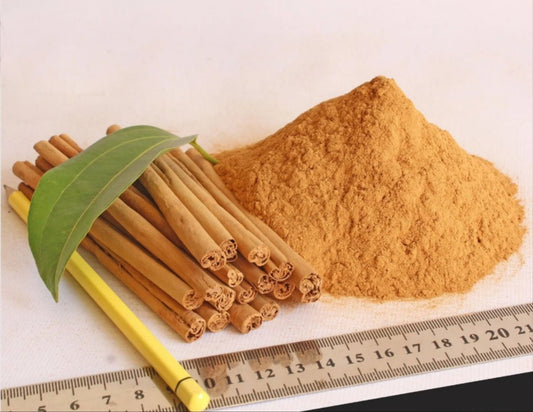
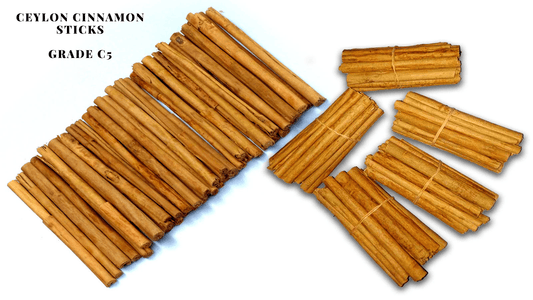
Physical characteristics provide immediate verification of authenticity. Understanding how to identify pure Ceylon cinnamon sticks helps you spot fakes instantly.
Ceylon Cinnamon Stick Characteristics:
- Color: Light tan to medium brown (never dark reddish-brown)
- Texture: Thin, papery layers (0.2-0.5mm thick) that easily crumble
- Structure: Multiple layers rolled together like a cigar
- Brittleness: Breaks apart easily when pressure is applied
- Interior: Filled layers visible when broken (not hollow)
- Aroma: Sweet, delicate fragrance (not harsh or spicy)
Cassia Cinnamon Stick Characteristics:
- Color: Dark reddish-brown to nearly black
- Texture: Thick, hard, woody (2-3mm thick)
- Structure: Single thick layer rolled once
- Hardness: Difficult to break without force
- Interior: Hollow when rolled
- Aroma: Strong, pungent, almost spicy scent
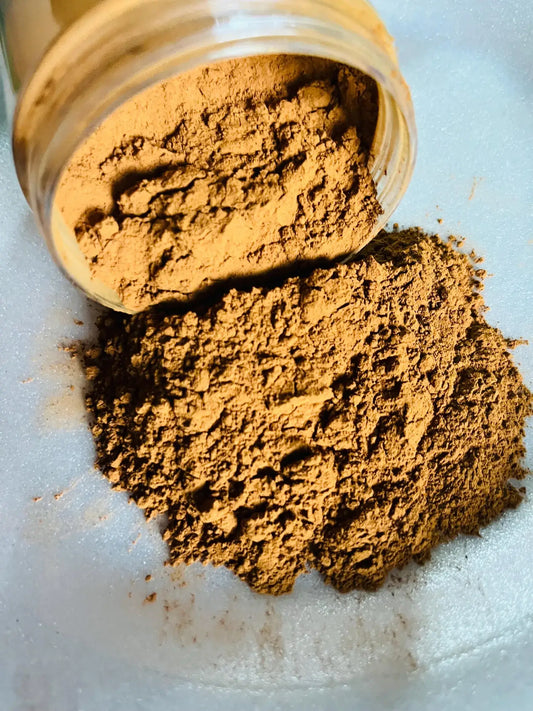
For powder verification, authentic Ceylon cinnamon powder has a lighter color and finer texture than cassia. However, powder is harder to verify, so stick form is recommended for first-time buyers.
Required Certifications
Legitimate Ceylon cinnamon suppliers should provide multiple certifications proving authenticity and quality:
Essential Certifications:
- Sri Lankan Export Development Board (EDB) Certification: Verifies product origin and export compliance
- ISO Certification: Demonstrates quality management standards (ISO 22000 for food safety)
- USDA Organic (if claimed): Validates organic growing practices
- FDA Registration: Required for importers selling to US market
- GMP Certification: Good Manufacturing Practice compliance
- Lab Testing Reports: Third-party verification of coumarin levels
At Ceylon Spice Garden, we provide complete certification documentation with every purchase, including batch-specific lab reports verifying coumarin content below 0.004%.
Understanding Coumarin Levels
Coumarin is a naturally occurring compound that can damage the liver in high doses. Understanding why Ceylon cinnamon is safer for liver than cassia comes down to coumarin content.
Safe Consumption Guidelines
Based on EFSA recommendations for a 70kg (154lb) adult:
- Ceylon Cinnamon: Safe to consume up to 2-4 teaspoons daily
- Cassia Cinnamon: Maximum 1/2 teaspoon daily (health risks above this)
For those using cinnamon for blood sugar control, Ceylon cinnamon is the only safe option for therapeutic doses.
Request lab reports showing coumarin content. Authentic Ceylon cinnamon contains 0.004% or less, while cassia contains 3-8%. A 1,000x difference that significantly impacts your health.
Price as a Quality Indicator
Ceylon cinnamon costs significantly more than cassia due to labor-intensive processing and limited geographic availability. Understanding why alba grade Ceylon cinnamon is worth the premium price helps justify the investment.
2026 Price Ranges (USA Market):
| Grade | Stick Price (per lb) | Powder Price (per lb) | Quality Level |
|---|---|---|---|
| Alba Grade | $35-$45 | $25-$35 | Premium (thinnest bark) |
| Continental Grade | $25-$35 | $18-$28 | High (thin bark) |
| Mexican Grade | $18-$28 | $15-$22 | Good (medium bark) |
| Cassia (for comparison) | $3-$8 | $2-$6 | Not Ceylon |
Shop authentic Ceylon cinnamon sticks and powder with verified certifications and transparent pricing.
How to Verify Sellers
Due to widespread mislabeling, seller verification is critical. Follow this checklist:
Verification Checklist:
- Direct Sri Lankan Connection: Verify the seller has direct relationships with Sri Lankan suppliers or operates from Sri Lanka
- Transparent Sourcing: Company should disclose specific growing regions and processing methods
- Customer Reviews: Look for detailed reviews mentioning authenticity verification, not just taste
- Return Policy: Legitimate sellers offer returns if product fails authenticity testing
- Contact Responsiveness: Test seller knowledge by asking specific questions about grades and certifications
- Business Longevity: Established businesses (3+ years) are more reliable than new sellers
Research the best place to buy Ceylon cinnamon online and read our complete guide to buying organic Ceylon spices in USA.
Red Flags to Avoid
Recognize these warning signs of fake Ceylon cinnamon:
- Vague Origin: Labels stating "Product of Asia" or "Imported" without specifying Sri Lanka
- Mixed Species Claims: Products claiming to be "Ceylon and Cassia blend"
- Suspiciously Low Prices: Under $15/lb for sticks or $12/lb for powder
- No Scientific Name: Missing botanical name on packaging
- Amazon Marketplace Sellers: Learn why most Ceylon cinnamon on Amazon is fake
- Dark Brown Color: Authentic Ceylon is never dark reddish-brown
- No Certifications: Cannot provide export certificates or lab reports
- Thick Sticks: Ceylon cinnamon is never thick and woody
- Made in China/Indonesia: These countries don't grow Ceylon cinnamon
- Generic Branding: No company information or contact details
Where to Buy Authentic Ceylon Cinnamon
Finding reliable sources ensures you receive genuine Ceylon cinnamon:
Recommended Purchasing Options:
1. Direct from Sri Lankan Exporters: Companies like Ceylon Spice Garden that source directly from Sri Lankan farms offer the highest authenticity guarantee. We ship worldwide with complete certification documentation.
2. Specialty Spice Retailers: Established spice companies with transparent sourcing and certification. Check our list of fair trade Ceylon spice companies to support.
3. Verified Online Marketplaces: Look for sellers on platforms that verify certifications and have money-back guarantees.
4. Local Sri Lankan Stores: Authentic Sri Lankan grocery stores often carry genuine Ceylon cinnamon from trusted suppliers.
Region-Specific Buying Guides:
- Where to buy authentic Ceylon cinnamon sticks in USA
- Where to buy authentic Ceylon spices in UK
- Buy cinnamon online in Florida
- Buy Ceylon spices shipped to Canada
- Ceylon cinnamon delivery to Australia
Our Authenticity Guarantee
Ceylon Spice Garden offers:
- 100% Money-Back Guarantee if product fails third-party authenticity testing
- Complete certification documentation with every order
- Batch-specific coumarin lab reports (verified under 0.004%)
- Direct farm-to-customer traceability
- Free authenticity verification guide with purchase
Shop with confidence at Ceylon Spice Garden.
Final Recommendations
Buying authentic Ceylon cinnamon online requires careful verification, but the health benefits justify the effort. Always check the scientific name (Cinnamomum verum), verify Sri Lankan origin, examine visual characteristics, review certifications, and choose established sellers with transparent sourcing.
For guaranteed authenticity, purchase from direct Sri Lankan exporters like Ceylon Spice Garden who provide complete documentation and stand behind their products with money-back guarantees.
Frequently Asked Questions
Real Ceylon cinnamon has thin, brittle, multi-layered sticks (0.2-0.5mm thick) with a light tan color. Check for the scientific name "Cinnamomum verum" and "Product of Sri Lanka" on the label. Authentic Ceylon cinnamon breaks easily and has a sweet, delicate aroma. If the sticks are thick, dark reddish-brown, and hard to break, you have cassia cinnamon.
Yes. Ceylon cinnamon contains 7,000-12,000 times less coumarin than cassia cinnamon, making it safe for daily consumption in therapeutic doses. If you use cinnamon regularly for health benefits (blood sugar control, anti-inflammatory effects), the extra cost protects your liver from coumarin toxicity. For occasional culinary use, the price difference is minimal per serving.
Purchase from direct Sri Lankan exporters like Ceylon Spice Garden for guaranteed authenticity with complete certification documentation. Avoid Amazon marketplace sellers due to widespread mislabeling. Look for sellers who provide Sri Lankan Export Development Board certification, lab reports showing coumarin content under 0.01%, and money-back authenticity guarantees.
Look for Sri Lankan Export Development Board (EDB) certification, ISO 22000 for food safety, USDA Organic (if claimed organic), FDA registration for US imports, and third-party lab reports verifying coumarin content below 0.004%. Legitimate suppliers provide these certifications upon request. Missing certifications are a major red flag.
No. True Ceylon cinnamon (Cinnamomum verum) only grows in Sri Lanka. The name "Ceylon" is the historical name for Sri Lanka. Any product labeled "Ceylon cinnamon" from China, Indonesia, Vietnam, or India is mislabeled cassia cinnamon. These countries exclusively produce cassia varieties, not Ceylon cinnamon.
Adults can safely consume 2-4 teaspoons of Ceylon cinnamon daily due to its extremely low coumarin content (0.004%). In contrast, cassia cinnamon should be limited to 1/2 teaspoon daily maximum. For therapeutic use targeting blood sugar or inflammation, Ceylon cinnamon is the only safe option for doses of 1-2 teaspoons daily.
Ceylon cinnamon sticks are easier to verify for authenticity through visual inspection. Powder can be adulterated or mislabeled without detection. However, powder is more convenient for cooking and baking. If buying powder, choose sellers who provide batch-specific lab reports and have strong authenticity guarantees. For first-time buyers, start with sticks to verify quality. Learn more about Ceylon cinnamon powder vs sticks.
Amazon's marketplace structure allows third-party sellers to list products without rigorous verification. Many sellers mislabel cheap cassia cinnamon as "Ceylon" to command higher prices. Amazon doesn't require sellers to provide origin certificates or lab testing. Studies show over 80% of "Ceylon cinnamon" on Amazon is actually cassia. Read our detailed investigation on why most Ceylon cinnamon on Amazon is fake.
Alba grade is the highest quality Ceylon cinnamon, made from the thinnest inner bark (6mm diameter or less). It has the most delicate flavor, lightest color, and finest texture. Alba grade comes from young cinnamon shoots and requires expert peeling skills. It costs $35-45 per pound but offers superior taste and aroma. Learn more about Ceylon cinnamon Alba grade.
Yes, Ceylon cinnamon works excellently for baking and provides a more refined, sweet flavor than cassia. Use it in cinnamon rolls, cookies, cakes, and pastries. Because of its delicate flavor, you may want to use slightly more than cassia recipes call for. Ceylon cinnamon also doesn't overpower other flavors. Read our guide on baking with Ceylon cinnamon.
Store Ceylon cinnamon sticks in an airtight container in a cool, dark place. Properly stored sticks maintain potency for 2-3 years. Powder should be stored the same way but loses potency after 6-12 months. Avoid storing near heat sources or in direct sunlight. Don't refrigerate as moisture can damage quality. Check our complete guide on storing Ceylon cinnamon sticks long-term.
Yes, Ceylon cinnamon is completely legal to import and sell in the USA. It's classified as a food spice by the FDA and requires no special permits for personal use. Commercial importers need FDA registration and must comply with food safety regulations. There are no restrictions on Ceylon cinnamon quantity for personal consumption. Learn more about Ceylon cinnamon legality in USA.
Ceylon cinnamon helps regulate blood sugar levels, reduces inflammation, supports heart health by lowering cholesterol, provides powerful antioxidants, may improve insulin sensitivity, supports digestive health, and has antimicrobial properties. Unlike cassia, it's safe for daily therapeutic use. Read about the 12 science-backed health benefits of Ceylon cinnamon.
Most grocery store "cinnamon" is cassia, even if labeled as "Ceylon." Major brands like McCormick typically sell cassia. Always check the scientific name and country of origin on the label. If it doesn't specifically say "Cinnamomum verum" and "Product of Sri Lanka," assume it's cassia. Specialty health food stores are more likely to carry authentic Ceylon cinnamon with proper labeling.
Ceylon cinnamon sticks last 2-3 years when properly stored in airtight containers away from heat and light. Ceylon cinnamon powder maintains peak flavor for 6-12 months but remains safe to use for up to 2 years. The spice won't spoil but gradually loses aromatic compounds and flavor intensity. Buy smaller quantities if using powder to ensure maximum freshness and potency.
Related Resources
Learn More About Ceylon Cinnamon:
- Ceylon cinnamon vs cassia health benefits guide
- 7 critical mistakes people make when buying cinnamon
- Why doctors prefer Ceylon cinnamon over cassia
- Ceylon cinnamon sticks buying guide
- How to use Ceylon cinnamon sticks: 9 great ways
- Ceylon cinnamon benefits for diabetes management
- Why Ceylon cinnamon is called 'true cinnamon'
Shop Authentic Ceylon Spices:
Start Your Ceylon Cinnamon Journey Today
Experience the difference of authentic Ceylon cinnamon from Sri Lanka's finest spice gardens.
Shop Ceylon Cinnamon Now✓ 100% Money-Back Guarantee | ✓ Free Shipping Over $50 | ✓ Lab-Tested Authenticity