Why Doctors Prefer Ceylon Cinnamon Over Cassia - Ceylon Spice Garden
Why Doctors Prefer Ceylon Cinnamon Over Cassia
TL;DR - Quick Takeaways
- Ceylon cinnamon contains 250 times less coumarin than Cassia, making it the safer choice for daily use
- Healthcare professionals recommend Ceylon for patients with liver concerns or those using cinnamon therapeutically
- Cassia's high coumarin content (0.4-0.8%) can cause liver damage with regular consumption
- Ceylon offers superior antioxidant benefits and a safer profile for blood sugar management
- Most U.S. grocery store cinnamon is Cassia—always check labels for "Ceylon" or "Cinnamomum verum"
Table of Contents
When healthcare professionals discuss cinnamon supplementation with patients, they consistently recommend one variety over another. Ceylon cinnamon, often called "true cinnamon," has become the preferred choice among doctors, nutritionists, and medical researchers. The reason is straightforward: safety.
While both Ceylon and Cassia cinnamon offer health benefits, the critical difference lies in a compound called coumarin. This naturally occurring substance, when consumed in excess, poses risks that healthcare providers cannot ignore. For patients seeking cinnamon's therapeutic benefits, understanding this distinction could mean the difference between health improvement and potential harm.
Understanding the Two Types of Cinnamon
Most consumers don't realize they're purchasing one of two distinct cinnamon varieties when they reach for that familiar brown bottle in the spice aisle. The difference between these varieties extends far beyond taste.
Ceylon Cinnamon (Cinnamomum verum)
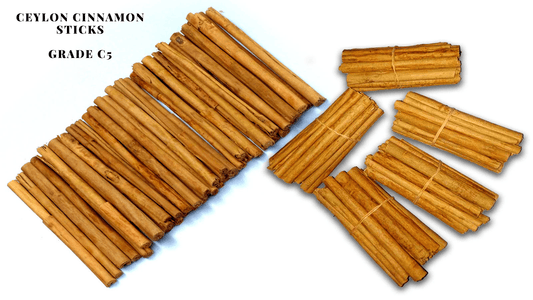
Ceylon cinnamon grows primarily in Sri Lanka and is cultivated from the inner bark of the Cinnamomum verum tree. Its delicate, sweet flavor profile and lighter tan color make it distinctive. The bark forms thin, multiple layers that look like parchment paper when rolled into sticks. This "true cinnamon" commands a premium price due to its limited growing regions and labor-intensive harvesting process.
Cassia Cinnamon (Cinnamomum cassia)
Cassia cinnamon originates from China and Southeast Asia. It accounts for approximately 95% of cinnamon sold in North American supermarkets. Its robust, spicy flavor comes from higher concentrations of cinnamaldehyde. Cassia sticks are thicker, darker, and consist of a single rolled layer. While more affordable and widely available, this variety carries health considerations that medical professionals take seriously.
| Characteristic | Ceylon Cinnamon | Cassia Cinnamon |
|---|---|---|
| Coumarin Content | 0.004% (trace amounts) | 0.4-0.8% (high levels) |
| Origin | Sri Lanka, India | China, Southeast Asia |
| Color | Light tan-brown | Dark reddish-brown |
| Flavor Profile | Delicate, sweet, subtle | Strong, spicy, intense |
| Price Point | Premium ($$$) | Budget-friendly ($) |
| Medical Safety | Safe for daily use | Limited use recommended |
The Coumarin Concern: Why It Matters
Coumarin is a natural compound that gives Cassia cinnamon its characteristic vanilla-like aroma. While it occurs naturally in many plants, the concentration in Cassia cinnamon raises red flags for medical professionals.
The Science Behind Coumarin Toxicity
Research from the European Food Safety Authority established a tolerable daily intake (TDI) of coumarin at 0.1 mg per kilogram of body weight. For a 150-pound adult, this translates to approximately 6.8 mg daily.
Here's where the math becomes concerning: just half a teaspoon of Cassia cinnamon can exceed this limit. In contrast, you would need to consume over 112 teaspoons of Ceylon cinnamon to reach the same threshold—an amount physically impossible to ingest.
The German Federal Institute for Risk Assessment has documented that regular Cassia consumers, particularly those who use cinnamon daily in smoothies, baked goods, or supplements, often unknowingly exceed safe coumarin levels. This chronic exposure can stress the liver, an organ responsible for processing countless substances our bodies encounter.
Who Is Most at Risk?
Healthcare providers identify several groups who should be particularly cautious about Cassia cinnamon consumption:
- Individuals with liver conditions or those taking hepatotoxic medications
- People taking blood-thinning medications such as warfarin or aspirin
- Daily cinnamon supplement users seeking therapeutic doses
- Pregnant or breastfeeding women concerned about fetal development
- Children and adolescents with smaller body weights
- Anyone preparing for surgery due to blood-thinning effects
Medical Perspective: Why Doctors Choose Ceylon
The medical community's preference for Ceylon cinnamon stems from both clinical evidence and precautionary principles. When doctors recommend cinnamon for its potential therapeutic benefits, they must weigh efficacy against safety.
Clinical Safety Profile
A 2012 review published in Diabetic Medicine examined 16 studies specifically on Ceylon cinnamon. The research found beneficial effects for diabetic patients without any toxicity to the liver or kidneys. This safety profile allows healthcare providers to recommend Ceylon cinnamon with confidence, even for long-term therapeutic use.
Research published in the Journal of Traditional and Complementary Medicine confirmed that Ceylon cinnamon's ultra-low coumarin content (0.004%) makes it safe for regular consumption. A three-month clinical trial showed no significant changes in liver enzymes, even at therapeutic doses. This data provides the evidence base doctors need when counseling patients.
Therapeutic Applications
Medical professionals recommend Ceylon cinnamon for several evidence-based applications:
- Blood Sugar Management: Studies from the American Diabetes Association suggest Ceylon cinnamon may improve insulin sensitivity. A randomized clinical trial demonstrated that 1 gram of Ceylon cinnamon extract reduced blood glucose curves by approximately 21% over 60 minutes.
- Cardiovascular Support: Research indicates Ceylon cinnamon may help maintain healthy cholesterol levels and blood pressure. Its cinnamaldehyde content helps dilate blood vessels, supporting circulation.
- Anti-Inflammatory Benefits: The polyphenol content in Ceylon cinnamon provides antioxidant effects that combat oxidative stress. Studies show it can reduce inflammatory markers like C-reactive protein.
- Cognitive Function: Preliminary research suggests Ceylon cinnamon may support memory and cognitive health, though more human studies are needed.
Health Benefits Backed by Research
The therapeutic potential of Ceylon cinnamon extends across multiple body systems. Unlike pharmaceutical interventions, cinnamon offers a food-based approach to health support, which appeals to both practitioners and patients seeking natural options.
Metabolic Health
For individuals managing metabolic conditions, Ceylon cinnamon offers a supportive role. Research indicates it may help stabilize blood sugar levels by improving the body's natural insulin response. This doesn't replace diabetes medication, but it can complement existing treatment plans under medical supervision.
A meta-analysis published in the Journal of the Academy of Nutrition and Dietetics found that cinnamon supplementation reduced fasting blood glucose by an average of 24.6 mg/dL in people with type 2 diabetes. However, the American Diabetes Association notes that cinnamon supplements should never replace prescribed diabetes medications.
Antioxidant Protection
Ceylon cinnamon contains powerful antioxidants, particularly proanthocyanidins, which help neutralize free radicals in the body. These compounds support cellular health and may reduce the risk of chronic diseases associated with oxidative stress. The antioxidant capacity of cinnamon is so significant that it can even serve as a natural food preservative.
Important Medical Disclaimer: While Ceylon cinnamon shows promise in various health applications, it should not replace professional medical advice or prescribed treatments. Always consult your healthcare provider before using cinnamon therapeutically, especially if you have existing health conditions or take medications.
Cardiovascular Benefits
Studies suggest both cinnamon varieties may support heart health, but Ceylon's safety profile makes it the better choice for long-term cardiovascular support. Research indicates Ceylon cinnamon may help maintain healthy LDL cholesterol levels while preserving beneficial HDL cholesterol. Its anti-clotting properties may support circulation, though this requires monitoring for those on blood-thinning medications.
Safety Guidelines and Consumption Limits
Understanding appropriate dosing is important for anyone using cinnamon beyond occasional culinary applications. The guidelines differ significantly between Ceylon and Cassia varieties.
Recommended Daily Amounts
Healthcare professionals typically suggest the following:
- Ceylon Cinnamon: 1-6 grams daily for therapeutic purposes. For everyday culinary use, up to 1 teaspoon per day is considered safe for most adults.
- Cassia Cinnamon: Limit to less than 1/2 teaspoon daily for adults. For children, healthcare providers often recommend avoiding Cassia altogether in favor of Ceylon.
Special Considerations
Pregnancy and Breastfeeding: Small culinary amounts of cinnamon in food are safe during pregnancy. However, healthcare providers advise against cinnamon supplements during pregnancy and breastfeeding due to insufficient safety data.
Medication Interactions: Ceylon cinnamon may interact with blood-thinning medications, diabetes drugs, and certain antibiotics. Inform your doctor about all supplements you take.
Surgical Procedures: Due to potential blood-thinning effects, discontinue cinnamon supplements at least two weeks before scheduled surgery.
Quality and Purity Matters
Not all Ceylon cinnamon products are created equal. Some considerations include:
- Source verification: Authentic Ceylon cinnamon comes from Sri Lanka
- Lead contamination: Some imported spices contain concerning lead levels. Choose reputable suppliers who test for heavy metals
- Supplement quality: The FDA does not regulate supplements for safety or efficacy before sale. Select brands that undergo third-party testing
How to Identify and Purchase Ceylon Cinnamon
Given that most store-bought cinnamon in the U.S. is Cassia, knowing how to identify and source authentic Ceylon cinnamon is valuable.
Visual Identification
When examining whole cinnamon sticks:
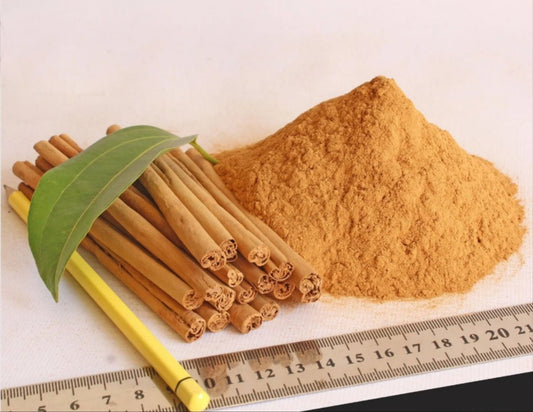
- Ceylon sticks are lighter brown, thinner, and composed of multiple soft layers that roll easily. They look delicate and papery.
- Cassia sticks are darker, thicker, harder, and typically consist of one or two thick pieces. They're more robust and difficult to break.
Label Reading
Look for these indicators on product labels:
- The words "Ceylon" or "Cinnamomum verum"
- Country of origin: Sri Lanka (sometimes listed as Ceylon)
- Avoid products that simply say "cinnamon" without specifying variety
Where to Buy
While Cassia dominates conventional supermarkets, you can find authentic Ceylon cinnamon through:
- Specialty spice shops that focus on quality and sourcing
- Health food stores that cater to informed consumers
- Direct-from-source suppliers like Ceylon Spice Garden, who source directly from Sri Lankan growers
- Online retailers specializing in authentic spices
When purchasing Ceylon cinnamon powder, freshness matters. Ground spices lose potency over time. Buy smaller quantities more frequently, and store in an airtight container in a cool, dark place. Premium Ceylon cinnamon powder should smell sweet and fragrant—if the aroma has faded, it's time to replace it.
Making the Smart Choice for Your Health
The medical community's preference for Ceylon cinnamon over Cassia is rooted in solid scientific evidence and clinical experience. While Cassia cinnamon offers benefits when used occasionally in small amounts, Ceylon cinnamon provides the same therapeutic potential without the coumarin-related risks.
For anyone using cinnamon daily, taking supplements, or seeking therapeutic doses, Ceylon cinnamon is the clear choice. Healthcare professionals consistently recommend it for patients because its safety profile allows for long-term use without liver concerns.
Whether you're managing blood sugar levels, supporting cardiovascular health, or simply enjoying this ancient spice in your daily routine, choosing Ceylon cinnamon means choosing both effectiveness and safety. It's an investment in your health that doctors worldwide support.
At Ceylon Spice Garden, we've sourced authentic Ceylon cinnamon directly from Sri Lankan growers since 2010. Our commitment to quality ensures you receive genuine Ceylon cinnamon with all its natural benefits and none of the coumarin concerns. Every product meets rigorous quality standards for purity, potency, and authenticity.
Frequently Asked Questions
Healthcare professionals generally recommend 1-6 grams of Ceylon cinnamon daily for therapeutic purposes. For everyday culinary use, up to 1 teaspoon per day is considered safe for most adults. Always consult your doctor before starting any supplement regimen, especially if you have existing health conditions or take medications.
Yes, but keep in mind that Ceylon has a milder, sweeter flavor compared to Cassia's stronger, spicier taste. You may need to use slightly more Ceylon cinnamon (approximately 1.5 times the amount) to achieve the same flavor intensity in your recipes. For delicate dishes like custards, rice pudding, or Ceylon tea, the gentler flavor of Ceylon cinnamon shines. For bold recipes like pumpkin pie or cinnamon rolls, you might want to use a bit more.
Coumarin can cause liver damage when consumed in large amounts over extended periods. Cassia cinnamon contains 0.4-0.8% coumarin, while Ceylon contains only 0.004%, making it 250 times safer for regular consumption. The European Food Safety Authority set a tolerable daily intake limit of 0.1 mg per kilogram of body weight because repeated high doses can overwhelm the liver's detoxification pathways. People with liver conditions or those taking hepatotoxic medications should be particularly cautious about coumarin exposure from any source.
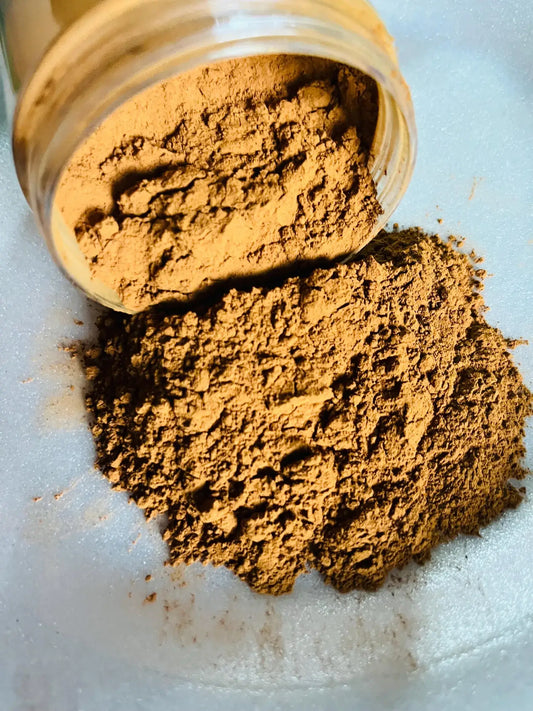
Ceylon cinnamon sticks are lighter brown, thinner, and made of multiple layers that look like rolled paper. They're soft and easy to break. Cassia sticks are darker reddish-brown, thicker, and typically consist of a single thick layer. They're harder and more difficult to grind. In powder form, Ceylon is lighter tan with a delicate, sweet aroma, while Cassia is darker reddish-brown with a stronger, spicier scent. When in doubt, check the label for "Ceylon" or "Cinnamomum verum" and the country of origin—authentic Ceylon comes from Sri Lanka.
Both forms offer benefits, but whole spice or freshly ground Ceylon cinnamon provides the most authentic experience and often better bioavailability of active compounds. If choosing supplements, consult your healthcare provider first and ensure the product is certified Ceylon cinnamon from a reputable source that conducts third-party testing. Regular culinary use—adding cinnamon to oatmeal, smoothies, coffee, or baked goods—is generally sufficient for most people's needs and integrates naturally into your diet.
While Ceylon cinnamon may support healthy metabolism and blood sugar regulation, it's not a weight loss solution by itself. Some research suggests it may help reduce blood sugar spikes after meals, which can support weight management as part of a balanced diet and exercise plan. However, no spice can replace healthy lifestyle habits. If you're considering cinnamon for metabolic support, speak with a healthcare provider or registered dietitian about incorporating it into a comprehensive wellness strategy.
Organic Ceylon cinnamon ensures no synthetic pesticides or fertilizers were used during cultivation, which some consumers prefer. However, the most important factors are authenticity (ensuring it's genuine Ceylon), freshness, and proper storage. Whether organic or conventional, choose reputable suppliers who test for contaminants like heavy metals and who can verify the cinnamon's origin. Many high-quality Ceylon cinnamon producers in Sri Lanka use traditional, sustainable farming methods even without formal organic certification.
Ceylon cinnamon can interact with certain medications, particularly blood thinners (like warfarin), diabetes medications, and some antibiotics. It may enhance the effects of blood-thinning medications, increasing bleeding risk. For diabetes medications, cinnamon's blood-sugar-lowering effects could cause hypoglycemia when combined with pharmaceutical interventions. Always inform your healthcare provider about all supplements and spices you use regularly, especially before starting new medications or preparing for surgery. Your doctor can advise whether Ceylon cinnamon is appropriate for your specific situation.
Authentic Ceylon cinnamon is available through specialty spice retailers, health food stores, and direct-from-source suppliers. Ceylon Spice Garden offers certified Ceylon cinnamon sourced directly from Sri Lankan growers. Look for products labeled "Ceylon" or "Cinnamomum verum" with Sri Lanka listed as the country of origin. Avoid products that simply say "cinnamon" without specifying the variety, as these are typically Cassia. Online retailers specializing in premium spices often carry authentic Ceylon cinnamon, but always verify the seller's reputation and product certifications.
Whole Ceylon cinnamon sticks maintain their potency for 2-3 years when stored properly in an airtight container in a cool, dark place. Ground Ceylon cinnamon powder stays fresh for 6-12 months under the same conditions. You'll know it's losing potency when the aroma becomes faint or disappears. For maximum freshness and flavor, buy smaller quantities more frequently and grind whole sticks as needed. Exposure to light, heat, and air accelerates the degradation of aromatic compounds, so proper storage is key to maintaining quality.
Ceylon cinnamon is safe for children in normal culinary amounts found in foods like oatmeal, baked goods, and beverages. However, cinnamon supplements are not recommended for children without pediatric guidance. Because children have smaller body weights, they're more susceptible to excessive coumarin exposure from Cassia cinnamon. For children's consumption, Ceylon is always the safer choice. As with adults, moderation is key—typical culinary use (a sprinkle on breakfast or in baking) is perfectly safe, but avoid giving children concentrated cinnamon supplements without consulting a pediatrician.
Yes, Ceylon cinnamon has a noticeably different flavor profile than Cassia. Ceylon is milder, sweeter, and more delicate with subtle citrus notes, while Cassia is stronger, spicier, and more intense. In delicate recipes like custards, rice pudding, or Ceylon tea, the gentler flavor of Ceylon cinnamon shines. For bold dishes like pumpkin pie or cinnamon rolls where you want a pronounced spice flavor, you may need to use 1.5 times the amount of Ceylon to match Cassia's intensity. Many people actually prefer Ceylon's sophisticated, nuanced flavor once they try it.
References: This article is based on research from peer-reviewed journals and authoritative health organizations including the European Food Safety Authority, American Diabetes Association, Journal of Traditional and Complementary Medicine, and clinical studies on cinnamon consumption. For specific medical advice, always consult qualified healthcare professionals.