Ceylon Cinnamon Benefits: 12 Science-Backed Health Effects | Ceylon Spice Garden
Ceylon Cinnamon Benefits: 12 Science-Backed Health Effects
TL;DR — Key Findings
- Blood sugar: Up to 10.3% reduction in fasting glucose within 8 weeks (clinical trial, 3g/day)
- Heart health: Reduces total cholesterol 7–27%, LDL 9–31%, triglycerides 23–30%
- Inflammation: 25% reduction in CRP levels in 12 weeks
- Brain: Crosses blood-brain barrier; may slow Alzheimer's progression
- Safe for daily use: Ceylon has 250× less coumarin than Cassia — the only cinnamon safe for long-term consumption
- Effective dose: 1–6g daily depending on health goal. Start with 0.5–1g and increase.
Table of Contents
- Why Ceylon Cinnamon? (Ceylon vs Cassia)
- 1. Blood Sugar Regulation & Diabetes Support
- 2. Cardiovascular Health Protection
- 3. Anti-Inflammatory Effects
- 4. Powerful Antioxidant Properties
- 5. Brain Health & Cognitive Function
- 6. Digestive Health Support
- 7. Immune System Enhancement
- 8. Weight Management Support
- 9. Natural Antimicrobial Properties
- 10. Liver Protection & Detoxification
- 11. Skin Health & Anti-Aging
- 12. Respiratory Health Benefits
- Research-Based Dosage Recommendations
- Safety & Contraindications
- Frequently Asked Questions
Why Ceylon Cinnamon? (Ceylon vs Cassia)
Before diving into the benefits, this distinction is critical — and most articles skip it:
| Factor | Ceylon Cinnamon (C. verum) | Cassia Cinnamon (C. cassia) |
|---|---|---|
| Coumarin content | 0.004% (negligible) | 1% (250× more) |
| Daily use safety | Safe for long-term daily use | Risk of liver damage at therapeutic doses |
| Origin | Sri Lanka (95% of world supply) | China, Indonesia, Vietnam |
| Flavor | Complex, subtle, naturally sweet | Strong, spicy, one-dimensional |
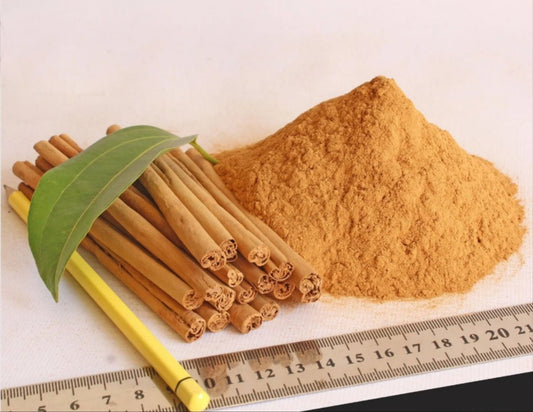
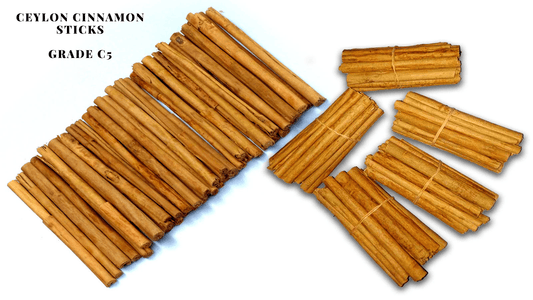
| Appearance (sticks) | Multiple thin, papery layers (cigar-like) | Thick, single-layer bark roll |
| Price | Higher — reflects quality and safety | Cheap — 90% of global cinnamon market |
| Research relevance | The type used in the best clinical trials | Many older studies used Cassia without specifying |
Why this matters for your health
The European Food Safety Authority (EFSA) limits daily coumarin intake to 0.1mg per kg of body weight. For a 70kg adult, that's 7mg. One teaspoon of Cassia cinnamon contains 7–18mg of coumarin — potentially exceeding the safe daily limit in a single serving. One teaspoon of Ceylon cinnamon contains approximately 0.02mg — 350× below the limit. This is why every benefit below assumes Ceylon cinnamon, not Cassia.
1 Blood Sugar Regulation & Diabetes Support
Ceylon cinnamon's most well-documented benefit is its significant improvement in blood glucose control, making it particularly valuable for people with type 2 diabetes and prediabetes.
Multiple clinical studies demonstrate Ceylon cinnamon's ability to improve insulin sensitivity and reduce blood sugar levels. The active compounds — cinnamaldehyde and procyanidin type-A polymers — mimic insulin activity and enhance glucose metabolism at the cellular level.
Clinical Trial (2013): Participants taking 3 grams of Ceylon cinnamon daily showed a 10.3% reduction in fasting blood glucose after 8 weeks.
Source: International Journal of Preventive Medicine, 2013
Systematic Review (2019): Analysis of 18 studies concluded that Ceylon cinnamon supplementation significantly reduces fasting blood glucose, with effects becoming apparent within 4–16 weeks of consistent use. The mechanism involves enhanced insulin receptor sensitivity and improved glucose uptake by muscle cells.
Source: Journal of Evidence-Based Integrative Medicine, 2019
For targeted blood sugar support, combine Ceylon cinnamon herbal tea after meals with Ceylon cinnamon powder added to morning smoothies or oatmeal. The Thebu (Insulin Plant) Tea also pairs well for comprehensive blood sugar management.
2 Cardiovascular Health Protection
Ceylon cinnamon provides comprehensive cardiovascular protection through multiple mechanisms that support heart health and reduce disease risk factors:
| Cardiovascular Marker | Reduction Range | Timeframe |
|---|---|---|
| Total cholesterol | 7–27% | 6–12 weeks |
| LDL ("bad") cholesterol | 9–31% | 6–12 weeks |
| Triglycerides | 23–30% | 6–12 weeks |
| Systolic blood pressure | 5.4 mmHg average | With 1.5g daily |
| Diastolic blood pressure | 2.6 mmHg average | With 1.5g daily |
Meta-Analysis (2020): Analysis of 13 randomized controlled trials found that Ceylon cinnamon supplementation (1–6g daily) significantly improved all major cardiovascular risk markers within 6–12 weeks.
Source: Nutrition Research, 2020
Blood Pressure Trial (2021): Ceylon cinnamon consumption (1.5g daily) reduced systolic blood pressure by 5.4 mmHg and diastolic pressure by 2.6 mmHg in adults with metabolic syndrome.
Source: European Journal of Clinical Nutrition, 2021
For comprehensive heart health support, consider pairing Ceylon cinnamon with lemongrass tea, which provides complementary cholesterol-lowering action through HMG-CoA reductase inhibition — the same enzyme targeted by statin drugs. A golden milk latte with Ceylon cinnamon and turmeric is another excellent daily cardiovascular protocol.
3 Anti-Inflammatory Effects
Chronic inflammation underlies most serious health conditions — heart disease, diabetes, cancer, Alzheimer's, and autoimmune disorders. Ceylon cinnamon contains high levels of cinnamaldehyde and eugenol, compounds that inhibit inflammatory pathways including NF-κB and cyclooxygenase-2 (COX-2).
Clinical Trial (2018): Participants consuming 2 grams of Ceylon cinnamon daily for 12 weeks experienced a 25% reduction in C-reactive protein (CRP) levels and significant decreases in interleukin-6 (IL-6) compared to placebo.
Source: Molecular Nutrition & Food Research, 2018
The anti-inflammatory effect is particularly relevant when combined with other anti-inflammatory herbs — soursop leaf tea provides complementary anti-inflammatory action through different pathways (acetogenin-mediated), creating broader inflammatory control than either herb alone.
4 Powerful Antioxidant Properties
Ceylon cinnamon ranks among the highest antioxidant-containing foods, with an ORAC (Oxygen Radical Absorbance Capacity) value exceeding most fruits and vegetables.
| Antioxidant Compound | Function |
|---|---|
| Proanthocyanidins | Protect cardiovascular system, strengthen blood vessels |
| Cinnamaldehyde | Prevents lipid oxidation, protects cell membranes |
| Epicatechin | Supports brain health — same compound found in dark chocolate |
| Rutin | Strengthens blood vessels, reduces bruising, supports circulation |
Laboratory studies demonstrate that Ceylon cinnamon extract neutralizes harmful free radicals effectively while supporting the body's natural antioxidant enzyme systems (SOD, catalase, glutathione). For maximum antioxidant coverage, pair with Amla (Indian Gooseberry) tea — one of the richest natural sources of vitamin C.
5 Brain Health & Cognitive Function
Emerging research reveals significant neuroprotective properties in Ceylon cinnamon, including protection against neurodegenerative diseases and cognitive enhancement.
Neuroprotection Study (2020): Ceylon cinnamon compounds cross the blood-brain barrier and provide neuroprotective effects, potentially slowing Alzheimer's progression by preventing tau protein aggregation — one of the hallmark mechanisms of the disease.
Source: Journal of Neuroimmune Pharmacology, 2020
The active compounds support brain health through multiple mechanisms:
- Improved cerebral blood flow — more oxygen and nutrients to brain tissue
- Reduced neuroinflammation — inflammation in the brain accelerates cognitive decline
- Enhanced neurotransmitter function — supports memory formation and recall
- Tau protein inhibition — may slow Alzheimer's disease progression
For comprehensive brain support, combine Ceylon cinnamon with Gotu Kola tea — a traditional nootropic that supports BDNF (brain-derived neurotrophic factor) production — and Butterfly Pea Flower tea, which provides anthocyanins that support cognitive function and eye health.
6 Digestive Health Support
Traditional medicine has long recognized Ceylon cinnamon's digestive benefits, and modern research confirms its ability to support gastrointestinal health:
- Reduces bloating and gas through carminative action
- Supports healthy gut bacteria (prebiotic properties)
- Alleviates digestive discomfort and cramping
- Enhances nutrient absorption from food
- Controls harmful bacteria without disrupting beneficial flora
A cup of Ceylon cinnamon herbal tea after meals is the traditional approach — the warm liquid itself aids digestion while cinnamaldehyde provides antimicrobial and antispasmodic effects. For additional digestive support, lemongrass tea pairs excellently, particularly for bloating.
7 Immune System Enhancement
Regular consumption of Ceylon cinnamon supports immune function through its rich concentration of immune-enhancing compounds and broad-spectrum antimicrobial properties.
Immune Function Research (2019): Ceylon cinnamon extract enhances immune cell activity and increases protective antibody production, helping the body defend against infections more effectively.
Source: Food & Function, 2019
The immune-boosting effect is amplified when Ceylon cinnamon is combined with other immune-supporting herbs. Try a daily rotation: Ceylon cinnamon tea after meals, soursop leaf tea in the evening for immune cell modulation, and moringa leaf tea in the morning for nutritional immune support.
8 Weight Management Support
Ceylon cinnamon supports healthy weight management through improved insulin sensitivity and enhanced fat metabolism. When insulin works efficiently, your body stores less fat and burns more energy from food.
Weight Management Study: A 12-week trial found participants taking Ceylon cinnamon extract showed greater reductions in waist circumference and body fat percentage compared to the control group, while maintaining lean muscle mass.
The mechanism is straightforward: better insulin sensitivity → less fat storage → improved metabolic rate → gradual body composition improvement. For an enhanced metabolic approach, combine Ceylon cinnamon with the Advanced Metabolism Support Tea or the Fat Burn Metabolism Support Tea for multiple metabolic pathways.
9 Natural Antimicrobial Properties
Ceylon cinnamon demonstrates broad-spectrum antimicrobial activity against bacteria, fungi, and viruses. The essential oils — particularly cinnamaldehyde and eugenol — show effectiveness against common pathogens including:
- E. coli — common cause of food poisoning and UTIs
- Candida albicans — the fungus responsible for yeast infections
- Various respiratory viruses — including influenza strains
- Staphylococcus aureus — including some antibiotic-resistant strains
- Listeria — foodborne pathogen
This antimicrobial action is one reason cinnamon has been used as a food preservative for thousands of years — it actively inhibits bacterial growth in food and in the digestive tract.
10 Liver Protection & Detoxification
This is where Ceylon vs Cassia matters most
Cassia cinnamon's high coumarin content (1%) actually stresses the liver at therapeutic doses — the opposite of what you want. Ceylon cinnamon's negligible coumarin (0.004%) provides liver protection instead of liver stress. If you're taking cinnamon daily for any health benefit, this distinction is non-negotiable.
Liver Protection Research (2020): Ceylon cinnamon's antioxidants protect liver cells from oxidative damage while supporting the organ's natural detoxification pathways (Phase I and Phase II detox enzymes).
Source: Hepatology Research, 2020
For comprehensive liver and detox support, combine Ceylon cinnamon with Amla detox tea (liver-supporting vitamin C and gallic acid) and Iramusu tea (traditional Ayurvedic blood purifier and liver tonic).
11 Skin Health & Anti-Aging
The antioxidant and anti-inflammatory properties of Ceylon cinnamon support skin health from within:
- Collagen protection — antioxidants prevent collagen breakdown from free radical damage
- Improved circulation — better blood flow delivers more nutrients to skin tissue
- Anti-inflammatory — reduces redness and inflammation associated with various skin conditions
- Antimicrobial — cinnamaldehyde provides natural antibacterial action relevant to acne
- Blood sugar control — high blood sugar accelerates glycation (skin aging). Cinnamon's glucose regulation helps prevent this.
Internal consumption provides the most comprehensive skin benefits. Add Ceylon cinnamon powder to your morning routine — in smoothies, oatmeal, or a golden milk latte — for daily skin-supporting antioxidant intake.
12 Respiratory Health Benefits
Traditional use of Ceylon cinnamon for respiratory issues is supported by research showing its anti-inflammatory and antimicrobial properties help with respiratory infections and airway inflammation.
- Antimicrobial action against respiratory pathogens reduces infection severity
- Anti-inflammatory compounds reduce airway inflammation and congestion
- Warming properties help clear mucus and support healthy breathing
- Essential oil vapors from hot cinnamon tea provide mild decongestant effects
For respiratory support, brew Ceylon cinnamon herbal tea with honey and lemon — or try the Masala Chai blend, which combines cinnamon with ginger, black pepper, and cloves for enhanced warming and decongestant effects.
Research-Based Dosage Recommendations
| Health Goal | Daily Dosage | Duration | Best Form |
|---|---|---|---|
| Blood sugar support | 1–6 grams | 8–12 weeks minimum | Powder or capsules |
| Cardiovascular health | 1–3 grams | 6–12 weeks | Powder with meals |
| General wellness | 0.5–2 grams | Ongoing | Herbal tea or powder |
| Anti-inflammatory | 2–4 grams | 4–8 weeks | Powder or standardized extract |
| Weight management | 3–6 grams | 12+ weeks | Powder before meals |
Timing & Administration Tips
- With meals: Best absorption and blood sugar benefits — take cinnamon at the start or during meals
- Divided doses: Split larger amounts (3–6g) across 2–3 meals throughout the day
- Consistency: Take at the same times daily for optimal results
- Start low: Begin with 0.5–1 gram and gradually increase to assess tolerance
- Timeline: Most benefits appear after 4–8 weeks of regular use — this is not an overnight solution
Ways to Get Your Daily Ceylon Cinnamon
| Method | Approx. Dose | Best For |
|---|---|---|
| Ceylon Cinnamon Herbal Tea | ~1–2g per cup | After-meal ritual, general wellness, easy daily habit |
| Cinnamon Powder in food | Controlled — measure precisely | Higher therapeutic doses, smoothies, oatmeal, cooking |
| Alba Grade Cinnamon Sticks | Varies by infusion time | Premium quality, infusions, cooking, golden milk |
| Masala Chai Blend | Cinnamon + synergistic spices | Multi-spice metabolic benefit, warming morning drink |
Safety & Contraindications
Ceylon cinnamon is significantly safer than Cassia cinnamon due to its extremely low coumarin content (less than 0.004%), but certain precautions still apply:
| Concern | Detail |
|---|---|
| Pregnancy & breastfeeding | Avoid medicinal doses (culinary amounts are fine). Insufficient safety data for high-dose supplementation. |
| Surgery | Discontinue 2 weeks before scheduled surgery due to blood sugar-lowering and mild blood-thinning effects. |
| Diabetes medications | Ceylon cinnamon enhances insulin sensitivity — combined with diabetes drugs, this may lower blood sugar too much. Monitor glucose closely and consult your doctor. |
| Blood thinners | May enhance anticoagulant effects of warfarin and similar medications. Inform your doctor. |
| Digestive sensitivity | Mild stomach irritation possible in sensitive individuals. Take with food to minimize. |
| Allergies | Rare. Possible in those with spice allergies. Skin contact with cinnamon oil may cause irritation. |
Frequently Asked Questions
The 12 science-backed benefits include: blood sugar regulation (10.3% fasting glucose reduction in clinical trials), cardiovascular protection (7–27% cholesterol reduction), anti-inflammatory effects (25% CRP reduction), antioxidant protection, brain health (crosses blood-brain barrier), digestive support, immune enhancement, weight management, antimicrobial activity, liver protection, skin health, and respiratory support. The most well-documented are blood sugar and cardiovascular effects.
0.5–6 grams daily, depending on your health goal. For general wellness: 0.5–2g. For blood sugar support: 1–6g. For cardiovascular health: 1–3g. Start with a low dose (0.5–1g) and increase gradually. Divide larger doses across meals for better absorption. The easiest way to start is 1–2 cups of Ceylon cinnamon herbal tea daily.
Yes — Ceylon cinnamon is the only cinnamon variety safe for long-term daily use. It contains 250× less coumarin than Cassia cinnamon (0.004% vs 1%). The European Food Safety Authority's coumarin limit is virtually impossible to exceed with Ceylon cinnamon at any reasonable dose. This is why authentic Ceylon cinnamon from Sri Lanka is essential — not generic "cinnamon" which is typically Cassia.
In Ayurvedic medicine (3,000+ years), Ceylon cinnamon is used for digestive complaints, respiratory infections, blood purification, metabolic support, and as an antimicrobial agent. In traditional Chinese medicine, it's used for warming the body, improving circulation, and treating kidney-related conditions. In European herbal medicine, it was historically used for digestive issues, oral health, and as a preservative. Modern research has validated many of these traditional uses.
Most clinical studies show measurable results within 4–12 weeks of consistent daily use. Blood sugar effects tend to appear fastest (4–8 weeks). Cholesterol and cardiovascular improvements typically take 6–12 weeks. Anti-inflammatory marker reductions are documented at 8–12 weeks. The key is consistency — daily use at a therapeutic dose, not occasional use. Get baseline blood work before starting and retest after 8–12 weeks to measure your specific response.
No — Ceylon cinnamon should not replace prescribed diabetes medications. While the blood sugar-lowering effects are clinically significant, they complement rather than replace pharmaceutical management. Many integrative physicians support using Ceylon cinnamon alongside diabetes medications — some patients achieve good enough control to discuss dose adjustments with their doctor over time. Never adjust or stop diabetes medications without medical supervision.
Look for these markers: Label — must say "Ceylon cinnamon" or "Cinnamomum verum" (not just "cinnamon"). Sticks — Ceylon sticks have multiple thin, papery layers rolled together (like a cigar), while Cassia is a single thick bark curl. Colour — Ceylon is lighter, tan-brown; Cassia is darker, reddish-brown. Texture — Ceylon is soft and crumbly; Cassia is hard. Origin — 95% of true Ceylon cinnamon comes from Sri Lanka. Price — genuine Ceylon cinnamon costs more than Cassia. Alba grade is the highest quality — thin, uniform quills with the mildest, most complex flavour.
Multiple approaches work well: Cinnamon herbal tea — easiest daily habit, 1–2 cups after meals. Cinnamon powder — add to smoothies, oatmeal, coffee, or yogurt for precise dosing. Cinnamon sticks — infuse in hot water or milk for golden milk, or use in cooking. Masala chai blend — cinnamon combined with synergistic spices. For blood sugar, take with or before meals. For general wellness, any time works.
The Science-Backed Bottom Line
Ceylon cinnamon is one of the most extensively researched natural health compounds available — with clinical trial evidence supporting benefits for blood sugar, cardiovascular health, inflammation, brain function, and more. When sourced authentically from Sri Lanka and used consistently at therapeutic doses, it's a remarkably effective and safe addition to any wellness routine.
The key: make sure it's real Ceylon cinnamon, use it consistently, and give it 4–12 weeks.
Shop Ceylon Cinnamon Powder & Sticks →