Ceylon Cinnamon vs Vietnam Cinnamon: Which Is Better for Your Health?
Ceylon Cinnamon vs Vietnamese Cinnamon: The Real Difference
Ceylon cinnamon (Cinnamomum verum, Sri Lanka) has thin layered bark, a delicate sweet flavour, and only trace coumarin — which is why it's the safer choice for anyone using cinnamon regularly. Vietnamese cinnamon (Cinnamomum loureiroi, a cassia variety) is cheaper and much stronger in flavour, but carries substantially more coumarin, a compound European regulators limit because of its effects on the liver. For occasional bold recipes, Vietnamese works; for daily use, Ceylon is the informed choice.
What Is the Difference Between Ceylon and Vietnamese Cinnamon?
Ceylon cinnamon (Cinnamomum verum — literally "true cinnamon") grows in Sri Lanka, where it has been cultivated for centuries. Vietnamese cinnamon, also sold as Saigon cinnamon (Cinnamomum loureiroi), belongs to the cassia family alongside Chinese and Indonesian cassia. The distinction goes far beyond geography.
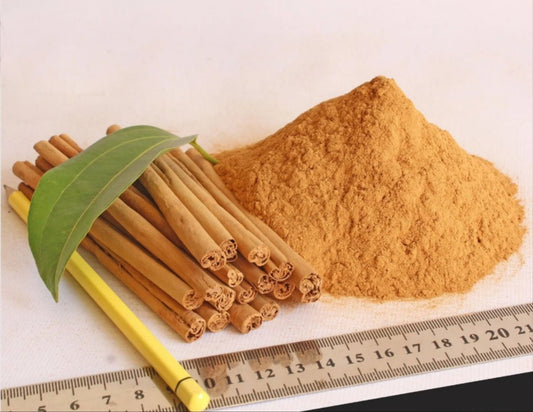
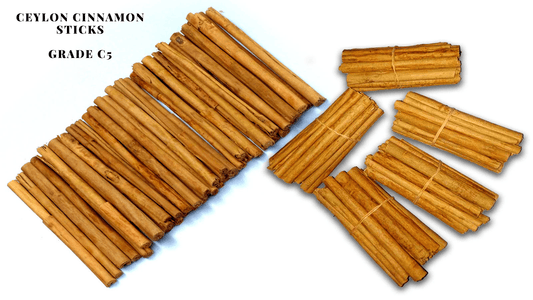
Ceylon quills are made of thin, paper-like layers of inner bark rolled by hand into delicate, cigar-like sticks. Cassia varieties, including Vietnamese, have thick, hard bark that dries into a single inward-curling scroll. That physical difference is the fastest way to tell them apart — and the chemical differences underneath it are what this comparison is really about.
| Feature | Ceylon Cinnamon | Vietnamese Cinnamon |
|---|---|---|
| Scientific name | Cinnamomum verum | Cinnamomum loureiroi (cassia family) |
| Origin | Sri Lanka | Vietnam |
| Bark | Thin, fragile, many layers | Thick, hard, single scroll |
| Colour | Light tan to medium brown | Dark reddish-brown |
| Coumarin content | Trace amounts | Among the highest of any cinnamon — often 100+ times more than Ceylon |
| Flavour | Delicate, sweet, subtle citrus notes | Strong, hot, intensely spicy |
| Price | Premium | Budget |
| Suited to daily use | Yes — wide coumarin safety margin | Not recommended — coumarin adds up quickly |
Coumarin: The Safety Factor That Separates Them
Coumarin is a naturally occurring compound found in cassia cinnamons. In sufficient regular doses it is associated with liver toxicity in sensitive individuals, which is why the European Food Safety Authority (EFSA) established a tolerable daily intake of 0.1 mg of coumarin per kilogram of body weight — about 7 mg per day for a 70 kg (154 lb) adult.
⚠ Why this matters daily: Vietnamese cinnamon is consistently measured among the highest-coumarin cinnamons sold. Published analyses of cassia cinnamons have found levels high enough that a regular daily teaspoon can approach or exceed the EFSA tolerable intake — especially for children and smaller adults. Ceylon cinnamon contains only trace amounts, leaving an enormous safety margin at any normal culinary quantity.
This is not a fringe concern: German food-safety authorities have repeatedly flagged coumarin exposure from cassia cinnamon in consumers who eat cinnamon-heavy foods daily. It is also not scaremongering about occasional use — a cassia-spiced dessert now and then is nothing to worry about. The issue is regular, daily consumption, which is exactly how many people now use cinnamon.
We publish the measured coumarin level of every batch we sell — you can read the lab reports here, and our detailed guide to Ceylon cinnamon, cassia and liver safety covers the research in depth.
Flavour Profile and Culinary Uses
Ceylon cinnamon is delicate, sweet and complex, with subtle citrus and floral notes. It seasons a dish without dominating it, which is why pastry chefs and tea blenders prefer it for anything refined — custards, light bakes, fruit, coffee and tea.
Vietnamese cinnamon is the opposite character: hot, bold and intensely spicy, with the highest essential-oil content of the cassia family. In a heavily spiced cinnamon roll or a robust curry, that punch is genuinely useful — this is the honest advantage Vietnamese cinnamon has, and if that's your use case and your usage is occasional, it's a legitimate choice.
Best Uses at a Glance
Ceylon cinnamon:
- Daily coffee, tea and smoothies
- Oatmeal, yogurt and breakfast dishes
- Delicate pastries, custards and fruit desserts
- Any recipe where cinnamon should support, not dominate
- Any routine where you use cinnamon every day
Vietnamese cinnamon:
- Occasional bold baking — cinnamon rolls, spice cakes
- Robust savoury dishes needing an intense cinnamon punch
- Not suited to daily or high-quantity use because of coumarin
What About Blood Sugar? An Honest Look
Cinnamon's reputation for blood sugar support drives much of its popularity, so let's be straight about the evidence. Human studies on cinnamon and blood glucose exist, but the results are mixed, the studies are small, and — importantly — much of the most-cited research was conducted on cassia cinnamon, not Ceylon. Anyone quoting precise improvement percentages for Ceylon cinnamon is borrowing numbers from studies of a different plant.
What can be said honestly is this: if you have decided, ideally with your doctor, to include cinnamon in your daily routine for any reason, the coumarin question decides which cinnamon you should use. Daily therapeutic-style quantities of a cassia variety like Vietnamese cinnamon can push coumarin intake past European safety limits; the same quantities of Ceylon cinnamon do not come close. That — not a promised percentage — is the real "which is better for health" answer.
If you take diabetes medication, talk to your healthcare provider before adding regular cinnamon in any form, as it may interact with your treatment. Our guide on Ceylon cinnamon and blood sugar looks at the research in more detail.
Quality and Price: Why Ceylon Costs More
Ceylon cinnamon typically costs two to five times more than Vietnamese cinnamon, and the reason is visible in the stick itself. Ceylon quills are made by hand: skilled peelers strip the thin inner bark and roll it in overlapping layers, a craft passed down through generations in Sri Lanka's cinnamon regions. Cassia bark, by contrast, is thick enough to harvest and dry with far less labour.
You are also paying for scarcity — true Cinnamomum verum grows commercially in very few places — and, from a transparent seller, for verification: species identity and coumarin level confirmed by a lab rather than assumed from a label.
How to Identify Authentic Ceylon Cinnamon
Mislabelling is rampant. In the USA, products labelled simply "cinnamon" are almost always cassia, and even "Ceylon" labels are not always honest — we've written before about fake Ceylon cinnamon on Amazon.
Visual Checks (Sticks)
- True Ceylon: thin, fragile quills rolled from many paper-like layers — they snap and crumble easily, light tan in colour
- Cassia / Vietnamese: one thick, hard scroll of dark reddish-brown bark that is difficult to break by hand
Verification (Powder and Bulk)
- Look for the species name — Cinnamomum verum — not just the word "Ceylon"
- Check for stated Sri Lankan origin
- Ask for a lab certificate of analysis: species ID and coumarin level are both testable
- Be suspicious of Ceylon-labelled products at cassia prices
For a full buying walkthrough, see our guide to buying authentic Ceylon cinnamon sticks in the USA.
Every batch we sell is lab-verified Cinnamomum verum with the coumarin level published. Shop organic Ceylon cinnamon — sticks & powder →
Best Ways to Use Ceylon Cinnamon
- Beverages: steep a quill in hot water for tea, add to coffee, or try our cinnamon and honey morning drink
- Breakfast: sprinkle over oatmeal, yogurt or fruit
- Baking: cakes, cookies and breads where a refined sweetness matters
- Savoury: curries, stews and rice dishes for gentle warmth and depth
See 9 great ways to use Ceylon cinnamon sticks for detailed methods, and our powder vs sticks guide if you're deciding which form to buy.
Storage Tips
- Airtight container, away from light, heat and moisture
- Whole quills keep up to 2 years; ground powder 6–12 months
- Grind sticks fresh for the fullest flavour
Final Verdict
For anyone who uses cinnamon regularly — in a daily drink, on breakfast, or in frequent baking — Ceylon cinnamon is the clear choice. The deciding factor isn't flavour preference or marketing; it's coumarin. Ceylon's trace levels make daily use a non-issue, while daily cassia consumption can quietly exceed European safety limits.
Vietnamese cinnamon has an honest place too: occasional bold recipes where its intense heat shines, in modest amounts. It's not a dangerous spice — it's a strong one that shouldn't be a daily habit.
Whichever you buy, buy from a seller who can prove the species and the coumarin level. Labels in this market are unreliable; lab reports aren't.
Ready to taste the difference? Shop certified organic Ceylon cinnamon, direct from Sri Lanka →
Frequently Asked Questions
What is the difference between Ceylon and Vietnamese cinnamon?
Ceylon cinnamon (Cinnamomum verum) from Sri Lanka has thin, multi-layered bark, a delicate sweet flavour, and only trace amounts of coumarin. Vietnamese cinnamon (Cinnamomum loureiroi) is a cassia variety with thick single-layer bark, a much stronger, spicier flavour, and substantially higher coumarin content — which matters for anyone using cinnamon regularly.
How can I tell if my cinnamon is Ceylon or cassia?
Look at the sticks. True Ceylon quills are thin, fragile, and rolled from many paper-like layers — like a cigar — in a light tan colour. Cassia sticks (including Vietnamese) are thick, hard, dark reddish-brown, and curl inward as a single layer. For powder, appearance alone is unreliable — only the label (Cinnamomum verum), Sri Lankan origin, or a lab test can confirm the species.
Does Vietnamese cinnamon have any advantages over Ceylon?
Two real ones: it's cheaper, and it has a stronger, spicier flavour that some bold recipes genuinely benefit from. If you use cinnamon occasionally and want maximum punch, Vietnamese cinnamon works. For regular or daily use, its high coumarin content is the reason most informed buyers choose Ceylon.
How much cinnamon is safe to eat per day?
The European Food Safety Authority sets a tolerable daily intake of 0.1 mg of coumarin per kilogram of body weight. Because cassia varieties are high in coumarin, a regular daily teaspoon can approach or exceed that limit, while Ceylon cinnamon's trace coumarin content leaves an enormous safety margin at normal culinary amounts. Our full Ceylon cinnamon dosage guide covers this in detail.
Is Ceylon cinnamon safe for children?
In normal culinary amounts sprinkled into food, Ceylon cinnamon is generally considered safe for children, and its trace coumarin content gives it a much wider safety margin than cassia varieties — which matters more at a child's lower body weight. Treat it as a food ingredient, not a supplement, and ask your pediatrician before any regular therapeutic-style use.
Can I use Ceylon cinnamon if I take blood thinners?
Talk to your doctor first. Coumarin can affect blood clotting, and while Ceylon cinnamon contains only trace amounts, anyone on warfarin, aspirin or clopidogrel should get medical advice before regular use of any cinnamon. Avoid regular use of cassia varieties, including Vietnamese cinnamon, with blood thinners.
Is ground Ceylon cinnamon as good as cinnamon sticks?
Both come from the same bark, but ground cinnamon loses its volatile oils faster. Whole quills keep their character for up to two years stored airtight and dark; ground powder is best within 6–12 months. Buying whole sticks and grinding fresh gives the best flavour — see our powder vs sticks comparison.
Where can I buy authentic Ceylon cinnamon in the USA?
Buy from sellers that name the species (Cinnamomum verum), state Sri Lankan origin, and ideally publish lab certificates of analysis. Generic supermarket "cinnamon" in the USA is almost always cassia. Be wary of very low prices — genuine Ceylon costs more because harvesting the thin inner bark is skilled manual work. See our USA buying guide.