

Why Most "Ceylon Cinnamon" on Amazon Isn't Real - Ceylon Spice Garden
Why Most "Ceylon Cinnamon" on Amazon Isn't Real
TL;DR - Quick Facts
Up to 70% of "Ceylon cinnamon" sold on Amazon is actually cheaper Cassia cinnamon. Real Ceylon cinnamon (Cinnamomum verum) comes only from Sri Lanka and has thin, multi-layered bark. Cassia has thick, single-layer bark and contains high levels of coumarin, a compound that can damage your liver. Learn to identify authentic Ceylon cinnamon to protect your health and your wallet.
If you've purchased "Ceylon cinnamon" from Amazon, there's a troubling reality you need to know: most of it isn't genuine. Industry testing reveals that up to 70% of products labeled as Ceylon cinnamon on major marketplaces are actually Cassia cinnamon from China, Indonesia, or Vietnam.
This isn't just about getting ripped off. Research published in the National Institutes of Health database shows that Cassia cinnamon contains dangerous levels of coumarin, a naturally occurring compound that can cause liver damage when consumed regularly. Real Ceylon cinnamon has 1,200 times less coumarin than Cassia.
Table of Contents
Why Fake Ceylon Cinnamon Floods Amazon
The economics are simple and ruthless. Cassia cinnamon costs $2-4 per kilogram wholesale. Authentic Ceylon cinnamon costs $15-30 per kilogram. By mislabeling Cassia as Ceylon, sellers can increase their profit margins by 400-600%.
Amazon's marketplace structure makes this fraud easy. Third-party sellers face minimal product verification requirements. According to Forbes Health reports, testing by independent laboratories found that many "Ceylon cinnamon" products on Amazon contained exclusively Cassia cinnamon, with no Ceylon content whatsoever.
The Supply Chain Problem
Most Amazon sellers don't source directly from Sri Lankan farms. Instead, they purchase from intermediaries who blend cheap Cassia with small amounts of Ceylon, or sell pure Cassia labeled as Ceylon. Without direct relationships with Sri Lankan cinnamon producers, verification becomes nearly impossible.
The Health Risks You're Taking
The health implications of consuming Cassia instead of Ceylon cinnamon are significant and well-documented in medical literature.
Coumarin: The Hidden Danger
Cassia cinnamon contains 0.4-0.8% coumarin by weight. Ceylon cinnamon contains just 0.004%. The European Food Safety Authority has established a tolerable daily intake (TDI) of 0.1 mg of coumarin per kilogram of body weight.
For a 150-pound (68 kg) person, this means:
- Maximum safe coumarin intake: 6.8 mg per day
- Amount in 1 teaspoon of Cassia: 7-12 mg of coumarin
- Amount in 1 teaspoon of real Ceylon: 0.006 mg of coumarin
A single teaspoon of Cassia cinnamon can exceed the safe daily limit. Regular consumption can lead to liver toxicity, as documented in clinical case studies published in medical journals.
Real-World Health Impact
Medical literature documents cases of patients developing elevated liver enzymes and hepatotoxicity after consuming 1-2 teaspoons of Cassia cinnamon daily for several weeks. These issues resolved after switching to genuine Ceylon cinnamon or discontinuing use.
Visual Guide: Real vs. Fake Ceylon Cinnamon
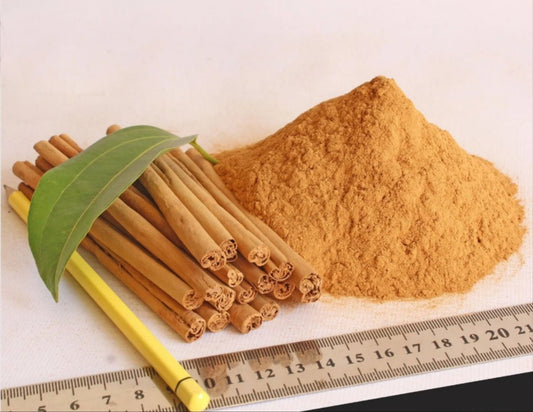
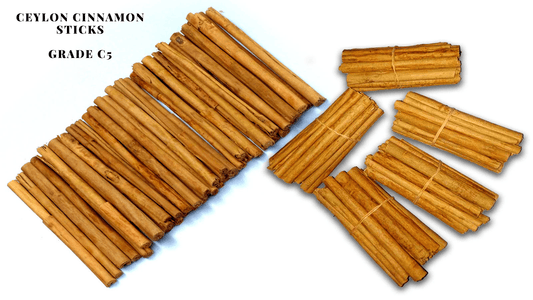
Learning to identify authentic Ceylon cinnamon is your first line of defense against fraud. The physical differences are clear once you know what to look for.
| Characteristic | Real Ceylon Cinnamon | Fake (Cassia) Cinnamon |
|---|---|---|
| Appearance | Thin, paper-like layers (10-15 layers visible) | Thick, single layer or 2-3 layers |
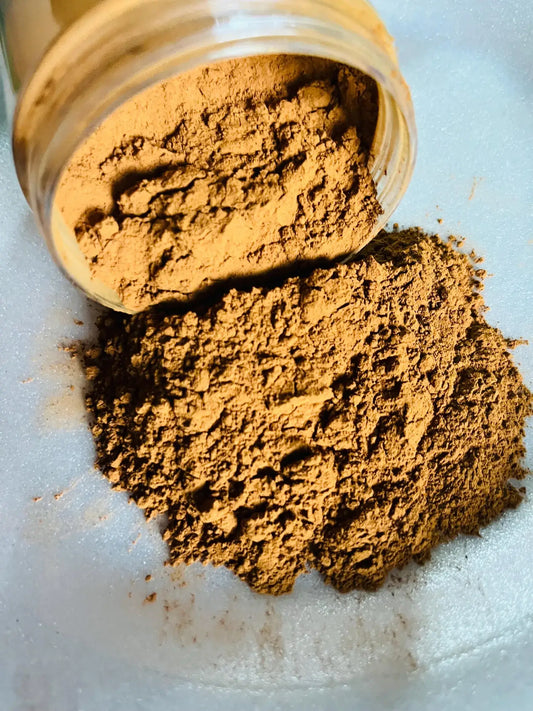
| Color | Light tan to medium brown | Dark reddish-brown |
| Texture | Brittle, easily crumbles | Hard, woody, difficult to break |
| Flavor Profile | Sweet, delicate, complex | Strong, spicy, one-dimensional |
| Coumarin Content | 0.004% (extremely low) | 0.4-0.8% (dangerously high) |
| Origin | Sri Lanka only | China, Indonesia, Vietnam |
| Price Point | $18-35 per pound | $5-12 per pound |
The Physical Test
When you receive your cinnamon sticks, perform this simple verification:
- Count the layers: Break a stick in half. Real Ceylon cinnamon will show 10-15 thin layers. Cassia shows 1-3 thick layers.
- Check the flexibility: Ceylon cinnamon is soft and breaks easily. Cassia is hard and woody.
- Examine the color: Hold the stick up to light. Ceylon is lighter in color with a golden hue. Cassia is dark and opaque.
- Smell test: Ceylon has a sweet, subtle aroma. Cassia has an intense, almost burning smell.
Red Flags on Amazon Listings
Certain patterns in Amazon listings indicate a high probability of fake Ceylon cinnamon. Learn to spot these warning signs before purchasing.
1. Suspiciously Low Prices
If you see "Ceylon cinnamon" priced under $15 per pound, it's almost certainly fake. Authentic Ceylon cinnamon cannot be produced and imported at those price points while maintaining profit margins for farmers, processors, and sellers.
2. Vague Origin Information
Legitimate sellers provide specific information about their Sri Lankan sources. Red flags include:
- No mention of Sri Lanka in the product description
- Generic claims like "imported from Asia"
- No information about the specific farm or region
- Multiple origin countries listed
3. Missing Certifications
Authentic Ceylon cinnamon sellers typically display:
- USDA Organic certification (if claimed)
- Sri Lankan export documentation
- Lab testing reports for coumarin content
- Geographical indication certificates
If these are missing or the seller refuses to provide them upon request, that's a major warning sign.
4. Deceptive Product Images
Many fake listings use stock photos of real Ceylon cinnamon while shipping Cassia. Look for:
- Multiple products using identical photos
- Images that don't show the bark layers clearly
- Photos showing sticks that look different from the description
- No close-up images of the cinnamon's interior layers
How to Verify Authentic Ceylon Cinnamon
Don't rely solely on product labels. Take these verification steps to confirm authenticity.
Request Documentation
Before purchasing, contact the seller and request:
- Certificate of Origin: Official documentation proving Sri Lankan origin
- Lab test results: Third-party testing showing coumarin levels below 0.01%
- Import documentation: Customs paperwork showing direct import from Sri Lanka
- Organic certificates: If organic claims are made, USDA certification must be provided
Legitimate sellers maintain these documents and provide them readily. Hesitation or refusal is a clear warning sign.
The Water Test (For Ground Cinnamon)
This simple test can help identify Cassia powder:
- Add ½ teaspoon of cinnamon powder to a glass of warm water
- Stir and let sit for 30 minutes
- Real Ceylon cinnamon: Creates a light suspension with minimal sediment
- Cassia: Forms thick, gel-like consistency with heavy sediment
The Iodine Test
According to food science research, this test exploits the starch content differences:
- Mix a small amount of ground cinnamon with water to form a paste
- Add 2-3 drops of iodine solution
- Ceylon cinnamon: Slight blue tint
- Cassia: Deep blue or black color (high starch content)
Where to Buy Real Ceylon Cinnamon
Your best protection against fraud is purchasing from verified, direct-source suppliers who maintain transparent supply chains.
Direct from Sri Lanka
The most reliable option is buying from companies that import directly from Sri Lankan farms. Ceylon Spice Garden maintains direct relationships with organic farms in Sri Lanka's cinnamon-growing regions and provides full documentation for every product.
Our Alba Grade Ceylon Cinnamon Sticks represent the highest quality available, sourced from single-origin estates with complete traceability. Each batch includes:
- USDA Organic certification
- Certificate of Sri Lankan origin
- Third-party lab testing for coumarin content
- Direct farm-to-consumer supply chain documentation
What to Look for in a Supplier
Whether purchasing from us or exploring other options, demand these standards:
- Direct Sri Lankan sourcing: No intermediaries or mystery suppliers
- Transparent documentation: All certificates readily available
- Specific farm information: Names of estates or cooperatives
- Testing results: Regular third-party lab verification
- Fair trade practices: Fair compensation to Sri Lankan farmers
We also offer Ceylon Cinnamon Powder ground from verified Alba grade sticks, maintaining the same quality standards and documentation.
Compare with Other Ceylon Spices
While verifying your Ceylon cinnamon sources, consider expanding your spice collection with other authentic Sri Lankan products. Our Ceylon Cardamom and Ceylon Black Pepper maintain the same rigorous quality standards. Learn about the differences in Ceylon spices versus alternatives from other regions.
Price Reality Check
Understand the true economics of authentic Ceylon cinnamon:
- Wholesale cost in Sri Lanka: $15-25 per kg
- Import costs (shipping, customs, duties): $3-5 per kg
- Quality testing and certification: $1-2 per kg
- Packaging and handling: $2-3 per kg
- Retailer margin: 30-50%
This means genuine Ceylon cinnamon cannot be sold for less than approximately $18-20 per pound at retail. Lower prices indicate either fraud or severely compromised quality.
Protect Your Health and Your Wallet
The Ceylon cinnamon fraud on Amazon represents both a health risk and a financial scam. By consuming Cassia marketed as Ceylon, you're exposing yourself to dangerous coumarin levels while missing the genuine health benefits of true Ceylon cinnamon.
The solution is straightforward: purchase only from verified direct-source suppliers who provide complete documentation. Learn more about where to buy authentic Ceylon cinnamon and verify every claim.
Don't let Amazon's marketplace chaos compromise your health. Choose transparency, choose documentation, choose authentic Ceylon Spice Garden products backed by our commitment to quality and your wellbeing.
Frequently Asked Questions
Examine the physical characteristics: real Ceylon cinnamon has 10-15 thin, paper-like layers visible when broken, a light tan color, and brittle texture. Cassia has 1-3 thick layers, dark color, and woody hardness. Request documentation including certificate of origin and lab testing results from your seller. If they can't or won't provide these, it's likely fake.
If you've been consuming Cassia labeled as Ceylon, you've been exposed to high coumarin levels that can cause liver damage with regular use. Stop using it immediately and switch to verified Ceylon cinnamon. If you've consumed more than 1 teaspoon daily for extended periods, consider having your liver enzymes checked by your healthcare provider. The good news is that liver damage from coumarin is typically reversible when consumption stops.
Authentic Ceylon cinnamon comes exclusively from Sri Lanka and requires labor-intensive hand-processing. The thin, delicate bark must be carefully peeled and rolled by skilled workers. Production volumes are limited compared to mass-produced Cassia. Factor in import costs, quality testing, organic certification, and fair wages for Sri Lankan farmers, and the $18-35 per pound price reflects actual production costs, not inflated marketing.
No, not automatically. Many fake products display organic labels without proper USDA certification. Always request the actual USDA organic certificate number and verify it on the USDA's organic integrity database. Legitimate organic certification requires extensive documentation and annual inspections. If a seller can't provide a verifiable certificate number, the organic claim is fraudulent.
For authentic Ceylon cinnamon, health research suggests up to 1-2 teaspoons (4-6 grams) daily is safe for most adults due to its extremely low coumarin content. This is the amount used in clinical studies showing benefits for blood sugar control and inflammation. However, individual tolerance varies, so start with smaller amounts and consult your healthcare provider, especially if you're on medications or have liver conditions.
While some legitimate sellers may exist on Amazon, the platform's structure makes verification extremely difficult. The problem is that Amazon doesn't require lab testing or origin verification for spice products. Even sellers with positive reviews may be shipping Cassia due to supplier fraud they're unaware of. Your safest approach is purchasing from specialized importers with direct Sri Lankan relationships, transparent supply chains, and readily available documentation like Ceylon Spice Garden.
Yes, if the powder is ground from authentic Ceylon cinnamon sticks. The health benefits remain the same. However, powder is easier to adulterate and harder to verify visually, making fraud even more common. Always buy powder from verified sources that can document their stick sources. Better yet, purchase whole sticks and grind them yourself to guarantee authenticity.
Alba is the highest quality grade of Ceylon cinnamon, characterized by sticks with diameters less than 6mm, uniform light tan color, and exceptional sweetness. Alba grade cinnamon comes from the finest inner bark harvested during optimal seasons. It represents less than 10% of Ceylon cinnamon production, making it more expensive but offering superior flavor and aroma. Learn more about Alba grade quality standards.
Yes, Amazon's return policy covers products that don't match their description. Document the fraud with photos showing the thick bark layers, dark color, and single-layer structure characteristic of Cassia. Include any lab testing results if you've had the product analyzed. File a complaint with Amazon highlighting the health risks of the misrepresentation. Request a full refund and report the seller for fraudulent labeling to help protect other consumers.






2 comments
Would like to the real product not the fake one.
I want to purchase areal Ceylon Cinnamon with MTC oil from Serilangka.
Ijust want to know where to purchase ,I want to order . thanks.