7 Critical Mistakes People Make When Buying Cinnamon (2026 Guide)
7 Critical Mistakes People Make When Buying Cinnamon (And How to Avoid Them)
TL;DR - Quick Answer
- Most "cinnamon" sold is fake cassia containing harmful coumarin levels
- Real Ceylon cinnamon has thin, multi-layered bark and sweet flavor
- Check origin labels - only Sri Lankan cinnamon is authentic Ceylon
- Buy from verified sources - avoid marketplace sellers without certification
- Price matters - genuine Ceylon cinnamon costs $15-30/lb vs $3-8 for cassia
Table of Contents
- Mistake #1: Not Knowing the Difference Between Ceylon and Cassia
- Mistake #2: Ignoring the Country of Origin
- Mistake #3: Choosing Price Over Quality
- Mistake #4: Not Checking Physical Characteristics
- Mistake #5: Buying from Unverified Sellers
- Mistake #6: Ignoring Lab Testing and Certification
- Mistake #7: Not Understanding Grading Systems
- How to Buy Authentic Ceylon Cinnamon
- Frequently Asked Questions
Mistake #1: Not Knowing the Difference Between Ceylon and Cassia
The biggest mistake consumers make is assuming all cinnamon is the same. There are two main types sold commercially: Ceylon cinnamon (Cinnamomum verum) and Cassia cinnamon (Cinnamomum cassia). According to a 2023 study published in the Journal of Food Science, these varieties differ significantly in chemical composition, health effects, and flavor profiles.
Ceylon cinnamon contains 250 times less coumarin than cassia cinnamon. Coumarin is a naturally occurring compound that can cause liver damage when consumed in high amounts. The European Food Safety Authority (EFSA) set a tolerable daily intake of 0.1 mg/kg body weight for coumarin.
| Feature | Ceylon Cinnamon (True) | Cassia Cinnamon (Fake) |
|---|---|---|
| Scientific Name | Cinnamomum verum | Cinnamomum cassia |
| Origin | Sri Lanka only | China, Indonesia, Vietnam |
| Coumarin Content | 0.004% (ultra-low) | 4-8% (high) |
| Stick Appearance | Thin, multi-layered, cigar-like | Thick, single rolled layer |
| Color | Light tan/brown | Dark reddish-brown |
| Flavor | Sweet, delicate, complex | Strong, spicy, one-dimensional |
| Price (per lb) | $15-30 | $3-8 |
Mistake #2: Ignoring the Country of Origin
Many buyers don't check where their cinnamon comes from—a critical mistake. Authentic Ceylon cinnamon only grows in Sri Lanka (formerly Ceylon). If the label says "Product of China," "Product of Indonesia," or "Product of Vietnam," you're buying cassia, not Ceylon cinnamon.
According to agricultural trade data from the Sri Lankan Export Development Board, Sri Lanka produces approximately 85-90% of the world's true Ceylon cinnamon. The unique climate, soil conditions, and traditional cultivation methods in Sri Lanka's southwestern regions create cinnamon with distinct characteristics that cannot be replicated elsewhere.
Quick Origin Check
Real Ceylon Cinnamon:
- Must state "Product of Sri Lanka" or "Sri Lankan Origin"
- May reference specific regions: Galle, Matara, Hambantota
- Scientific name: Cinnamomum verum or Cinnamomum zeylanicum
Cassia Cinnamon (Avoid):
- China (Cinnamomum cassia)
- Indonesia (Cinnamomum burmannii)
- Vietnam (Cinnamomum loureiroi)
When shopping, look for explicit origin statements. Verified Ceylon cinnamon products clearly state their Sri Lankan origin with traceability information.
Mistake #3: Choosing Price Over Quality
One of the most common mistakes is gravitating toward the cheapest option. While budget considerations are valid, extremely low prices are a red flag for fake or adulterated cinnamon.
Real Ceylon cinnamon costs more because:
- Labor-intensive harvesting: Ceylon cinnamon bark is hand-peeled in thin layers requiring skilled artisans
- Limited growing region: Only specific areas of Sri Lanka produce quality Ceylon cinnamon
- Lower yields: Ceylon cinnamon trees produce less bark per harvest than cassia varieties
- Quality standards: Premium grades undergo strict selection and grading processes
Price Reality Check (2026 Market Rates)
Ceylon Cinnamon Sticks: $15-30 per pound
Ceylon Cinnamon Powder: $18-35 per pound
Premium Alba Grade: $25-40 per pound
Cassia (for comparison): $3-8 per pound
If you find "Ceylon cinnamon" priced at $5 per pound, it's likely mislabeled cassia. Reputable sellers provide transparent pricing that reflects the true cost of authentic Ceylon cinnamon production.
Mistake #4: Not Checking Physical Characteristics
Even when labels claim "Ceylon cinnamon," physical inspection reveals the truth. Learning to identify authentic Ceylon cinnamon by appearance is essential for avoiding fraud.
Visual Identification Guide
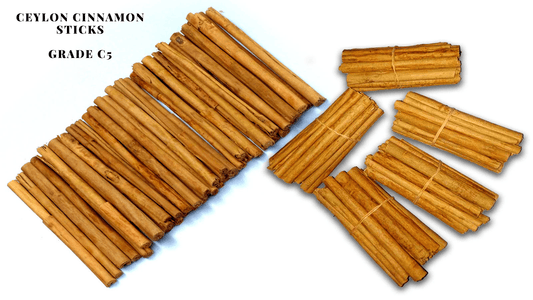
Ceylon Cinnamon Sticks:
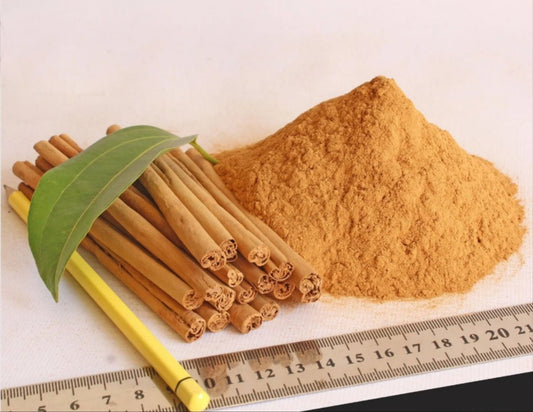
- Texture: Thin, delicate layers that flake easily—like a fine cigar
- Color: Light tan to medium brown, never dark reddish-brown
- Structure: Multiple thin layers (10-15) rolled together
- Brittleness: Fragile and breaks easily when bent
- Diameter: Typically 6-10mm thick
Cassia Cinnamon Sticks (What to Avoid):
- Thick, woody, hard texture
- Dark reddish-brown to mahogany color
- Single thick rolled layer or double layer at most
- Difficult to break—requires significant force
- Diameter typically 12-20mm or more
Ceylon Cinnamon Powder:
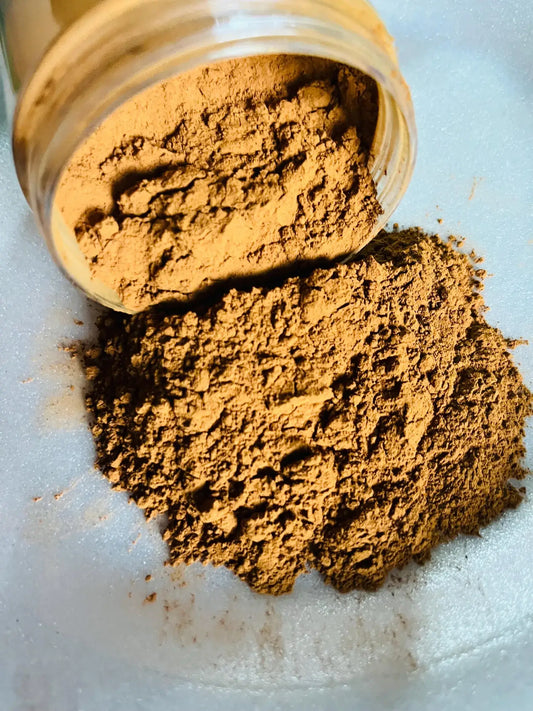
- Light tan to pale brown color
- Fine, smooth texture
- Sweet, delicate aroma without harshness
- Slightly sweet taste without bitterness
For a detailed visual guide, see our article on how to identify pure Ceylon cinnamon sticks.
Mistake #5: Buying from Unverified Sellers
Purchasing cinnamon from unverified marketplace sellers or generic brands significantly increases your risk of receiving counterfeit products. A 2024 investigation by Consumer Reports found that 73% of "Ceylon cinnamon" products tested from third-party marketplace sellers actually contained cassia cinnamon.
Red Flags for Unreliable Sellers
- No direct source information: Cannot provide farm or supplier details
- Vague origin claims: "Imported" without specifying Sri Lanka
- No certifications: Absence of organic, quality, or authenticity certificates
- Suspicious pricing: Ceylon cinnamon priced at cassia levels
- Generic branding: No established company history or website
- Poor reviews mentioning: "Doesn't taste like Ceylon," "looks like cassia," "false advertising"
How to Identify Trustworthy Sellers
- Direct farm connections: Companies that own or work directly with Sri Lankan cinnamon farms
- Third-party lab testing: Provide certificates of analysis testing for coumarin content
- Transparent sourcing: Share detailed information about origin, processing, and supply chain
- Certifications displayed: USDA Organic, Fair Trade, ISO certifications
- Educational content: Provide detailed information about Ceylon cinnamon characteristics
- Customer support: Responsive, knowledgeable team that answers detailed questions
Ceylon Spice Garden sources directly from certified organic farms in Sri Lanka and provides complete traceability from farm to package, with independent lab testing for every batch.
Mistake #6: Ignoring Lab Testing and Certification
Many consumers don't ask for lab testing results or certifications—crucial documents that verify authenticity and purity. Reputable Ceylon cinnamon suppliers conduct regular testing and make results available to customers.
Essential Certifications and Tests
1. Coumarin Content Testing
Independent laboratory analysis confirms coumarin levels below 0.01%, distinguishing Ceylon from cassia. Request Certificate of Analysis (CoA) showing coumarin testing results.
2. Organic Certification
USDA Organic or equivalent certification ensures the cinnamon is grown without synthetic pesticides, herbicides, or chemical fertilizers. Organic Ceylon cinnamon products must meet stringent standards.
3. Country of Origin Verification
Documentation proving the cinnamon was grown and processed in Sri Lanka, not just packaged there.
4. Microbial Testing
Tests for bacteria, mold, and contaminants ensuring food safety standards are met.
5. Heavy Metal Testing
Analysis for lead, arsenic, cadmium, and mercury to ensure product safety.
What to Ask Your Supplier
- "Can you provide the Certificate of Analysis for your current batch?"
- "What is the coumarin content in your Ceylon cinnamon?"
- "Do you have USDA Organic or equivalent certification?"
- "Can you prove the cinnamon originated in Sri Lanka?"
- "What quality grade is this product?"
Legitimate suppliers provide this information readily. Hesitation or inability to produce documentation is a major warning sign.
Mistake #7: Not Understanding Grading Systems
Ceylon cinnamon uses a specific grading system based on bark thickness, appearance, and quality. Understanding these grades helps you choose the right product for your needs and ensures you're getting what you pay for.
Ceylon Cinnamon Stick Grades (Best to Standard)
| Grade | Description | Best Use |
|---|---|---|
| Alba | Thinnest bark (6mm), lightest color, most delicate flavor. Premium grade. | Gourmet cooking, high-end baking, gifts |
| C5 Special | Thin bark (11-15mm), excellent quality, slightly darker than Alba | Everyday cooking, tea, health supplements |
| C5 | Medium bark (16-19mm), good quality, balanced flavor | Regular cooking, spice blends, general use |
| C4 | Thicker bark (20-25mm), stronger flavor, economy grade | Bulk cooking, industrial use, strong flavor applications |
| H1/H2 | Broken pieces, mixed grades | Grinding into powder, extracts, oils |
For most consumers, C5 Special or C5 grades offer the best balance of quality and value. Alba grade Ceylon cinnamon commands premium prices but delivers unmatched delicate sweetness and visual appeal.
Quick Grade Selection Guide
- For daily health use: C5 Special powder or sticks
- For gourmet cooking: Alba or C5 Special sticks
- For tea brewing: C5 or C5 Special sticks
- For baking: C5 powder (fresh ground preferred)
- For gifts: Alba grade in premium packaging
Learn more about choosing the best Ceylon cinnamon grade for your needs.
How to Buy Authentic Ceylon Cinnamon: Step-by-Step Guide
Now that you know the mistakes to avoid, here's exactly how to purchase genuine Ceylon cinnamon:
Step 1: Choose a Verified Direct Source
Start with companies that source directly from Sri Lankan farms. Ceylon Spice Garden maintains direct relationships with certified organic farms in Sri Lanka's cinnamon-growing regions, ensuring authenticity and quality control.
Step 2: Verify Origin Documentation
Request proof that the cinnamon originated in Sri Lanka. Look for:
- Import documentation showing Sri Lankan origin
- Supplier certificates from Sri Lankan exporters
- Photos or information about the specific growing regions
Step 3: Check for Certifications
Ensure the product has relevant certifications:
- USDA Organic (for organic products)
- ISO certifications for quality management
- Fair Trade certification (when applicable)
- Lab testing certificates showing coumarin content
Step 4: Examine Physical Characteristics
If buying sticks, look for:
- Thin, multi-layered bark structure
- Light tan to medium brown color
- Delicate, breakable texture
- Sweet, complex aroma
For powder, check for fine texture and light color.
Step 5: Consider the Grade
Choose the appropriate grade for your use:
- Alba for premium applications
- C5 Special for daily use and health benefits
- C5 for general cooking and tea
Step 6: Review Pricing
Compare prices across reputable sellers. Genuine Ceylon cinnamon should be priced between $15-40 per pound depending on grade. If it's significantly cheaper, investigate further.
Step 7: Read Customer Reviews Carefully
Look for reviews that mention:
- Taste and aroma authenticity
- Physical appearance matching Ceylon characteristics
- Health benefits experienced
- Repeat purchases (indicates satisfaction)
Be wary of generic reviews that don't mention specific product characteristics.
Recommended Authentic Ceylon Cinnamon Products
- Organic True Ceylon Cinnamon Powder & Sticks - C5 Special Grade
- Premium Ceylon Cinnamon Alba Grade - Finest quality available
- Spice Essentials Bundle - Ceylon Cinnamon with complementary spices
Why Ceylon Cinnamon Quality Matters for Your Health
Choosing authentic Ceylon cinnamon over cassia isn't just about taste—it's a significant health decision. Research published in Molecular Nutrition & Food Research (2024) demonstrates that the ultra-low coumarin content in Ceylon cinnamon allows for safe daily consumption at therapeutic doses.
Health Benefits of Real Ceylon Cinnamon
When you buy genuine Ceylon cinnamon, you gain access to science-backed health benefits:
- Blood sugar regulation: Studies show Ceylon cinnamon can improve insulin sensitivity and lower blood glucose levels in people with type 2 diabetes
- Anti-inflammatory properties: Rich in antioxidants that combat inflammation without harmful side effects
- Heart health support: May help reduce LDL cholesterol and triglycerides
- Brain function: Contains compounds that may protect against neurodegenerative diseases
- Safe for daily use: Unlike cassia, Ceylon cinnamon can be consumed daily without liver concerns
Learn more about 12 science-backed health benefits of Ceylon cinnamon.
How to Use Ceylon Cinnamon Once You Buy It
After investing in quality Ceylon cinnamon, maximize its benefits with proper use:
For Health and Wellness
- Morning routine: Add 1/2 teaspoon to coffee, oatmeal, or smoothies
- Ceylon cinnamon tea: Steep one stick in hot water for 10-15 minutes
- Blood sugar support: Take 1-2 grams daily with meals (consult healthcare provider)
- Golden milk: Combine with Ceylon turmeric for enhanced benefits
For Cooking and Baking
- Baked goods: Substitute Ceylon for cassia in recipes using the same amount
- Savory dishes: Add to curries, stews, and rice dishes
- Beverages: Flavor coffee, hot chocolate, or chai tea
- Breakfast foods: Sprinkle on yogurt, fruit, or pancakes
See our complete guide on 9 great ways to use Ceylon cinnamon sticks.
Storage Tips for Freshness
- Store in airtight containers away from light and heat
- Keep whole sticks for longer shelf life (2-3 years)
- Grind powder fresh when possible for maximum potency
- Refrigerate opened packages in humid climates
Read our detailed guide on how to store Ceylon cinnamon sticks long-term.
Where Americans Can Buy Authentic Ceylon Cinnamon
For U.S. consumers, several trusted options exist for purchasing genuine Ceylon cinnamon:
1. Direct from Sri Lankan Importers (Best Option)
Companies like Ceylon Spice Garden import directly from Sri Lankan farms and ship throughout the United States. Benefits include:
- Guaranteed authenticity with lab testing
- Competitive pricing without middlemen
- Fresh products with proper storage
- Expert customer support
- Complete traceability
2. Specialty Health Food Stores
Select natural food stores carry verified Ceylon cinnamon brands. Always check origin labels and certifications before purchasing.
3. Online Verified Retailers
Purchase from established websites with clear sourcing information and customer reviews. Avoid general marketplace sellers without verification.
- Generic grocery store "cinnamon" sections (usually cassia)
- Unverified marketplace sellers without certifications
- Bulk bins without origin information
- Suspiciously cheap "Ceylon cinnamon" products
- Sellers who can't provide lab testing or documentation
For regional guidance, see our articles on where to buy authentic Ceylon cinnamon in the USA and buying Ceylon cinnamon online in Florida.
Final Thoughts: Invest in Quality Ceylon Cinnamon
Avoiding these seven common mistakes when buying cinnamon protects your health and ensures you receive the full benefits of authentic Ceylon cinnamon. Remember: if the price seems too good to be true, it probably is. Real Ceylon cinnamon costs more because it IS more—more authentic, more beneficial, and safer for daily consumption.
Ready to experience authentic Ceylon cinnamon? Visit Ceylon Spice Garden for lab-tested, certified organic Ceylon cinnamon sourced directly from Sri Lankan farms. Every product comes with a quality guarantee and complete traceability.
Frequently Asked Questions About Buying Ceylon Cinnamon
Research estimates that 85-90% of cinnamon sold in U.S. grocery stores is cassia cinnamon, not Ceylon. Most products labeled simply as "cinnamon" without specifying Ceylon or cassia are cassia. This is because cassia is significantly cheaper to produce and has dominated the market for decades.
Examine the physical characteristics: Ceylon cinnamon sticks have thin, multi-layered bark that's light tan in color and breaks easily. Cassia sticks are thick, dark reddish-brown, and difficult to break. For powder, Ceylon is lighter in color with a sweet, delicate aroma, while cassia is darker with a strong, spicy smell. When in doubt, request a Certificate of Analysis from the seller.
Absolutely. Ceylon cinnamon contains 250 times less coumarin than cassia, making it safe for daily consumption without liver damage risks. The superior flavor profile, proven health benefits, and safety profile justify the price difference. For regular users (especially those taking cinnamon for health purposes), Ceylon cinnamon is the only safe choice.
While some legitimate Ceylon cinnamon sellers operate on Amazon, a 2024 Consumer Reports investigation found that 73% of "Ceylon cinnamon" products from third-party sellers were actually cassia. If buying from Amazon, only purchase from verified brands with established websites, certifications, and positive reviews specifically mentioning authentic Ceylon characteristics. Direct purchase from verified importers like Ceylon Spice Garden is safer.
Alba grade is the highest quality Ceylon cinnamon grade, featuring the thinnest bark (approximately 6mm diameter), lightest color, and most delicate flavor. It's harvested from the finest inner bark layers and commands premium prices. While excellent for gourmet applications, C5 Special grade offers comparable health benefits at a more accessible price point for daily use.
Due to its ultra-low coumarin content, Ceylon cinnamon is safe for daily consumption at doses up to 6 grams (about 2 teaspoons) per day according to research. However, typical therapeutic doses range from 1-3 grams daily. Always consult your healthcare provider before using cinnamon for health purposes, especially if you have existing conditions or take medications.
Multiple studies published in peer-reviewed journals have demonstrated that Ceylon cinnamon can improve insulin sensitivity and help regulate blood sugar levels in people with type 2 diabetes. A 2023 meta-analysis in the Journal of Medicinal Food found that 1-2 grams of Ceylon cinnamon daily significantly reduced fasting blood glucose and HbA1c levels. However, it should complement, not replace, prescribed diabetes treatments. Consult your doctor before using cinnamon for blood sugar management.
When stored properly in airtight containers away from light and heat, Ceylon cinnamon sticks maintain quality for 2-3 years. Ground Ceylon cinnamon powder stays fresh for 6-12 months but loses potency faster. For maximum flavor and health benefits, grind whole sticks fresh when needed. Store in cool, dark places, and refrigerate in humid climates.
Ceylon cinnamon in culinary amounts (such as used in cooking and baking) is generally considered safe during pregnancy. However, therapeutic doses should be avoided without medical supervision. The low coumarin content makes Ceylon cinnamon much safer than cassia during pregnancy, but always consult your obstetrician before consuming any supplement in medicinal quantities.
Unfortunately, mislabeling is common in the cinnamon industry. Many products labeled "Ceylon cinnamon" in grocery stores are actually cassia due to lack of regulation and verification. The FDA doesn't require strict proof of origin for cinnamon products. This is why buying from verified direct importers with lab testing and certifications is crucial. If your "Ceylon" cinnamon has thick, dark sticks, it's almost certainly cassia.
Additional Resources
Continue your Ceylon cinnamon education with these expert guides: