Ceylon Cinnamon & Cholesterol: Evidence, Safety & Food Ideas
Ceylon Cinnamon & Cholesterol: What the Evidence Actually Shows
Ceylon cinnamon is a beautiful culinary spice for tea, fruit, breakfast bowls and baking. It is not a cholesterol treatment—and the research on cinnamon supplements does not prove that a kitchen spice can replace a heart-health plan or prescribed care.
Can Ceylon cinnamon lower cholesterol?
The honest answer is: the evidence is not strong enough to market culinary cinnamon as a cholesterol-lowering therapy. Studies use different cinnamon products, doses, participant groups and lengths of time. That makes it unsafe to convert a supplement-study result into a promise about a spoonful of cinnamon in food.
Do not start, stop, reduce or replace a prescribed cholesterol medicine because you are using cinnamon. Your clinician can interpret your full lipid panel, health history and cardiovascular risk—not one ingredient in isolation.
Culinary cinnamon
Powder, sticks and tea are food ingredients. Use them for warmth, aroma and a less-sugary flavour lift in everyday cooking.
Supplement studies
Supplement trials may use extracts, capsules or standardized products that are not equivalent to the cinnamon you cook with.
Cholesterol care
Meaningful LDL management is based on your full risk profile, food pattern, activity, medical conditions and—when needed—evidence-based medicine.
What cinnamon research can—and cannot—tell you.
Supplement research can be interesting, but it has limits. A study result is not automatically a treatment recommendation, and it does not automatically apply to every cinnamon type, brand, serving or person.
-
1Product formats vary.
Capsules, extracts, powders and food servings are not interchangeable. -
2Results are mixed.
Different trials report different lipid outcomes, including non-significant results for total cholesterol. -
3Risk still matters.
Someone with high LDL, diabetes, kidney disease, heart disease or a strong family history needs individual clinical guidance.
A useful spice is not the same thing as a proven lipid-lowering medicine.
A 2024 meta-analysis of randomized trials found a small overall reduction in triglycerides, but the overall total-cholesterol effect was not statistically significant and study results were highly variable. That is a reason for caution—not a reason to make a “lowers cholesterol” claim.
It is Cinnamomum verum, valued for its delicate, warm flavour and its Sri Lankan origin. It can be part of an enjoyable, balanced way of eating.
No “lowers LDL,” “raises HDL,” “works like a statin,” “prevents plaque,” dosage schedules, success percentages, or medication-adjustment promises.
Discuss your numbers and goals with the professional managing your care. They can explain which changes matter most for your own risk profile.
Evidence note
For readers who want to explore the research, see the 2024 systematic review of cinnamon supplementation and lipid profile. It examined supplements, not Ceylon Spice Garden products, and reported substantial variation across studies. Read the study summary →
Cholesterol is a bigger picture than one ingredient.
Cholesterol is measured in a lipid panel. A clinician looks at more than one number and considers the person’s overall health, family history and risk factors before recommending the right next step.
| Term | Plain-language meaning | Why it matters |
|---|---|---|
| LDL cholesterol | Often called “bad” cholesterol. | Higher LDL can contribute to plaque buildup in arteries over time. |
| HDL cholesterol | Often called “good” cholesterol. | HDL helps carry cholesterol away from the bloodstream toward the liver. |
| Triglycerides | A type of fat found in blood. | Can be affected by diet, alcohol, weight, diabetes, genetics and other factors. |
| Overall risk | Your complete cardiovascular picture—not just a single number. | Helps clinicians decide whether lifestyle work alone is appropriate or medication may be needed. |
Five enjoyable ways to use Ceylon cinnamon in a balanced food routine.
The best role for Ceylon cinnamon is adding deep, warm flavour to foods that already fit your eating pattern. It can help you make simple meals more satisfying without turning a spice into a medical protocol.
Warm oats & fruit
Stir a small amount into oats with apple, pear or berries. Let the cinnamon carry flavour rather than relying on extra sugar.
Plain yogurt bowl
Add cinnamon with fruit, oats or seeds for a simple breakfast or snack. Choose the ingredients that suit your dietary needs.
Tea, coffee & cocoa
Use a Ceylon cinnamon stick in tea or add a light dusting to coffee or cocoa for an aromatic, warming note.
Roasted vegetables
Cinnamon works beautifully with roasted sweet potato, squash, carrots and chickpeas when used with savoury spices.
Home baking
Use it in muffins, fruit bakes and spiced breads for a delicate cinnamon profile—not as a supplement routine.
Slow-cooked dishes
A small piece of cinnamon stick can add depth to curries, lentils and braises. Remove the stick before serving if desired.
A practical cholesterol conversation to have with your clinician.
Cinnamon can sit on the table as a food ingredient. Your cholesterol plan belongs in a conversation about the actions that have the strongest evidence for your specific situation.
Know your panel
Ask what your LDL, triglycerides and other results mean in the context of your own health history.
Review your food pattern
Discuss a heart-aware approach that can include fibre-rich foods, unsaturated fats and fewer foods high in saturated or trans fats.
Move consistently
Physical activity can support heart health and is one part of an overall lifestyle plan.
Use medicine when needed
For many people, cholesterol-lowering medicine is an evidence-based part of risk reduction—not a failure of lifestyle work.
Trusted starting points for cholesterol care
The NHLBI Therapeutic Lifestyle Changes program focuses on eating patterns, physical activity and weight management. The American Heart Association notes that lifestyle changes may not be enough for everyone and cholesterol-lowering medication can be needed based on individual risk. NHLBI TLC program → AHA LDL guidance →
Three cinnamon boundaries worth keeping.
Lower-coumarin Ceylon cinnamon is still a spice, not a blank cheque for high-dose or concentrated use.
-
1Do not use cinnamon essential oil as food.
It is highly concentrated and should not be mixed into drinks, tea, food or capsules. -
2Ask before using high-dose supplements.
This matters especially if you take cholesterol medicine, diabetes medicine, blood thinners or have liver disease. -
3Keep health claims proportional.
Culinary cinnamon can support an enjoyable eating pattern. It is not a statin, a replacement for testing or a treatment plan.
Choose Ceylon for its identity and flavour—not a cholesterol promise.
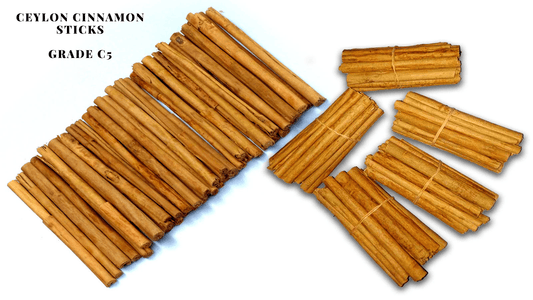
Ceylon cinnamon is Cinnamomum verum. It is valued for its delicate, sweet-woody profile and for generally having lower coumarin than common cassia types. That distinction is useful for buying and cooking—but it does not establish Ceylon cinnamon as a proven cholesterol therapy.
Choose the taste and botanical identity you prefer. Whole Ceylon quills are excellent for infusions and slow-cooked dishes; powder is convenient for baking and breakfast foods.
Use verified laboratory tests and clinician guidance. Do not use a cinnamon type, aroma or supplement label to self-manage high cholesterol.
Ceylon cinnamon and cholesterol FAQs
Can Ceylon cinnamon lower cholesterol?
Research on cinnamon supplements has mixed results. Some studies report changes in certain blood-lipid measures, while other results are inconsistent. Culinary Ceylon cinnamon powder, sticks and tea should not be treated as a cholesterol-lowering treatment or a replacement for clinician-directed care.
Is Ceylon cinnamon better than cassia for cholesterol?
Ceylon cinnamon and cassia are different botanical products. Ceylon cinnamon is Cinnamomum verum and is commonly chosen for its more delicate flavor and generally lower coumarin content. There is not enough product-specific evidence to say that Ceylon cinnamon is a proven cholesterol treatment or superior cholesterol therapy.
Can I replace cholesterol medicine with cinnamon?
No. Do not stop, start, reduce or replace prescribed cholesterol medicine with cinnamon, a supplement, or a food routine. Discuss changes to treatment with the clinician managing your cholesterol.
Can I use cinnamon essential oil for cholesterol?
No. Cinnamon essential oil is not a food ingredient and should not be added to drinks, capsules or recipes. Use culinary cinnamon sticks or powder for food preparation only.
What actually helps lower LDL cholesterol?
A clinician may recommend a combination of eating-pattern changes, physical activity, weight management where appropriate, smoking cessation, and cholesterol-lowering medicine based on the person’s full cardiovascular risk profile.
Can I use Ceylon cinnamon in a heart-aware meal plan?
Yes—as a culinary ingredient. Use it to add warm flavour to food and drinks that fit your own dietary needs, such as oats, fruit, yogurt, tea, roasted vegetables or baking.
Choose Ceylon cinnamon for flavour. Choose evidence-based care for cholesterol.
Build flavour into nourishing meals with genuine Ceylon cinnamon from Sri Lanka. For any cholesterol concern, use your lab results and a clinician-led plan—not a spice claim—as the guide.