How to Use Guava Leaves: Tea, Tradition & Everyday Uses
How to Use Guava Leaves: Tea, Taste & Tradition
Across the tropics, the guava tree gives twice — the fruit everyone knows, and the leaves that island households have quietly brewed for generations. Here's how to make guava leaf tea from dried leaves, what it actually tastes like, and how to choose and store them.
The other harvest of the guava tree.
Guava leaves come from Psidium guajava — the same tree behind the pink-fleshed fruit — an evergreen grown across Sri Lanka, South Asia, the Caribbean and Latin America. In Sinhala the tree is pera, and its leaves are a familiar household botanical: picked, dried in shade, and kept in the kitchen alongside the teas. Ours are grown in Sri Lanka and dried whole to keep the leaf intact.
Guava leaf infusions appear in folk traditions from Sri Lanka to Mexico to the Philippines — a leaf people have long brewed at home. We describe that tradition as history, not as medical advice: this is sold as a botanical tea, and no therapeutic outcome should be assumed from drinking it.
Guava leaf tea — simmered, not steeped.
Whole dried leaves are leathery, so a quick steep barely touches them. The traditional method is a gentle simmer — it's what turns the water amber-green and coaxes out the leaf's soft, earthy flavour.
Guava Leaf Tea
2 cups · ~14 minutes · naturally caffeine-free
Ingredients
- 4–5 dried guava leaves (about 1 heaped tablespoon if crumbled)
- 2 cups (16 oz) water
- Honey, lime or a slice of fresh ginger, to taste (optional)
Method
- Rinse the dried leaves briefly, then add to a small pot with the water.
- Bring to a gentle simmer and hold for 8–12 minutes, partially covered — longer gives a deeper, more tannic cup.
- Strain into cups. The infusion is amber-green with a mild, earthy aroma.
- Sweeten with honey, or brighten with lime or ginger. Also pleasant chilled over ice.
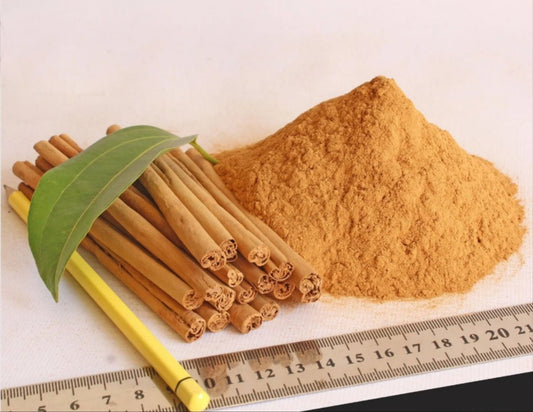
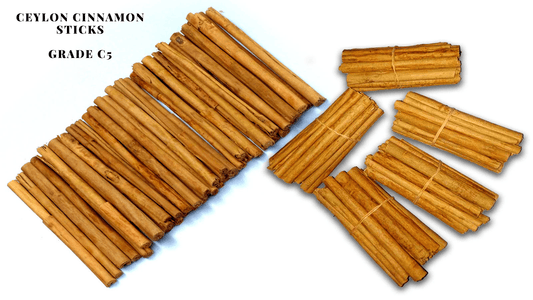
Guava leaf blends well: simmer with a slice of ginger for warmth, a piece of Ceylon cinnamon quill for sweetness, or a stalk of lemongrass for a citrus lift. It's a quiet base note that carries other flavours well.
What does it actually taste like?
Honest answer: subtle. If you're expecting fruit-punch guava, recalibrate — the leaf is its own thing.
The flavour
Mild, earthy, gently astringent — closer to a soft green tea than a fruit tea, with a faint fruity whisper that nods at the guava. Sweetener and lime flatter it.
Any-hour cup
Naturally caffeine-free — the guava tree is unrelated to the tea plant — so it works as an evening or all-day infusion.
Iced, it shines
Chilled with lime and a little honey, guava leaf tea becomes a clean, quietly tropical cooler — a lovely oddball next to hibiscus in a summer lineup.
Dried is the practical leaf — especially in the US.
Fresh guava leaves are essentially unavailable outside the tropics unless you grow a tree. Dried leaves are the form the tradition travels in.
-
1Dried works for everything simmered.
Tea and infusions take beautifully to shade-dried whole leaves. -
2Keeps a year or more.
Airtight, cool and dark, dried leaves hold their character across seasons. -
3Whole beats crushed.
Whole leaves stay fresher; crumble them only as they go into the pot.
What good dried guava leaves look like.
Quality is visible: whole olive-to-sage green leaves, shade-dried so the colour holds, with a clean herbal smell when you crush one.
Whole intact leaves (not crushed dust) · muted green colour, not brown · clean, faintly sweet herbal aroma · a seller who lab-tests — ours are batch-tested with certificates published.
Airtight jar or resealed pouch, cool and dark. Don't refrigerate (condensation), don't store in sunlight, and use a dry hand when taking leaves out.
Guava leaf FAQs
How do you make guava leaf tea?
Simmer 4–5 dried leaves in 2 cups of water for 8–12 minutes, then strain. Simmering — rather than just steeping — draws out the leaf's full character. Sweeten with honey or add lime or ginger; it's also good iced.
What does guava leaf tea taste like?
Mild, earthy and gently astringent with a faint fruitiness — closer to a soft green tea than a fruit tea. It's naturally caffeine-free.
Are dried guava leaves as good as fresh?
For tea, yes — dried leaves are the practical choice outside the tropics, where fresh is nearly impossible to find. Stored airtight, cool and dark, they keep for a year or more.
Is guava leaf tea caffeine-free?
Yes — the guava tree is unrelated to the tea plant, so the infusion is naturally 100% caffeine-free and suits any hour.
Can I drink it every day?
It's enjoyed as an everyday household infusion across the tropics. As with any botanical you plan to use regularly, check with a healthcare professional first if you're pregnant, nursing, on medication, or managing a health condition.
Where can I buy guava leaves in the USA?
Fresh leaves are rarely sold in US stores, but dried ship anywhere: our dried Ceylon guava leaves come farm-direct from Sri Lanka with tracked delivery to all US states, typically 8–12 days, with lab-tested batches.
The island leaf, dried the traditional way.
Whole dried Ceylon guava leaves — shade-dried, lab-tested by batch, and shipped farm-direct from Sri Lanka with tracking to the USA in 8–12 days. Sold as a botanical tea; brewed as tradition.
Keep reading: hibiscus tea, hot & iced · how to use pandan leaves · our recipes hub.