Ceylon Ginger Tea Benefits: Traditional Use, Taste & Everyday Brewing
Ceylon Ginger Tea Benefits: Traditional Use, Taste & Everyday Brewing
Ceylon ginger tea is a warm, spicy, caffeine-free herbal drink made by steeping ginger powder or ginger pieces in hot water.
It is traditionally enjoyed after meals, during cold-weather routines, in morning tea, and as part of spice blends like masala chai.
For everyday use, start with 1/4 to 1/2 teaspoon of Ceylon ginger powder per cup. Add honey, lemon, Ceylon cinnamon, turmeric, or black tea depending on the flavor you want.
Ceylon Ginger Powder for Tea, Chai & Cooking
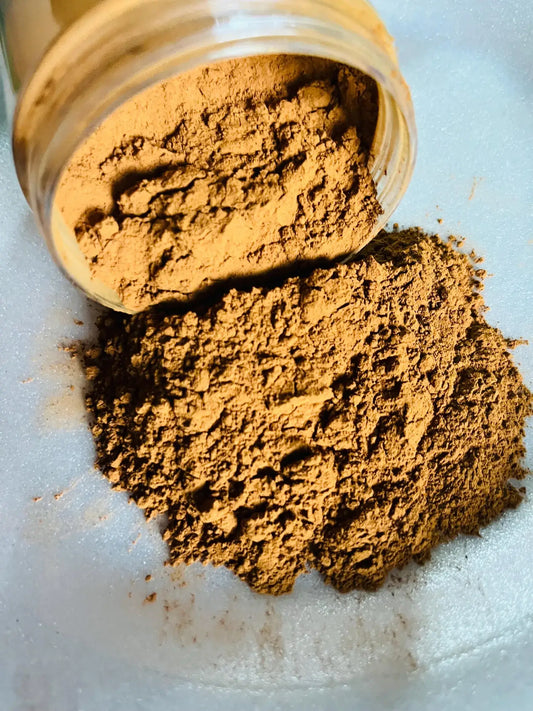
Use Ceylon ginger powder to make quick ginger tea, golden milk, masala chai, marinades, soups, baked goods, and warming spice blends.
Ginger tea is one of the easiest ways to enjoy a warming spice drink at home. It is simple, strong, naturally caffeine free when made without black tea, and easy to pair with honey, lemon, turmeric, cinnamon, or masala chai.
Ceylon ginger has a sharp, warm, aromatic flavor that works beautifully in tea, golden milk, curries, marinades, soups, cookies, and spice blends. If you want one spice that works in both drinks and cooking, ginger powder is one of the most useful pantry choices.
This guide explains the traditional benefits of Ceylon ginger tea, what it tastes like, how to brew it, how to pair it with turmeric and cinnamon, and which products to buy depending on your daily routine.
- What Is Ceylon Ginger Tea?
- What Does Ginger Tea Taste Like?
- Traditional Use of Ginger Tea
- Ceylon Ginger Tea Benefits: What We Can Safely Say
- How to Make Ginger Tea with Ginger Powder
- Best Ginger Tea Pairings
- Ginger Tea vs Masala Chai
- What to Check Before Buying Ginger Powder
- Safety & Use Notes
- Source Notes
- Frequently Asked Questions
What Is Ceylon Ginger Tea?
Ceylon ginger tea is an herbal infusion made with Sri Lankan ginger and hot water. You can make it with fresh ginger, dried ginger pieces, or ground ginger powder.
For convenience, Ceylon ginger powder is the easiest option. It mixes quickly, stores well, and works not only for tea but also for golden milk, masala chai, curries, soups, marinades, and baking.
Simple Buyer Definition
Ceylon ginger tea is a warming caffeine-free spice tea when made with ginger and hot water. If ginger is added to black tea or masala chai, the drink will contain caffeine because black tea contains caffeine.
What Does Ginger Tea Taste Like?
Ginger tea has a warm, spicy, slightly citrusy, earthy, and aromatic taste. It feels stronger than many light herbal teas because ginger has natural heat and sharpness.
| Flavor Note | What to Expect |
|---|---|
| Warm | Ginger creates a natural warming feeling in the cup. |
| Spicy | It has a sharper spice note than cinnamon or lemongrass. |
| Slightly citrusy | Ginger often has a fresh, bright edge, especially with lemon. |
| Earthy | Ground ginger has a deeper dry-spice flavor than fresh ginger. |
| Aromatic | It pairs well with cinnamon, turmeric, cardamom, cloves, and black tea. |
Taste Tip
If ginger tea tastes too sharp, add honey and Ceylon cinnamon. If it tastes too flat, add lemon. If you want a richer drink, make it with milk or coconut milk instead of water.
Traditional Use of Ginger Tea
Ginger has been used in traditional food and drink routines across Sri Lanka, India, China, Southeast Asia, and many other cultures. It is commonly used in warm drinks, spice blends, curries, soups, sweets, and after-meal recipes.
In a daily kitchen routine, ginger is commonly enjoyed:
- As a warm cup of ginger tea
- With honey and lemon
- In masala chai
- With turmeric and black pepper
- With Ceylon cinnamon in warm milk
- In soups, broths, and rice dishes
- In marinades for chicken, fish, beef, pork, and vegetables
- In baking, cookies, cakes, and desserts
Safe Traditional-Use Wording
It is okay to say ginger tea is traditionally enjoyed after meals or during cold-weather routines. Avoid saying it cures digestion problems, treats colds, heals inflammation, or replaces medical care.
Ceylon Ginger Tea Benefits: What We Can Safely Say
Ginger tea is popular because it is warm, flavorful, easy to prepare, and fits many daily routines. The safest way to talk about ginger tea benefits is to focus on traditional use, flavor, brewing, and everyday food use.
Everyday Benefits
- Warm caffeine-free drink when made without black tea
- Easy to make from powder
- Pairs well with honey, lemon, turmeric, and cinnamon
- Useful in both tea and cooking
- Strong flavor, so a small amount goes far
Traditional Use
- Commonly enjoyed after meals
- Used in warming spice drinks
- Used in chai and spice blends
- Used in soups and broths
- Used in golden milk-style recipes
Ginger tea is a food and beverage product, not a medicine. Do not present ginger tea as a cure, treatment, or replacement for medical care.
How to Make Ginger Tea with Ginger Powder
Simple Ceylon Ginger Tea Recipe
Ingredients
- 1/4 to 1/2 teaspoon Ceylon ginger powder
- 8 to 10 oz hot water
- Optional: honey, lemon, Ceylon cinnamon, turmeric, or black pepper
Steps
1Add ginger powder
Add 1/4 teaspoon ginger powder to a cup if you are new to ginger tea. Use up to 1/2 teaspoon if you want a stronger cup.
2Pour hot water
Pour hot water over the ginger powder and stir well.
3Steep and settle
Let it steep for 5 to 7 minutes. Ginger powder may settle at the bottom, so stir again before drinking.
4Add flavor
Add honey for sweetness, lemon for brightness, cinnamon for warmth, or turmeric for a golden spice blend.
Brewing Strength Guide
| Strength | Amount | Best For |
|---|---|---|
| Light | 1/4 teaspoon ginger powder | First-time drinkers and mild tea |
| Medium | 1/3 teaspoon ginger powder | Balanced daily cup |
| Strong | 1/2 teaspoon ginger powder | Experienced ginger tea drinkers |
Best Ginger Tea Pairings
Ginger is powerful on its own, but it becomes more enjoyable when paired with the right spice or tea base.
| Pairing | Best Product | Flavor Result |
|---|---|---|
| Ginger + Cinnamon | Ceylon Cinnamon | Warm, sweet, smooth, comforting |
| Ginger + Turmeric | Ceylon Turmeric | Earthy, golden, warming, bold |
| Ginger + Black Tea | Masala Chai Tea | Strong, caffeinated, spiced tea |
| Ginger + Lemon | Fresh lemon | Bright, citrusy, sharper |
| Ginger + Honey | Honey | Smoother and sweeter |
Ginger + Turmeric + Cinnamon
For a simple warming pantry, keep Ceylon ginger, Ceylon turmeric, and Ceylon cinnamon together. Use them in tea, golden milk, oatmeal, smoothies, curries, soups, and baking.
Ginger Tea vs Masala Chai
Ginger tea and masala chai are not the same. Ginger tea can be caffeine free when made only with ginger and water. Masala chai usually contains black tea, which means it contains caffeine.
| Drink | Caffeine? | Best For |
|---|---|---|
| Pure ginger tea | No, if made only with ginger and water | Evening, caffeine-free routine, simple herbal tea |
| Ginger + turmeric tea | No, unless black tea is added | Golden spice tea and warming routines |
| Ginger + cinnamon tea | No, unless black tea is added | Warm, naturally sweet spice tea |
| Masala chai | Yes, if made with black tea | Morning, milk tea, bold spiced tea |
Which Should You Buy?
Choose Ceylon ginger powder if you want a caffeine-free tea and cooking spice. Choose Masala Chai Tea if you want a bold caffeinated black tea with warming spices.
What to Check Before Buying Ginger Powder
Ginger powder is simple, but quality still matters. Old or weak ginger powder can taste dusty, flat, or overly bitter.
| Buyer Check | Why It Matters |
|---|---|
| Clear origin | Origin helps buyers understand where the ginger comes from. |
| Strong aroma | Good ginger powder should smell warm, spicy, and fresh. |
| Fine powder | Useful for tea, golden milk, baking, marinades, and spice blends. |
| Sealed packing | Helps protect aroma and reduce moisture exposure. |
| Responsible wording | Avoid sellers making cure or disease-treatment claims. |
| Useful recipe guidance | Good product pages should help buyers use ginger in real drinks and food. |
Safety & Use Notes
Ginger is commonly used as a culinary spice and tea ingredient. Normal food use is different from taking high-dose ginger supplements or concentrated extracts.
Be more cautious with regular or concentrated ginger use if you are:
- Pregnant or breastfeeding
- Taking medication
- Taking blood thinners
- Managing gallbladder, bleeding, digestive, or blood pressure concerns
- Preparing for surgery
- Using multiple herbal supplements
This article is about ginger as tea and food. Do not use ginger tea as a replacement for medical care. Speak with a qualified healthcare professional before using ginger products regularly if you are taking medication or managing a medical condition.
Source Notes
NCCIH: Ginger has been used safely in many research studies, but it may cause side effects such as abdominal discomfort, heartburn, diarrhea, and mouth or throat irritation in some people.
FDA claim safety: Food and supplement content should not claim that a product diagnoses, treats, cures, or prevents disease unless it is approved for that use.
Buyer takeaway: Ginger tea should be positioned as a warming food and beverage, not as a medicine.
Frequently Asked Questions
Ceylon ginger tea is commonly enjoyed as a warming herbal drink. It is traditionally used after meals, in cold-weather routines, in spice blends, and in drinks like masala chai and golden milk. It should be presented as a food and beverage, not as a medical treatment.
Ceylon ginger tea tastes warm, spicy, slightly citrusy, earthy, and aromatic. It is stronger than light herbal teas and sharper than cinnamon tea.
Add 1/4 to 1/2 teaspoon of Ceylon ginger powder to a cup, pour hot water over it, stir well, steep for 5 to 7 minutes, then add honey, lemon, cinnamon, or turmeric if desired.
Yes. Ginger and Ceylon turmeric are commonly paired in golden milk, herbal tea, soups, curries, and warming recipes. Add cinnamon, honey, or black pepper depending on the flavor you want.
Yes. Ginger is one of the classic warming spices used in masala chai. You can use Masala Chai Tea or add a small amount of ginger powder to black tea with cinnamon, cardamom, cloves, and milk.
Pure ginger tea made only with ginger and hot water is naturally caffeine free. Ginger used in masala chai or black tea blends will contain caffeine because black tea contains caffeine.
Many people enjoy ginger tea as part of a normal food and beverage routine. Use moderate culinary amounts. If you are pregnant, breastfeeding, taking medication, preparing for surgery, or managing a medical condition, speak with a qualified healthcare professional before using ginger regularly or in concentrated amounts.
Buy ginger powder if you want a flexible caffeine-free spice for tea and cooking. Buy masala chai if you want a ready spiced black tea with ginger and other warming spices.
Final Recommendation
Ceylon ginger tea is best for buyers who want a warm, spicy, aromatic drink that works in both tea and cooking. It is naturally caffeine free when made only with ginger and hot water, and it pairs well with turmeric, cinnamon, honey, lemon, and masala chai.
Recommended products:
- Ceylon Ginger Powder — best for ginger tea, cooking, baking, and golden milk
- Masala Chai Tea — best for bold spiced black tea
- Ceylon Turmeric — best golden pairing with ginger
- Ceylon Cinnamon — best sweet warming spice pairing
For most first-time buyers, start with Ceylon ginger powder. It is the most flexible option because you can use it in tea, chai, golden milk, curries, soups, marinades, and baking.
Disclaimer: This article is for informational and product-selection purposes only and does not constitute medical advice. Ginger tea and ginger powder are foods and beverages, not medicines. These products are not intended to diagnose, treat, cure, or prevent any disease. Speak with a qualified healthcare professional before using ginger products regularly if you are pregnant, breastfeeding, taking medication, preparing for surgery, or managing a medical condition.