Health Benefits of Ceylon Cinnamon vs Cassia
Ceylon Cinnamon vs Cassia: Which Cinnamon Should You Actually Use?
⚡ TL;DR
- Ceylon cinnamon (Cinnamomum verum) = "true cinnamon." From Sri Lanka. Ultra-low coumarin (0.004%). Safe for daily therapeutic use up to 6g.
- Cassia cinnamon (Cinnamomum cassia) = common grocery store cinnamon. From China/Indonesia. High coumarin (1–8%). Liver toxicity risk at therapeutic doses.
- The coumarin problem: 1 teaspoon of Cassia can exceed the European Food Safety Authority's safe daily coumarin limit. 1 teaspoon of Ceylon is 350× below the limit.
- Both lower blood sugar. But only Ceylon is safe enough to take daily at the doses that actually work (1–6g/day for 8–12 weeks).
- If you're using cinnamon medicinally — for blood sugar, cholesterol, inflammation — Cassia is not an option. The doses required would damage your liver.
- For occasional cooking: Cassia is fine. For daily health use: Ceylon cinnamon only.
Table of Contents
- What's the Actual Difference?
- The Coumarin Problem (Why This Matters)
- Master Comparison Table
- Blood Sugar & Diabetes: Head-to-Head
- Cardiovascular Health
- Anti-Inflammatory Effects
- Antioxidant Power
- Brain & Cognitive Protection
- Liver Safety: The Dealbreaker
- How to Identify Real Ceylon Cinnamon
- Dosage: Ceylon vs Cassia
- Best Ways to Use Ceylon Cinnamon Daily
- Frequently Asked Questions
What's the Actual Difference?
Ceylon cinnamon and Cassia cinnamon come from different species of tree. They're related — both in the Cinnamomum genus — but they're as different as a lemon and an orange. Same family, very different chemistry.
| Feature | Ceylon Cinnamon | Cassia Cinnamon |
|---|---|---|
| Scientific name | Cinnamomum verum (literally "true cinnamon") | Cinnamomum cassia |
| Origin | Sri Lanka (95% of world supply) | China, Indonesia, Vietnam |
| Color | Light tan-brown | Dark reddish-brown |
| Stick structure | Multiple thin, papery layers (cigar-like) | Thick, single-layer bark curl |
| Texture | Soft, crumbly, fragile | Hard, dense, difficult to grind |
| Flavor | Complex, subtle, sweet with citrus notes | Strong, spicy, one-dimensional "hot cinnamon" |
| Market share | ~5–10% of global cinnamon market | ~90% (the default "cinnamon" everywhere) |
The labeling trap
If a product says "cinnamon" without specifying "Ceylon" or "Cinnamomum verum," it's Cassia. Every time. No exception. Spice companies aren't required to distinguish between species — they all go under "cinnamon." This is why you need to specifically seek out certified Ceylon cinnamon if you want the real thing.
The Coumarin Problem (Why This Matters)
Coumarin is a naturally occurring compound found in both cinnamon types — but at vastly different concentrations. It's the single most important factor in the Ceylon vs Cassia debate, and it's the reason health authorities have issued specific warnings about Cassia.
| Coumarin Metric | Ceylon | Cassia |
|---|---|---|
| Coumarin content | 0.004% | 1–8% (250–2,000× more) |
| Coumarin per teaspoon | ~0.02mg | 7–18mg |
| EFSA safe daily limit (70kg adult) | Can drink 350+ cups of tea and stay under limit | 1 teaspoon may exceed the limit |
| Liver toxicity risk | None at any reasonable dose | Documented at therapeutic doses (2–6g/day) |
High coumarin intake from Cassia has been specifically linked to:
- Hepatotoxicity (liver damage) — the most documented and serious risk. German health authorities issued warnings after cases of liver damage in people using Cassia cinnamon supplements.
- Increased bleeding risk — coumarin is chemically related to warfarin (a blood thinner). Combining Cassia with anticoagulant medications amplifies bleeding risk.
- Kidney stress — with long-term high-dose use
- Drug interactions — particularly with diabetes medications, blood thinners, and liver-metabolized drugs
Master Comparison: Every Factor That Matters
| Health Factor | Ceylon Cinnamon | Cassia Cinnamon | Winner |
|---|---|---|---|
| Blood sugar reduction | 10.3% fasting glucose reduction (3g/day, 8 weeks) | Similar glucose-lowering effect | Tie on effect; Ceylon on safety |
| Cholesterol reduction | LDL reduction 9–31% | Comparable lipid improvements | Tie on effect; Ceylon on safety |
| Anti-inflammatory | 25% CRP reduction (2g/day, 12 weeks) | Similar anti-inflammatory markers | Ceylon (safe for 12+ week protocols) |
| Antioxidant power | Higher ORAC values, more proanthocyanidins | Moderate ORAC values | Ceylon |
| Brain health | Crosses blood-brain barrier, tau protein inhibition | Some neuroprotective effects | Ceylon (studied specifically) |
| Antimicrobial | Good — cinnamaldehyde + eugenol | Strong — higher cinnamaldehyde (80–90%) | Cassia (more cinnamaldehyde) |
| Liver safety | ✅ Excellent — protective | ❌ Damaging at therapeutic doses | Ceylon (not close) |
| Safe daily dose | Up to 6g/day long-term | Maximum 1g/day short-term | Ceylon (6× higher safe dose) |
| Long-term use | ✅ Safe indefinitely | ⚠️ Limited to 2–3 months max | Ceylon |
| Flavor | Complex, delicate, naturally sweet | Strong, spicy, familiar | Personal preference |
| Price | $15–25/oz (premium) | $2–5/oz (commodity) | Cassia (if cost is only factor) |
The verdict
Cassia wins on one factor: price. Ceylon wins on virtually everything else — and critically, on every factor that matters for health. The health benefits of cinnamon are real, but they require doses and durations that only Ceylon can deliver safely.
Blood Sugar & Diabetes: Head-to-Head
Blood sugar regulation is cinnamon's most-studied health benefit, with dozens of clinical trials. Both types work — but the safety gap makes this a one-sided comparison for anyone using cinnamon therapeutically.
Clinical Trial (2013): 3 grams of Ceylon cinnamon daily for 8 weeks produced a 10.3% reduction in fasting blood glucose.
Source: International Journal of Preventive Medicine, 2013
Meta-Analysis (2019): Analysis of 18 studies found cinnamon supplementation reduced fasting blood glucose by an average of 24.6 mg/dL in people with type 2 diabetes.
Source: Journal of the Academy of Nutrition and Dietetics, 2019
Systematic Review (2019): Across 18 studies, Ceylon cinnamon significantly reduced fasting blood glucose, with effects appearing within 4–16 weeks of daily use. Mechanism: enhanced insulin receptor sensitivity + improved glucose uptake by muscle cells.
Source: Journal of Evidence-Based Integrative Medicine, 2019
The mechanism: Cinnamaldehyde and procyanidin type-A polymers in cinnamon mimic insulin activity, helping muscle cells absorb glucose from the bloodstream. Both types contain these compounds. But the effective dose range (1–6g/day for 8–16 weeks) is only safely achievable with Ceylon.
For daily blood sugar support, drink Ceylon cinnamon herbal tea after meals to blunt post-meal glucose spikes, and add Ceylon cinnamon powder to morning oatmeal or smoothies for sustained release. The Thebu (Insulin Plant) Tea provides complementary blood sugar support through a different mechanism.
Cardiovascular Health
Cinnamon's cardiovascular benefits are documented across multiple clinical trials:
| Cardiovascular Marker | Documented Reduction | Timeframe |
|---|---|---|
| Total cholesterol | 7–27% | 6–12 weeks |
| LDL ("bad") cholesterol | 9–31% | 6–12 weeks |
| Triglycerides | 23–30% | 6–12 weeks |
| Systolic blood pressure | 5.4 mmHg average | 1.5g daily protocol |
| Diastolic blood pressure | 2.6 mmHg average | 1.5g daily protocol |
Meta-Analysis (2020): 13 randomized controlled trials confirmed that cinnamon supplementation (1–6g daily) significantly improved all major cardiovascular risk markers.
Source: Nutrition Research, 2020
For heart health, Ceylon cinnamon tea pairs powerfully with lemongrass tea — which lowers cholesterol through a completely different mechanism (HMG-CoA reductase inhibition, the same enzyme statins target). Using both creates a dual-pathway approach to cardiovascular support. A golden milk latte with Ceylon cinnamon and turmeric adds a third anti-inflammatory pathway.
Anti-Inflammatory Effects
Chronic inflammation drives heart disease, diabetes, cancer, Alzheimer's, and autoimmune conditions. Cinnamon's anti-inflammatory compounds — cinnamaldehyde and eugenol — inhibit NF-κB and COX-2, two of the body's primary inflammatory pathways.
Clinical Trial (2018): 2 grams of Ceylon cinnamon daily for 12 weeks produced a 25% reduction in C-reactive protein (CRP) and significant decreases in interleukin-6 (IL-6).
Source: Molecular Nutrition & Food Research, 2018
Why Ceylon wins here: Anti-inflammatory protocols require consistent, long-term use (minimum 4–8 weeks, ideally ongoing). Cassia's coumarin makes long-term use dangerous. Ceylon's negligible coumarin makes it safe for indefinite daily anti-inflammatory support.
For comprehensive inflammation management, combine Ceylon cinnamon with soursop leaf tea (acetogenin-mediated anti-inflammatory, completely different pathway) and moringa tea (contains 36 documented anti-inflammatory compounds).
Antioxidant Power
Ceylon cinnamon has one of the highest ORAC (Oxygen Radical Absorbance Capacity) values of any spice — exceeding most fruits and vegetables. Its key antioxidant compounds:
| Compound | Function | Ceylon vs Cassia |
|---|---|---|
| Proanthocyanidins | Cardiovascular protection, blood vessel strength | Ceylon has more |
| Cinnamaldehyde | Prevents lipid oxidation, protects cell membranes | Cassia has more (80–90% vs 50–65%) |
| Epicatechin | Brain health (same compound as dark chocolate) | Ceylon has more |
| Eugenol | Anti-inflammatory + antimicrobial | Ceylon has significantly more |
| Overall ORAC score | Total antioxidant capacity | Ceylon higher overall |
For maximum antioxidant coverage, pair Ceylon cinnamon with Amla (Indian Gooseberry) tea — one of nature's richest vitamin C sources — and Butterfly Pea Flower tea, loaded with anthocyanins.
Brain & Cognitive Protection
Neuroprotection Study (2020): Ceylon cinnamon compounds cross the blood-brain barrier and provide neuroprotective effects, potentially slowing Alzheimer's progression by preventing tau protein aggregation.
Source: Journal of Neuroimmune Pharmacology, 2020
The brain-health mechanism includes improved cerebral blood flow, reduced neuroinflammation, enhanced neurotransmitter function, and tau protein inhibition. For comprehensive brain support, combine with Gotu Kola tea (supports BDNF production for new neuron growth) and Butterfly Pea Flower tea (anthocyanins for cognitive function).
Liver Safety: The Dealbreaker
This single factor settles the debate
Cassia cinnamon at therapeutic doses (2–6g daily) delivers coumarin levels that can cause liver enzyme elevation, hepatocellular damage, and — in documented cases — clinical hepatotoxicity. The German Federal Institute for Risk Assessment (BfR) issued specific warnings after cases of liver damage were linked to Cassia cinnamon products.
Ceylon cinnamon at the same doses delivers coumarin levels so low they're barely detectable. A study in Hepatology Research (2020) showed Ceylon cinnamon actually protects liver cells from oxidative damage while supporting natural detoxification pathways. One variety damages the liver; the other protects it.
For liver and detox support alongside Ceylon cinnamon, consider Amla detox tea (liver-supporting) and Iramusu tea (traditional Ayurvedic blood purifier and liver tonic).
How to Identify Real Ceylon Cinnamon
| Test | Ceylon (True Cinnamon) | Cassia (Common Cinnamon) |
|---|---|---|
| Stick structure | Multiple thin layers rolled together, like a cigar | Single thick bark layer, curled into a tube |
| Snap test | Crumbles easily in your fingers | Hard — difficult to break by hand |
| Color | Light tan-brown | Dark reddish-brown |
| Taste test | Mild, complex, subtly sweet with citrus notes | Strong, spicy, "hot cinnamon" burn |
| Label check | Says "Ceylon," "True Cinnamon," or "Cinnamomum verum" | Just says "Cinnamon" (default = Cassia) |
| Origin | Sri Lanka | China, Indonesia, or Vietnam |
| Price | Significantly more expensive | Cheap — if it's suspiciously affordable, it's Cassia |
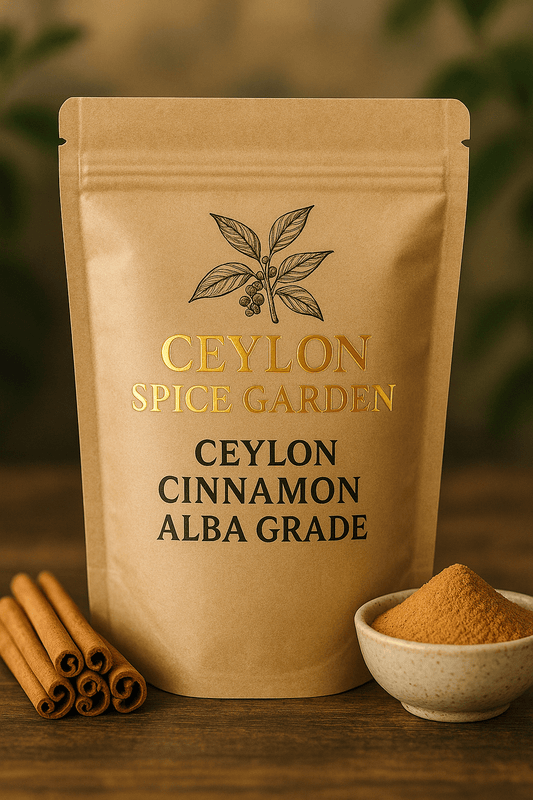
Alba grade is the highest quality of Ceylon cinnamon — thin, uniform, light-colored quills with the mildest, most complex flavor. It's the gold standard for both culinary and medicinal use.
Dosage: Ceylon vs Cassia
| Health Goal | Ceylon Daily Dose | Cassia Safe Limit | Best Form |
|---|---|---|---|
| General wellness | 0.5–2g (ongoing) | 0.5–1g (limited duration) | Herbal tea |
| Blood sugar support | 1–6g for 8–12+ weeks | ❌ Unsafe at effective doses | Powder with meals |
| Cardiovascular health | 1–3g for 6–12 weeks | ⚠️ Marginal safety (1g max) | Powder + tea |
| Anti-inflammatory | 2–4g for 4–8+ weeks | ❌ Unsafe at effective doses | Powder or standardized extract |
| Weight management | 3–6g for 12+ weeks | ❌ Unsafe at effective doses | Powder before meals |
Notice the pattern: every health goal requiring doses above 1g/day or protocols longer than a few weeks makes Cassia unsafe. Ceylon is the only option for therapeutic cinnamon use.
Best Ways to Use Ceylon Cinnamon Daily
| Method | Product | Best For |
|---|---|---|
| After-meal tea | Ceylon Cinnamon Herbal Tea | Post-meal blood sugar control, easiest daily habit, caffeine-free |
| Morning smoothie/oatmeal | Ceylon Cinnamon Powder | Higher therapeutic doses, precise measurement, versatile |
| Golden milk latte | Alba Grade Cinnamon Sticks | Premium ritual, golden milk recipe, cinnamon + turmeric synergy |
| Warming chai | Masala Chai Blend | Multi-spice metabolic benefit (cinnamon + ginger + black pepper + cloves) |
| Cinnamon leaf tea | Ceylon Cinnamon Leaf Tea | Milder flavor, higher eugenol (anti-inflammatory), gentle daily option |
Frequently Asked Questions
For daily health use — absolutely, non-negotiably yes. The price difference exists because Ceylon cinnamon is rarer (5% of global market), harder to grow, sustainably harvested in Sri Lanka, and contains 250× less liver-toxic coumarin. If you're using cinnamon therapeutically (1–6g daily for blood sugar, cholesterol, or inflammation), Cassia is literally unsafe at those doses. You'd be saving money while damaging your liver. The premium for authentic Ceylon cinnamon is the cost of safety. For occasional baking, the distinction matters less.
Up to 6 grams daily (about 1 tablespoon) of Ceylon cinnamon is considered safe for healthy adults based on its negligible coumarin content. Most people find 1–3 grams (1/2 to 1.5 teaspoons) sufficient for health benefits. Start with 0.5–1g and increase gradually. For comparison, Cassia's safe limit is approximately 1 gram — beyond which liver toxicity risk increases. Ceylon cinnamon tea (1–2 cups daily) is the easiest way to maintain a consistent dose.
Yes — immediately. Ceylon cinnamon has a complex, subtly sweet, delicate flavor with citrus undertones. Cassia has a strong, spicy, "hot cinnamon" burn — the flavor most people associate with cinnamon because it's all they've ever tasted. If your cinnamon tastes intense and one-dimensional, it's Cassia. If it tastes nuanced and you can detect sweetness without heat, it's Ceylon. Alba grade Ceylon cinnamon has the most refined, mildest flavor of any cinnamon variety.
Ceylon cinnamon supports weight management through three mechanisms: improving insulin sensitivity (less fat storage), thermogenic effect (mild increase in calorie expenditure), and blood sugar stabilization (fewer cravings). A 12-week study showed participants taking Ceylon cinnamon had greater reductions in waist circumference and body fat percentage. It's not a magic weight loss pill — it works best as part of a consistent nutrition and exercise plan. For enhanced metabolic support, combine with Advanced Metabolism Support Tea.
Normal culinary amounts of Ceylon cinnamon (1/2 teaspoon or less daily) are generally considered safe during pregnancy. Therapeutic doses should be avoided without medical supervision. Ceylon's ultra-low coumarin makes it significantly safer than Cassia during pregnancy — but "caffeine-free" and "low coumarin" don't mean "medicinal doses are fine during pregnancy." Always consult your ob-gyn before using any herb medicinally while pregnant or breastfeeding.
Ceylon cinnamon has much lower coumarin (which has blood-thinning properties) than Cassia, but caution is still warranted. Small culinary amounts are likely fine. Regular therapeutic doses (2–6g daily) should be discussed with your doctor, who can monitor your INR or clotting times. This is especially important with warfarin, heparin, aspirin, or other anticoagulants. Cassia cinnamon should be strictly avoided with blood thinners due to its high coumarin content.
Store in an airtight container in a cool, dark place away from heat, humidity, and strong-smelling spices. Whole Ceylon cinnamon sticks maintain potency for 3–4 years; ground powder stays fresh for 2–3 years. Buy in smaller quantities and replace regularly. If your ground cinnamon has lost its sweet, fragrant aroma, it's lost potency and should be replaced. Don't refrigerate — condensation can degrade the essential oils.
Three reasons: scarcity (Ceylon cinnamon is only 5–10% of global production, grown almost exclusively in Sri Lanka), labor-intensive processing (the thin bark must be carefully hand-peeled and layered, vs Cassia's simple thick bark harvest), and superior chemistry (the growing conditions, soil, and climate of Sri Lanka produce the highest-quality cinnamaldehyde and the lowest coumarin levels). You're paying for safety, quality, and the fact that Cinnamomum verum simply cannot be mass-produced the way Cassia can.
The Bottom Line
For occasional cooking and baking, Cassia cinnamon is acceptable. For daily health use — blood sugar, cholesterol, inflammation, brain health, antioxidant support — there is no debate. Ceylon cinnamon is the only variety that can be used at therapeutic doses, for therapeutic durations, without risking liver damage. The price premium isn't a luxury — it's the cost of using cinnamon the way the science says it actually works.
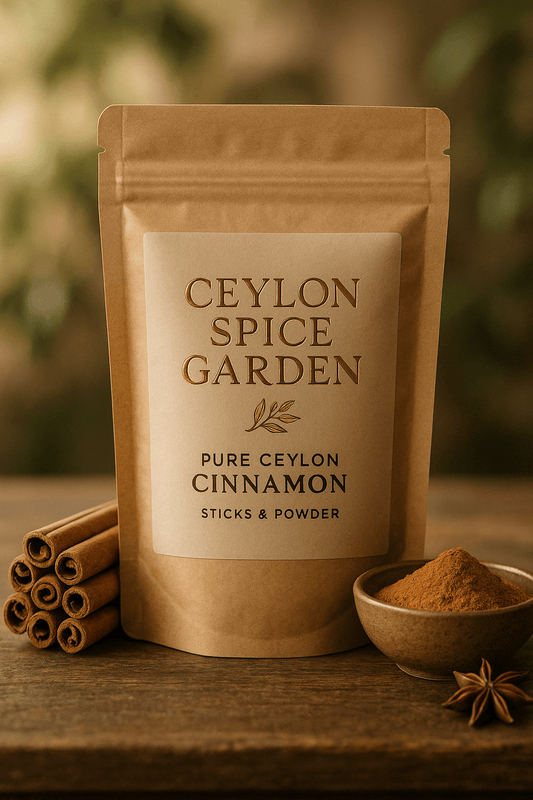
Shop Organic Ceylon Cinnamon Powder & Sticks →