Health Benefits of Ceylon Cinnamon vs Cassia
Ceylon Cinnamon vs Cassia: Health Benefits, Coumarin & Which One Should You Buy?
Ceylon cinnamon, also called Cinnamomum verum or “true cinnamon,” is naturally much lower in coumarin than Cassia cinnamon, the stronger and cheaper cinnamon commonly sold in supermarkets.
Both types contain aromatic cinnamon compounds, but Ceylon cinnamon is the better choice for daily use because it has a gentler flavor and a wider safety margin for people who add cinnamon to coffee, tea, oatmeal, smoothies, or recipes every day.
If you use cinnamon regularly, choose lab-tested Ceylon cinnamon from Sri Lanka. If you only bake occasionally and prefer a strong cinnamon punch, Cassia may be acceptable in small culinary amounts.
Lab-Tested Ceylon Cinnamon from Sri Lanka
Our Ceylon cinnamon is sourced from Sri Lanka, vacuum packed for freshness, and supported by lab testing for authenticity, coumarin, heavy metals, and microbiological safety.
Most people use the word “cinnamon” as if it means one ingredient. In reality, the cinnamon on a supermarket shelf is usually Cassia, while true Ceylon cinnamon comes from Cinnamomum verum, a different cinnamon species traditionally associated with Sri Lanka.
The difference matters most if you use cinnamon often. Cassia cinnamon has a bold, spicy flavor and is cheaper to produce. Ceylon cinnamon is milder, sweeter, more delicate, and naturally much lower in coumarin — the compound behind most cinnamon safety discussions.
This guide compares Ceylon cinnamon and Cassia cinnamon by flavor, coumarin, health benefit research, daily-use safety, product choice, and how to avoid buying the wrong cinnamon online.
- What Is the Difference Between Ceylon Cinnamon and Cassia?
- Coumarin: The Safety Difference
- Ceylon vs Cassia Comparison Table
- Health Benefits: What Cinnamon May Support
- Which Cinnamon Is Better for Daily Use?
- How to Identify Real Ceylon Cinnamon
- Which Cinnamon Product Should You Buy?
- Source Notes
- Frequently Asked Questions
What Is the Difference Between Ceylon Cinnamon and Cassia?
Ceylon cinnamon and Cassia cinnamon come from different cinnamon species. They are related, but they are not the same ingredient.
| Feature | Ceylon Cinnamon | Cassia Cinnamon |
|---|---|---|
| Botanical name | Cinnamomum verum | Cinnamomum cassia and related Cassia types |
| Common name | True cinnamon | Regular supermarket cinnamon |
| Main origin | Sri Lanka | China, Indonesia, Vietnam, and other regions |
| Flavor | Mild, sweet, delicate, slightly citrusy | Strong, spicy, sharper, hotter |
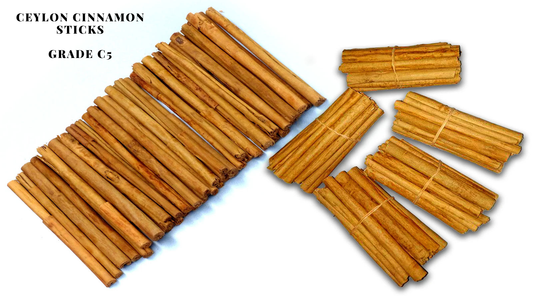
| Stick structure | Thin, paper-like layers rolled together | Thick, hard bark rolled into one scroll-like piece |
| Coumarin level | Naturally low | Naturally much higher |
| Best use | Daily use, premium recipes, tea, coffee, smoothies | Occasional baking and strong cinnamon flavor |
The Simple Label Rule
If a product only says “cinnamon” and does not mention Ceylon, true cinnamon, Cinnamomum verum, or Sri Lanka, it is usually safer to assume it is Cassia. If you want Ceylon cinnamon, look for clear origin, species name, and lab testing.
Coumarin: The Safety Difference
Coumarin is a natural aromatic compound found in cinnamon. The issue is not normal occasional spice use. The concern is regular high intake, especially from Cassia cinnamon, because Cassia naturally contains much more coumarin than Ceylon cinnamon.
The European Food Safety Authority established a tolerable daily intake for coumarin of 0.1 mg per kilogram of body weight per day. For a 70 kg adult, that equals about 7 mg per day.
Germany’s Federal Institute for Risk Assessment notes that Cassia cinnamon contains coumarin in relatively high concentrations, and that especially sensitive people may experience liver effects from comparatively small coumarin amounts. NCCIH also notes that prolonged use of Cassia cinnamon could be an issue for sensitive people, such as those with liver disease.
| Coumarin Question | Ceylon Cinnamon | Cassia Cinnamon |
|---|---|---|
| Natural coumarin level | Low | Much higher |
| Better for daily use? | Yes | Use more caution with daily high intake |
| Best buyer type | Daily cinnamon users | Occasional bakers |
| Best proof | Species name + origin + lab testing | Usually sold simply as “cinnamon” |
If you have a liver condition, take medication, use blood thinners, are pregnant, or plan to use cinnamon in high daily amounts, speak with a qualified healthcare professional first. Cinnamon is a food ingredient, not a replacement for medical treatment.
Ceylon vs Cassia Comparison Table
| Factor | Ceylon Cinnamon | Cassia Cinnamon | Best Choice |
|---|---|---|---|
| Daily use | Better suited because of low coumarin | More caution needed with high daily intake | Ceylon |
| Flavor | Soft, sweet, delicate | Strong, spicy, familiar | Depends on taste |
| Tea and infusions | Excellent | Can be too strong or harsh | Ceylon |
| Baking | Premium, delicate flavor | Strong classic cinnamon flavor | Depends on recipe |
| Coumarin concern | Low concern in normal use | Higher concern with regular high intake | Ceylon |
| Price | Higher | Lower | Cassia if price is the only factor |
| Premium gifting | Best choice, especially Alba grade | Less premium appearance | Ceylon |
The Verdict
Cassia wins on price and strong cinnamon flavor. Ceylon wins for daily use, premium quality, delicate flavor, lower coumarin, and long-term buyer confidence.
For occasional baking, Cassia can be acceptable. For daily coffee, tea, oatmeal, smoothies, and wellness routines, Ceylon cinnamon is the better choice.
Health Benefits: What Cinnamon May Support
Cinnamon has been studied for several areas of wellness, especially blood sugar support, antioxidant activity, and metabolic health markers. However, research results can vary depending on cinnamon type, dose, study length, and the health status of the people studied.
The safest way to talk about cinnamon is this: cinnamon may support a healthy lifestyle, but it should not be used to diagnose, treat, cure, or prevent disease. It should not replace medication, diet changes, or medical advice.
1. Blood Sugar Support
Cinnamon is widely studied for blood sugar and insulin-related markers. This is one reason many people add cinnamon to breakfast, coffee, tea, and smoothies. For daily use, Ceylon cinnamon is preferred because it gives you cinnamon flavor and plant compounds while keeping coumarin intake much lower than Cassia.
Best Product for Daily Blood Sugar-Conscious Routines
Choose Ceylon cinnamon powder for oatmeal, smoothies, coffee, and recipes. Choose Ceylon cinnamon tea if you want a simple daily tea-bag option.
2. Antioxidant Compounds
Cinnamon contains aromatic compounds and polyphenols that contribute to its antioxidant profile. Ceylon cinnamon is popular among daily users because it has a softer taste that is easy to use consistently.
3. Digestive and After-Meal Use
Many people enjoy cinnamon after meals because of its warm, comforting taste. Ceylon cinnamon sticks and tea bags work especially well for after-meal infusions because the flavor is gentle and not harsh.
4. Flavor, Cravings, and Daily Ritual
Cinnamon can make unsweetened foods taste naturally sweeter. Adding Ceylon cinnamon to coffee, oatmeal, yogurt, or tea can help create a satisfying daily ritual without relying heavily on added sugar.
5. Chai and Multi-Spice Blends
Cinnamon pairs well with ginger, cardamom, cloves, and black pepper. If you want cinnamon inside a ready-to-brew blend, Masala Chai Tea is a stronger spiced option, while Ceylon Cinnamon Tea is simpler and caffeine-free.
Which Cinnamon Is Better for Daily Use?
Ceylon cinnamon is better for daily use. The reason is simple: it is naturally much lower in coumarin while still giving you real cinnamon flavor.
Choose Ceylon cinnamon if you use cinnamon in:
- Morning coffee
- Oatmeal or porridge
- Smoothies
- Tea
- Golden milk
- Yogurt
- Daily recipes
- Long-term pantry use
Choose Cassia only if you use cinnamon occasionally and want a very strong cinnamon flavor for baking.
How to Identify Real Ceylon Cinnamon
Cinnamon sticks are much easier to identify than cinnamon powder. Powder can look similar even when the species is different.
| Check | Ceylon Cinnamon | Cassia Cinnamon |
|---|---|---|
| Stick structure | Many thin layers rolled together | One thick, hard bark layer |
| Color | Light tan-brown | Darker reddish-brown |
| Texture | Delicate and easier to break | Hard and difficult to break |
| Taste | Mild, sweet, delicate | Strong, spicy, sharp |
| Label | Ceylon, true cinnamon, Cinnamomum verum, Sri Lanka | Often just says “cinnamon” |
| Powder verification | Lab testing is best | Visual check is unreliable |
Powder Buyer Warning
For cinnamon powder, do not rely only on color, smell, or taste. If you use cinnamon powder daily, look for origin, species name, and third-party lab testing. This is why we publish our lab testing and Certificates of Analysis.
Which Cinnamon Product Should You Buy?
The best cinnamon product depends on how you plan to use it.
| Use Case | Best Product | Why |
|---|---|---|
| Daily coffee, oatmeal, smoothies | Ceylon Cinnamon Powder | Easy to measure and use every day. |
| Tea, infusions, mulled drinks | Ceylon Cinnamon Sticks | Best for slow brewing and clean cinnamon aroma. |
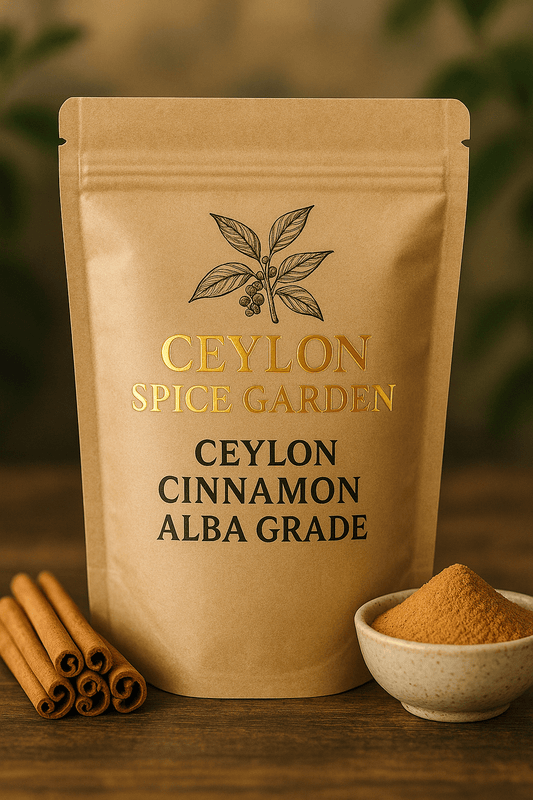
| Premium quills or gifting | Ceylon Cinnamon Alba Grade | Finest grade, delicate appearance, premium flavor. |
| Easy daily tea habit | Ceylon Cinnamon Tea | Convenient tea bags for regular brewing. |
| Milder leaf-style cinnamon tea | Ceylon Cinnamon Leaf Tea | Gentler cinnamon leaf character with a different aroma profile. |
| Spiced tea blend | Masala Chai Tea | Cinnamon with other classic warming spices. |
Best Choice for Most Buyers
Start with Ceylon Cinnamon Powder & Sticks. Use powder for daily convenience and sticks for tea, infusions, and premium recipes. Upgrade to Alba Grade Cinnamon if you want the finest quills.
Why Ceylon Cinnamon Costs More Than Cassia
Ceylon cinnamon costs more because it is more delicate to harvest and process. True Ceylon cinnamon quills are made from thin inner bark layers and require skilled rolling and drying. Cassia is made from thicker bark and is easier to produce at mass scale.
The higher price reflects:
- Sri Lankan origin
- More delicate harvesting and rolling
- Lower natural coumarin
- Milder, premium flavor
- Better suitability for daily use
- Authenticity testing and quality control
If you only use cinnamon once in a while, price may matter most. If cinnamon is part of your daily routine, Ceylon cinnamon is usually worth the upgrade.
Source Notes
EFSA: The European Food Safety Authority established a tolerable daily intake for coumarin of 0.1 mg per kilogram of body weight per day.
BfR: Germany’s Federal Institute for Risk Assessment notes that Cassia cinnamon contains relatively high coumarin levels and that especially sensitive people may experience liver effects from coumarin.
NCCIH: The National Center for Complementary and Integrative Health notes that Cassia cinnamon may contain coumarin and that prolonged use could be an issue for sensitive people, such as those with liver disease.
For product-specific proof, view our Lab Testing & Certificates of Analysis.
Frequently Asked Questions
Ceylon cinnamon is Cinnamomum verum, also called true cinnamon. It is milder, sweeter, lighter in color, and naturally much lower in coumarin. Cassia cinnamon is the common supermarket cinnamon type. It is stronger, darker, cheaper, and naturally much higher in coumarin.
Ceylon cinnamon is generally better for daily use because it naturally contains much less coumarin than Cassia cinnamon. If you add cinnamon to coffee, tea, oatmeal, smoothies, or recipes every day, Ceylon is the better long-term choice.
Cassia cinnamon is not automatically bad when used occasionally in normal culinary amounts. The concern is regular high intake because Cassia naturally contains more coumarin. Sensitive people, people with liver conditions, and people taking certain medications should be more cautious with high daily Cassia intake.
Cinnamon has been studied for blood sugar-related markers, but it should not replace medical treatment or prescribed medication. Many people choose Ceylon cinnamon for daily routines because it provides cinnamon flavor and plant compounds while keeping coumarin intake much lower than Cassia.
Ceylon cinnamon can be part of a healthy routine because it adds natural sweetness and flavor without added sugar. It is not a standalone weight-loss product. For weight management, it works best as part of a balanced diet, movement, sleep, and overall lifestyle plan.
No. Cinnamon powder is difficult to identify by appearance alone. Ceylon and Cassia powders can look very similar. For powder, the strongest proof is third-party lab testing for species identity and coumarin content.
Ceylon cinnamon sticks usually have many thin, paper-like layers rolled together. They are lighter in color and easier to crumble. Cassia sticks are usually thick, hard, darker, and shaped like one hollow scroll.
Yes, especially if you use cinnamon daily. Ceylon cinnamon costs more because it is true cinnamon from Sri Lanka, has a milder premium flavor, and naturally contains much lower coumarin than Cassia.
For most daily users, the best option is Ceylon cinnamon powder or sticks.
Choose powder if you want convenience for coffee, oatmeal, smoothies, and baking. Choose sticks if you want tea, infusions, mulled drinks, or whole spice freshness. Choose Ceylon Cinnamon Tea if you want the easiest daily brewing option.
The Bottom Line
For occasional baking, Cassia cinnamon can be acceptable if you only use small amounts. For daily use, Ceylon cinnamon is the better choice because it is true cinnamon from Sri Lanka, has a milder premium flavor, and naturally contains much less coumarin.
Choose Ceylon cinnamon if you use cinnamon in coffee, tea, oatmeal, smoothies, wellness routines, or premium recipes.
Choose Cassia only if you use cinnamon occasionally and mainly want a strong, spicy baking flavor.
Recommended products:
- Ceylon Cinnamon Powder & Sticks — best everyday choice
- Ceylon Cinnamon Alba Grade — best premium quills
- Ceylon Cinnamon Tea — easiest daily tea option
- Lab Testing & Certificates of Analysis — proof before you buy
When cinnamon is part of your daily routine, the better choice is simple: choose real Ceylon cinnamon.
Disclaimer: This article is for informational purposes only and does not constitute medical advice. These statements have not been evaluated by the FDA. These products are not intended to diagnose, treat, cure, or prevent any disease. Do not stop or modify prescribed medications without consulting your healthcare provider. Speak with a qualified professional before using cinnamon in high daily amounts, especially if you take diabetes medication, blood thinners, liver-related medication, or are pregnant or breastfeeding.