Ceylon Cinnamon and Honey: Morning Drink That Changes Your Metabolism

Ceylon Cinnamon and Honey: Morning Drink That Changes Your Metabolism

Ceylon Cinnamon and Honey: Morning Drink That Changes Your Metabolism | Ceylon Spice Garden
⏱ 9 min read · Updated April 2026 Morning Ritual

Ceylon Cinnamon and Honey: Morning Drink That Changes Your Metabolism

TL;DR — Your New Morning Ritual

1 tsp Ceylon cinnamon + 1 tbsp raw honey + 8 oz warm water → drink on empty stomach, 20–30 min before breakfast. Takes 3 minutes to make. Improves insulin sensitivity, stabilizes blood sugar, reduces mid-morning cravings. Most people notice energy changes within 5–7 days. Use Ceylon cinnamon specifically — cassia cinnamon has 60–300x more coumarin, which is unsafe for daily use.

Premium upgrade: Swap honey for palm jaggery — lower glycemic index, more minerals, traditional Sri Lankan pairing with cinnamon.

Everyone has a morning drink. Coffee, green tea, warm lemon water, a smoothie. The drink itself isn't special — the consistency of it is what matters. When you drink the same thing every morning, it becomes automatic. You don't think about it. You just do it.

That's the real power of cinnamon and honey water: it's a three-minute drink that delivers measurable metabolic benefits and requires zero willpower to maintain. No supplements to remember, no measuring cups, no blender to clean. A spoon, a mug, and warm water.

But it only works if you use the right cinnamon, the right sweetener, and the right timing. Most "cinnamon honey drink" articles gloss over these details. This one won't. Here's the precise protocol, the science behind each ingredient, and what to realistically expect.

The Exact Recipe (3 Minutes)

Ceylon Cinnamon & Honey Morning Drink

Prep: 3 min · 1 serving · ~70 calories

Ingredients

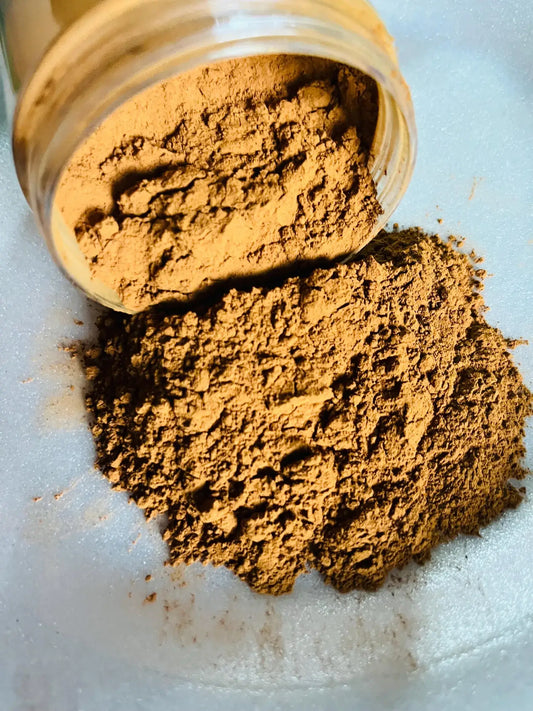
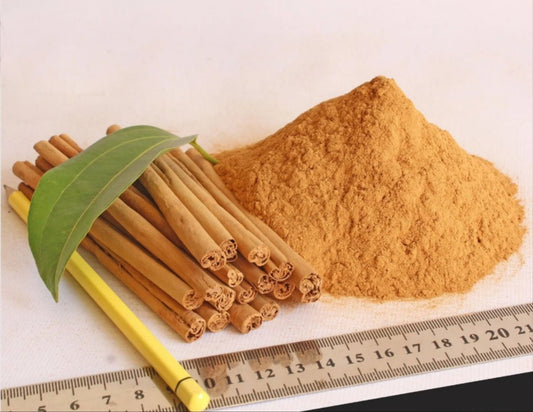
  • 1 teaspoon Ceylon cinnamon powder (organic, freshly ground preferred)
  • 1 tablespoon raw honey (or palm jaggery — see upgrade below)
  • 8 oz warm water — 160°F / 70°C (warm to the touch, not boiling)

Instructions

  1. Heat water. Warm but not boiling — boiling water destroys enzymes in raw honey. If you boiled it, wait 2–3 minutes before the next step.
  2. Add cinnamon. Stir in 1 tsp Ceylon cinnamon powder for 15–20 seconds until fully dissolved. No clumps — thorough stirring matters for even absorption.
  3. Add honey. Once the water is comfortable to touch (below 140°F), stir in the honey. Adding honey to water above 140°F kills the beneficial enzymes and antimicrobial compounds. This step is non-negotiable for getting the full benefit.
  4. Drink. On an empty stomach, 20–30 minutes before breakfast. Sip it, don't gulp — steady absorption beats a quick dump.

Why This Order Matters

Cinnamon goes in first (hotter water) because cinnamaldehyde — the primary active compound — releases better at higher temperatures, and cinnamon isn't temperature-sensitive. Honey goes in second (cooler water) because its enzymes, especially glucose oxidase and diastase, denature above 140°F. Getting this wrong means you're drinking cinnamon-flavoured sugar water instead of an active metabolic drink.

Why This Actually Works (The Metabolism Science)

This isn't folk medicine folklore. Both ingredients have documented, studied effects on metabolic function. Here's what each does:

Ceylon Cinnamon → Insulin Sensitivity

A study published in Diabetes Care found that 1–6 grams of cinnamon daily reduced fasting blood glucose by 18–29% after 40 days. Cinnamon works by mimicking insulin's effect on cell receptors — it helps your cells absorb glucose from your bloodstream more efficiently, even when your natural insulin response is sluggish.

In plain terms: your body processes the food you eat better. Less sugar stays floating in your blood (where it does damage), more gets absorbed into cells (where it becomes energy). The downstream effect is fewer energy crashes, fewer cravings, and less insulin-driven fat storage.

Raw Honey → Glycemic Primer

Raw honey does something counterintuitive: despite being a sugar, it improves your blood sugar response to subsequent meals. Research shows that consuming a small amount of honey before a meal produces a lower glycemic response to that meal compared to eating the meal alone. This is thought to be because honey stimulates an early-phase insulin release that prepares your body to handle the incoming carbohydrate load from breakfast.

This is why the drink works best on an empty stomach before breakfast — it pre-sets your metabolic machinery for the day's first meal.

The Combined Effect

Cinnamon + Honey: Complementary Mechanisms

Cinnamon improves your cells' ability to respond to insulin (long-term sensitivity improvement).

Honey primes your insulin system for the immediate meal ahead (acute glycemic optimization).

Together: Better insulin sensitivity + better prepared insulin response = significantly smoother blood sugar management throughout the morning. This is why you notice the energy difference within days — you're not crashing at 10 AM because your blood sugar never spiked and dropped in the first place.

Why Ceylon Cinnamon and NOT Cassia (Daily Safety)

This is the most important section of this article. If you use regular grocery store cinnamon daily, you are very likely using cassia cinnamon — and at daily doses, cassia is not safe long-term.

Factor Ceylon Cinnamon ("True Cinnamon") Cassia Cinnamon (Grocery Store)
Coumarin content 2–40 mg/kg 1,200–6,500 mg/kg
Daily use safety Safe indefinitely at 1–2 tsp/day Exceeds safety limits at 1 tsp/day for many adults
Liver risk None at normal doses Documented hepatotoxicity with chronic high doses
Flavour Delicate, subtly sweet, complex Strong, spicy-hot, one-dimensional
Origin Sri Lanka (95% of global supply) China, Indonesia, Vietnam
Lab verification Certificate of Analysis confirms species + coumarin Typically no COA available

The European Food Safety Authority sets the tolerable daily intake (TDI) for coumarin at 0.1 mg per kg of body weight. For a 150 lb person, that's 6.8 mg per day. One teaspoon of cassia cinnamon can contain enough coumarin to approach or exceed this limit in a single dose. One teaspoon of Ceylon cinnamon is well within safe limits. The difference isn't marginal; it's 60–300x. For a detailed breakdown, see our Ceylon cinnamon vs cassia guide.

If you're making this a daily habit — which is the whole point — use Ceylon cinnamon. Period.

Best Honey to Use (Ranked)

Honey Type Quality Monthly Cost Enzyme Content Best For
Raw wildflower / local ★★★★★ $8–15 Full Best daily-use option — enzymes intact, affordable
Manuka (UMF 10+) ★★★★★ $30–60 Full + methylglyoxal Strongest antimicrobial properties — use if budget allows
Raw clover ★★★★ $8–12 Full Mild flavour, widely available, good daily choice
Organic filtered ★★★ $6–12 Reduced (heat processing) Acceptable if raw isn't available
Mass-market squeeze bottle ★★ $4–8 Minimal (ultra-filtered, pasteurized) Avoid — often adulterated, enzymes destroyed

The practical recommendation: Buy raw wildflower or raw clover honey from a farmers market, health food store, or online. Look for "raw" and "unfiltered" on the label. If it's crystal clear and pours like water, it's been ultra-processed and has lost most of its beneficial properties. Real raw honey is slightly cloudy and viscous.

The Premium Upgrade: Palm Jaggery

Why Palm Jaggery Is the Better Choice

In Sri Lanka, cinnamon has been paired with palm jaggery — not honey — for centuries. There's good reason: palm jaggery complements cinnamon's metabolic effects better than honey does.

The numbers:

  • Glycemic Index: Palm jaggery GI 35–40 vs Honey GI 58. Lower GI means a slower, steadier blood sugar rise — exactly what this drink is trying to achieve.
  • Mineral content: Iron (11 mg/100g), potassium (1,056 mg/100g), magnesium, calcium, and B vitamins. Honey has trace minerals; palm jaggery has meaningful amounts.
  • Processing: Palm jaggery is made by evaporating palm sap — one ingredient, one step. No additives, no processing aids, no adulteration risk.
  • Flavour: Rich, deep caramel with smoky undertones. Pairs exceptionally well with cinnamon's warm spice notes. Many people prefer the taste to honey once they try it.

How to use: Replace the 1 tablespoon of honey with 1 tablespoon of grated or crumbled palm jaggery. It dissolves easily in warm water — stir for 20–30 seconds. No temperature restrictions like honey (jaggery isn't enzyme-sensitive), so you can add it at any temperature.

Timing: When, How Much, Empty Stomach?

Question Answer Why
When? 20–30 min before breakfast Gives cinnamon time to activate insulin receptors before food arrives; honey primes insulin response for the coming meal
Empty stomach? Yes, ideal Faster absorption of cinnamaldehyde without competing with food. If stomach is sensitive, take with a small bite of food
How much cinnamon? 1 teaspoon (2.6g) Within the 1–6g daily range studied for metabolic benefits. Start at 1 tsp and adjust based on response
How much honey? 1 tablespoon (21g) Enough for the glycemic priming effect without excessive sugar. Reduce to 1 tsp if calorie-conscious
Can I take it twice a day? Yes — morning + evening Evening dose has a warming, calming effect and may stabilize overnight blood sugar
Hot or cold water? Warm (160°F / 70°C) Hot enough to dissolve cinnamon and release cinnamaldehyde, cool enough to preserve honey enzymes. Cold water won't dissolve cinnamon properly

What to Expect: The Realistic Timeline

This is not a miracle drink. It's a metabolic tool that produces compound effects with consistent use. Here's what's realistic:

Timeframe What You'll Notice What's Happening
Days 1–3 Nothing dramatic. Maybe slightly warmer mornings. Body adjusting. Cinnamaldehyde beginning to interact with insulin receptors. Too early for measurable change.
Days 4–7 More stable morning energy. Fewer 10 AM crashes. Improved acute blood sugar response to breakfast. Insulin sensitivity beginning to improve.
Weeks 2–3 Reduced mid-morning cravings. Less desire for sugary snacks. Cumulative insulin sensitivity improvement. Blood sugar staying in tighter range, reducing the dips that trigger cravings.
Weeks 4–6 Measurable fasting blood glucose improvement. More consistent energy. Per Diabetes Care research: 18–29% reduction in fasting blood glucose at 40 days with consistent cinnamon use. Metabolic baseline shifting.
Months 2–3 The drink is automatic. You don't think about it. The behavioural habit is fully cemented. Metabolic benefits are now your baseline. You'll only notice when you skip it for several days.

Ready to start your morning ritual?

Our organic Ceylon cinnamon powder is freshly ground from Sri Lankan bark — pennies per daily dose, safe for indefinite daily use.

Shop Ceylon Cinnamon Powder →

4 Variations to Keep It Interesting

The base recipe is intentionally simple so it becomes automatic. But after a few weeks, you might want variety. These variations keep the core metabolic benefits while adding complementary flavours and nutrients:

1. The Metabolism Accelerator

Add ½ tsp fresh grated ginger to the base recipe. Ginger contains gingerols that increase thermogenesis (body heat production and calorie burn) and have their own anti-inflammatory properties. This is the most popular variation for weight management goals.

2. The Immune Builder

Add the juice of ½ lemon to the cooled-down mixture (after honey). The vitamin C enhances absorption of cinnamon's polyphenols and adds its own antioxidant layer. Best in winter months or when you feel something coming on.

3. The Golden Morning

Add ½ tsp turmeric powder and a pinch of black pepper. Black pepper increases curcumin absorption significantly. This effectively turns your morning drink into a simplified golden milk — combining the metabolic benefits of cinnamon with the anti-inflammatory effects of turmeric. Best variation for joint pain, inflammation, and recovery.

4. The Apple Cider Kickstart

Replace 2 oz of the warm water with 2 oz raw apple cider vinegar (with the "mother"). ACV has independent blood sugar benefits, and combined with cinnamon, the two compounds may have complementary effects on glucose metabolism. Strong flavour — add extra honey if needed. Best for aggressive blood sugar management goals.

Who Should Not Drink This Daily

Check With Your Doctor First If You:
  • Take diabetes medication (metformin, insulin, sulfonylureas) — cinnamon enhances insulin sensitivity and may amplify medication effects, potentially causing hypoglycaemia. Your doctor may need to adjust your medication dose.
  • Take blood thinners (warfarin, heparin) — cinnamon has mild anticoagulant properties. At daily doses, this is worth monitoring with your prescriber.
  • Are pregnant or breastfeeding — low-dose culinary cinnamon is generally considered safe, but consult your doctor before making it a daily supplement habit.
  • Have honey allergies — switch to palm jaggery or simply use cinnamon in warm water without sweetener.
  • Have liver disease — even though Ceylon cinnamon is low-coumarin, anyone with existing liver conditions should consult a doctor before daily supplementation.

For the healthy general population using Ceylon (not cassia) cinnamon at 1 teaspoon per day: this drink has an excellent safety profile and is safe for indefinite daily use.

Frequently Asked Questions

Should I drink cinnamon and honey on an empty stomach?

Yes — 20–30 minutes before breakfast is ideal. On an empty stomach, cinnamon's active compounds are absorbed faster and reach peak blood concentration before food competes for absorption. The honey provides a small glycemic stimulus that primes your insulin response for breakfast. If you experience stomach sensitivity, take it with a small snack — benefits are slightly reduced but still meaningful.

Can I use regular cinnamon instead of Ceylon?

Not for daily use. Regular grocery store cinnamon is usually cassia, containing 60–300× more coumarin than Ceylon. At 1 teaspoon per day, cassia can approach or exceed the European Food Safety Authority's tolerable daily coumarin limit for lighter individuals. Ceylon cinnamon's coumarin content (2–40 mg/kg vs cassia's 1,200–6,500 mg/kg) makes it the only safe option for a daily habit.

Does cinnamon and honey actually help you lose weight?

It won't melt fat — nothing does. What it does is improve insulin sensitivity (reducing insulin-driven fat storage) and stabilize blood sugar (reducing the crashes and cravings that lead to overeating). It's a metabolic support tool, not a miracle. Combined with reasonable eating and movement, it meaningfully supports weight management by addressing the biochemistry that makes weight management hard in the first place.

What type of honey is best?

Raw, unprocessed honey — ideally local wildflower or raw clover ($8–15/jar). Raw honey retains the enzymes and antimicrobial compounds destroyed during commercial pasteurisation. Avoid mass-market squeeze bottles — most are ultra-filtered and often adulterated. If it's crystal clear and pours like water, it's been over-processed. Real raw honey is slightly cloudy and thick.

What is palm jaggery and why should I use it instead?

Palm jaggery is an unrefined sweetener from palm sap with a lower glycemic index (GI 35–40) than honey (GI 58) — meaning it causes a slower blood sugar rise, which aligns better with this drink's metabolic goals. It also contains iron, potassium, magnesium, and B vitamins. Rich caramel flavour pairs beautifully with cinnamon. It's the traditional Sri Lankan pairing — cinnamon and palm jaggery has been the morning drink in Sri Lanka for centuries.

How long until I see results?

Energy and craving changes: 3–7 days — most people notice more stable morning energy within the first week. Blood sugar improvements: 2–4 weeks — measurable fasting glucose changes emerge with consistent daily use. Weight and metabolism changes: 4–8 weeks — gradual, dependent on overall diet and activity. The key is consistency — skipping days resets the cumulative metabolic benefit.

Can I drink it at night instead?

Yes — the benefits just shift. Morning doses optimize insulin for the day ahead (best for metabolic goals). Evening doses have a warming, calming effect and may stabilize overnight blood sugar, preventing the blood sugar dips that cause 3 AM wake-ups. If you can only pick one, morning on an empty stomach gives the strongest metabolic advantage. If you can do both, even better.

Is it safe to drink cinnamon and honey every day long-term?

With Ceylon cinnamon, yes — it is safe for daily long-term use at 1 teaspoon per day. Ceylon cinnamon's extremely low coumarin content (2–40 mg/kg vs cassia's 1,200–6,500 mg/kg) means there is no liver concern even with years of daily use. One tablespoon of honey (~21 calories) is nutritionally insignificant at this quantity.

The populations who should check with a doctor first: people on diabetes medication (cinnamon may enhance medication effects, requiring dose adjustment), pregnant women, and people on blood thinners.

Start Tomorrow Morning

Three minutes. One teaspoon. One tablespoon. Warm water.

That's all this habit requires. The compound effects — better insulin sensitivity, stable blood sugar, fewer cravings — show up within the first week and build over months. The only non-negotiable: use Ceylon cinnamon, not cassia. Every other variable is adjustable.

  1. Shop Organic Ceylon Cinnamon Powder →
  2. Shop Sri Lankan Palm Jaggery →
  3. Shop Ceylon Cinnamon Herbal Tea →
Disclaimer: This article is for informational purposes only and does not constitute medical advice. These statements have not been evaluated by the FDA. These products are not intended to diagnose, treat, cure, or prevent any disease. Do not stop or modify prescribed medications without consulting your physician. Consult your healthcare provider before starting cinnamon supplementation, especially if you take diabetes or blood-thinning medications.
Back to blog

Leave a comment

FAQ

How do I place an order?

Browse our spices, select the quantity, and click “Add to cart.” Once ready, click the cart icon and follow the checkout steps.

What payment methods do you accept?

We accept Visa, MasterCard, American Express, Discover, PayPal, and major international credit cards.

Can I ship internationally?

Yes! We ship worldwide. International shipping costs are calculated at checkout based on destination.

How long will delivery take?

Domestic orders (Sri Lanka) arrive in 3–7 business days. International orders take 7–21 business days, depending on destination and customs.

Do you offer tracking?

Yes. Once your order ships, you’ll receive a tracking number via email.

What is your return policy?

We accept returns within 14 days of delivery for unopened, unused products. Contact us at support@ceylonspicegarden.com to initiate a return.

Are your spices organic and fresh?

Absolutely! All our spices are sourced directly from Sri Lankan farms, carefully processed, and packed to preserve maximum freshness.

How do I contact customer support?

You can reach us via email at support@ceylonspicegarden.com or call +94 11 123 4567 (Mon–Fri, 9 am–5 pm GMT+5:30).