How to Read a Ceylon Cinnamon Lab Test / COA
How to Read a Ceylon Cinnamon Lab Test / COA Before You Buy
A good Ceylon cinnamon COA should show more than “pure” or “premium.” It should show the product name, batch or lot number, test date, lab name, botanical identity, coumarin, heavy metals, microbial safety, pesticide residues, moisture, and whether the results meet the stated specification.
For true Ceylon cinnamon, the key botanical name is Cinnamomum verum. If a seller cannot explain the species, batch, or lab test, you are mostly buying based on trust instead of proof.
View Our Lab Testing & COA Page
Before buying Ceylon cinnamon online, check whether the seller can explain origin, species identity, coumarin testing, heavy metals, and microbial safety. We publish available lab testing details so customers can verify quality before ordering.
Ceylon cinnamon is often more expensive than ordinary supermarket cinnamon. That means buyers naturally ask: “How do I know this is real Ceylon cinnamon?”
The answer is not just a nice product photo, a premium label, or the word “organic.” A serious seller should be able to explain what was tested, what the lab report shows, and how the report connects to the cinnamon being sold.
This guide explains how to read a Ceylon cinnamon lab test or Certificate of Analysis, also called a COA, before you buy.
- What Is a COA?
- Quick COA Reading Table
- Why Species Identification Matters
- Why Coumarin Testing Matters
- Heavy Metals: What to Check
- Microbial Safety Checks
- Strong COA vs Weak COA
- Red Flags When Buying Cinnamon Online
- Buyer Guide: How to Use a COA
- Recommended Ceylon Cinnamon Products
- Frequently Asked Questions
What Is a COA?
A COA means Certificate of Analysis. It is a lab document that summarizes test results for a specific product or batch.
For spices, a COA usually helps confirm quality, identity, cleanliness, and safety-related checks. For Ceylon cinnamon, the most useful COA sections usually include botanical identity, coumarin, heavy metals, microbial safety, pesticide residues, moisture, and batch details.
A COA Helps Answer These Buyer Questions:
- Is this really Ceylon cinnamon?
- Does the report show Cinnamomum verum?
- Was this cinnamon batch tested by a lab?
- Are heavy metals within the stated specification?
- Was microbial safety checked?
- Does the report match the product being sold?
Simple Buyer Rule
If a seller says “Ceylon cinnamon” but cannot explain the botanical name, batch, or COA details, be careful before buying.
Quick COA Reading Table
Use this table when checking a Ceylon cinnamon lab report.
| COA Section | What It Means | What You Want to See |
|---|---|---|
| Product Name | Shows the exact product tested. | Ceylon cinnamon powder, sticks, quills, Alba cinnamon, or the exact product being sold. |
| Batch / Lot Number | Connects the report to a specific batch. | A batch number that can be matched to the seller’s product or requested before buying. |
| Botanical Identity | Confirms plant species. | Cinnamomum verum for true Ceylon cinnamon. |
| Coumarin | Shows measured coumarin level. | A result consistent with Ceylon cinnamon’s naturally low-coumarin profile. |
| Heavy Metals | Checks metals such as lead, arsenic, mercury, and cadmium. | Results within the stated safety specification. |
| Microbial Safety | Checks unwanted microbes. | Clear results for tests such as E. coli and Salmonella, depending on report format. |
| Pesticide Residues | Checks whether pesticide residues were detected. | Clear screening results, especially for export-quality spices. |
| Moisture Content | Shows whether the spice is dry enough for quality and storage. | A moisture result within the stated specification. |
| Test Date | Shows when testing was performed. | A batch-relevant date, not an old generic report reused for every product. |
| Lab Name | Shows who performed the test. | A named lab or third-party testing source. |
The Simple Verdict
A strong Ceylon cinnamon COA should help prove three things: the cinnamon is the right species, the product was tested, and the results meet the stated quality specification.
Why Species Identification Matters
The most important line on a Ceylon cinnamon COA is often the species identification.
True Ceylon cinnamon comes from Cinnamomum verum. Cassia-type cinnamon comes from different cinnamon species. Both are used as spices, but they are not the same product.
This matters because customers who pay for Ceylon cinnamon are usually paying for a more delicate flavor, Sri Lankan origin, and naturally lower coumarin compared with cassia cinnamon.
Best Product If You Want Everyday Ceylon Cinnamon
Choose Ceylon Cinnamon Powder or Sticks if you want authentic Ceylon cinnamon for coffee, oatmeal, smoothies, tea, baking, or daily kitchen use.
Why Coumarin Testing Matters
Coumarin is a naturally occurring compound found in cinnamon. One reason many buyers choose Ceylon cinnamon for regular culinary use is that it is naturally much lower in coumarin than cassia cinnamon.
A coumarin test helps support the identity and quality story behind the product. It is especially useful if you use cinnamon often in coffee, oatmeal, smoothies, desserts, tea, or baking.
This does not mean cinnamon should be treated like medicine. Ceylon cinnamon is a food and spice. The smarter buying decision is to choose authentic, well-tested cinnamon from a seller that can show proper documentation.
A COA is a quality document, not a medical claim. Ceylon cinnamon is sold as a culinary spice and should not be used to diagnose, treat, cure, or prevent disease.
Heavy Metals: What to Check
Spices are agricultural products. They come from soil, farms, drying environments, processing areas, and supply chains. That is why heavy metal testing is an important quality check.
A strong cinnamon COA may include testing for:
- Lead
- Arsenic
- Mercury
- Cadmium
The important thing is not just whether these names appear. You also want to see the result and whether it passes the stated specification.
Microbial Safety Checks
Microbial testing checks whether unwanted microbes are detected in the product. For dried spices, common checks may include E. coli, Salmonella, yeast, mold, and total plate count depending on the lab report and product type.
Good microbial results help support product cleanliness, drying quality, and handling quality. This is especially important for international buyers who want spices shipped long distance.
Why This Matters for International Buyers
If you are buying cinnamon from overseas, you are trusting the seller’s sourcing, drying, packing, storage, and shipping process. Lab testing gives extra confidence before ordering.
Strong COA vs Weak COA
Not all lab reports are equally useful. Some reports are clear and batch-specific. Others are vague and do not help the buyer much.
| Strong COA | Weak or Risky COA |
|---|---|
| Shows exact product name. | Only says “cinnamon” with no detail. |
| Shows batch or lot number. | No batch connection. |
| Lists botanical identity as Cinnamomum verum. | Does not mention botanical name. |
| Includes coumarin testing. | Only says “pure” or “premium.” |
| Includes heavy metals. | Skips heavy metals completely. |
| Includes microbial safety checks. | No microbial testing shown. |
| Shows result, specification, and pass/fail status. | Uses vague marketing language without data. |
| Seller can explain the report clearly. | Seller cannot answer basic COA questions. |
Red Flags When Buying Cinnamon Online
A cheap price can look attractive, but cinnamon quality depends on the species, origin, harvest, processing, drying, grinding, packing, storage, and testing.
Be careful if you see:
- No botanical name listed anywhere.
- No mention of Cinnamomum verum.
- No COA or lab test page.
- No batch or lot details.
- Only generic words like “premium,” “pure,” or “natural.”
- Very cheap pricing with no explanation of origin or testing.
- Product photos that do not match the cinnamon form being sold.
- No clear shipping, refund, or support policy.
Check the Lab Page Before You Order
Our lab testing page is designed to help customers verify quality before buying Ceylon cinnamon, spices, herbs, and teas from Sri Lanka.
Buyer Guide: How to Use a COA
Use this simple checklist before buying Ceylon cinnamon online.
| Step | What to Check | Why It Matters |
|---|---|---|
| 1 | Look for Cinnamomum verum. | This supports true Ceylon cinnamon identity. |
| 2 | Check batch or lot number. | This connects the report to real product stock. |
| 3 | Review coumarin result. | This supports the low-coumarin Ceylon cinnamon profile. |
| 4 | Check heavy metals. | This shows transparency for lead, arsenic, mercury, and cadmium. |
| 5 | Check microbial safety. | This supports cleanliness and safe handling standards. |
| 6 | Check seller transparency. | A good seller should explain what was tested and why it matters. |
Best Buying Advice
Do not choose Ceylon cinnamon only by price. Choose by species identity, origin, lab transparency, freshness, packaging, and whether the seller can explain the product clearly.
Recommended Ceylon Cinnamon Products
Once you know how to read a COA, the next step is choosing the right cinnamon format for your kitchen.
Ceylon Cinnamon Powder
Best for coffee, oatmeal, smoothies, baking, desserts, and everyday recipes.
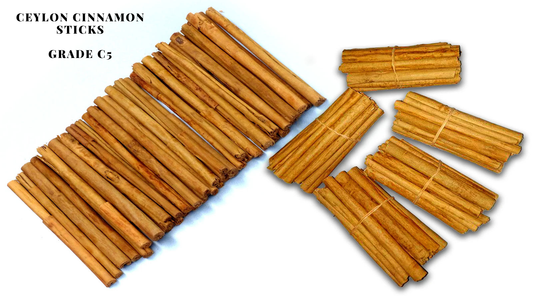
Ceylon Cinnamon Sticks
Best for tea, simmering, rice dishes, curries, mulled drinks, and slow infusions.
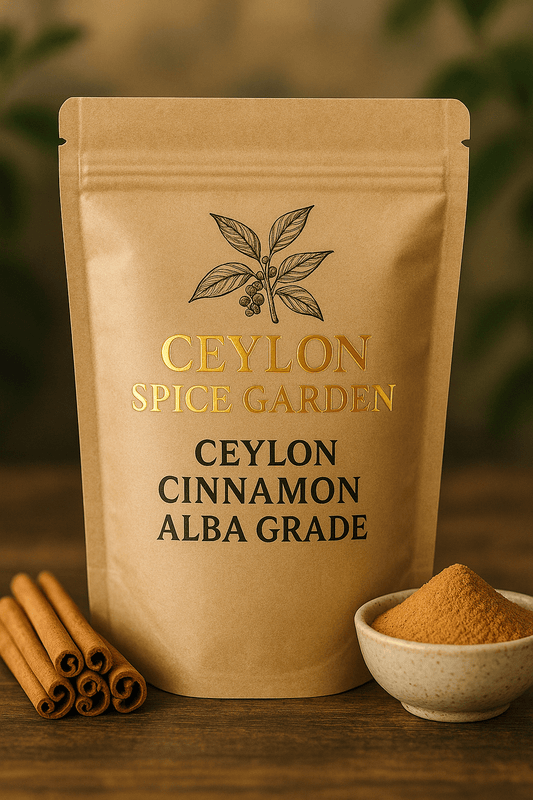
Alba Grade Ceylon Cinnamon
Best for premium gifting, high-end tea rituals, luxury spice collections, and customers who want the finest quill presentation.
Ceylon Spice Boxes & Bundles
Best for first-time buyers who want to try multiple Sri Lankan spices instead of buying one product at a time.
COA vs Product Page Claims
Product pages are useful, but they are still marketing pages. A COA gives buyers a more technical way to check quality.
| Product Page Claim | COA Support to Look For |
|---|---|
| “Ceylon cinnamon” | Botanical identity showing Cinnamomum verum. |
| “Low coumarin” | Coumarin test result. |
| “Quality tested” | Actual lab name, test date, results, and specifications. |
| “Safe and clean” | Heavy metal and microbial safety results. |
| “Freshly packed” | Moisture result, batch details, and proper packaging explanation. |
Frequently Asked Questions
COA means Certificate of Analysis. For Ceylon cinnamon, it is a lab document that shows what was tested, such as botanical identity, coumarin, heavy metals, microbial safety, pesticide residues, moisture, and whether the results meet the stated specification.
Real Ceylon cinnamon should show Cinnamomum verum. This helps separate true Ceylon cinnamon from cassia-type cinnamon.
Coumarin testing is useful because Ceylon cinnamon is known for naturally lower coumarin compared with cassia cinnamon. A coumarin result helps support the identity and quality story of the cinnamon being sold.
Yes. A strong spice COA should include heavy metals such as lead, arsenic, mercury, and cadmium. These checks help buyers understand product quality and safety transparency.
Not always. A COA and an organic certificate are different documents. A COA shows lab testing results. Organic certification, if available, is usually a separate certification document.
No. A COA is a quality and testing document. Ceylon cinnamon is a culinary spice and food ingredient, not a medicine or treatment for disease.
You can view our lab testing and Certificate of Analysis page here: Ceylon Spice Garden Lab Testing & COA.
If you want everyday kitchen use, start with Ceylon cinnamon powder or sticks. If you want a premium gift or the finest quill presentation, choose Alba grade Ceylon cinnamon.
Final Recommendation
Before buying Ceylon cinnamon online, do not rely only on the label. Check whether the seller explains the species, batch, coumarin level, heavy metals, microbial safety, and lab testing.
Best starting points:
- View Lab Testing & COA — verify quality before buying
- Ceylon Cinnamon Powder & Sticks — best for everyday kitchen use
- Alba Grade Ceylon Cinnamon — best premium cinnamon option
- Ceylon Spice Boxes & Bundles — best for first-time buyers
- Shipping & Service Commitment — see how we ship internationally from Sri Lanka
A transparent COA helps you understand what you are actually buying — not just what the front label says.
Disclaimer: This article is for informational and product-selection purposes only. Ceylon cinnamon is sold as a culinary spice and food ingredient, not as medicine. It should not be used to diagnose, treat, cure, or prevent any disease. If you are pregnant, breastfeeding, taking medication, or managing a medical condition, speak with a qualified healthcare professional before using any spice heavily or regularly.