Ceylon Cinnamon & Diabetic Dogs: Safety, Evidence & Vet Guidance
Ceylon Cinnamon & Diabetic Dogs: What Pet Owners Should Know
Cinnamon is not a treatment plan for canine diabetes. This guide explains what matters when a dog has eaten cinnamon, why cinnamon essential oil is different, and why every diabetic dog’s diet and medication plan needs veterinary oversight.
Can diabetic dogs have Ceylon cinnamon?
A small accidental exposure to a food containing cinnamon is not the same as deliberately giving a diabetic dog cinnamon every day. A dog’s size, medical history, insulin treatment, other ingredients, and the form of cinnamon all change the safety question.
Veterinary references describe canine diabetes management as a combination of diet, insulin or other prescribed treatment where appropriate, weight management when indicated, and monitoring. Do not change insulin or feeding schedules because of a spice or supplement.
Diabetes Comes First
Insulin, meals, monitoring, and veterinary follow-up are the foundation of diabetic-dog care. A supplement should never replace any part of that plan.
Form Matters
Ground cinnamon, baked foods, sweetened products, supplements, and cinnamon essential oil are not equivalent exposures and should not be treated the same way.
Product Ingredients Matter
Many human foods contain ingredients that can be dangerous for dogs. Always check the complete ingredient list, not just whether cinnamon is present.
What does “Ceylon cinnamon” change—and what does it not change?
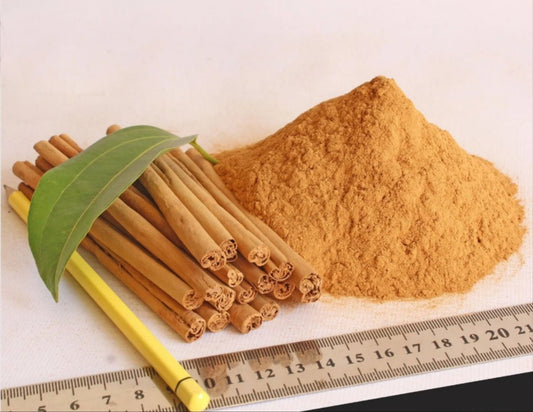
Ceylon cinnamon and cassia are different cinnamon types. That distinction can matter for human food discussions, but it does not turn Ceylon cinnamon into a proven canine-diabetes treatment or create a one-size-fits-all dose for dogs.
| Question | What pet owners should know |
|---|---|
| Is Ceylon cinnamon the same as cassia? | No. They are different cinnamon types. Product identity still matters when discussing any cinnamon product. |
| Does a lower-coumarin reputation make it safe as a dog supplement? | No. Lower coumarin is not the same as proven benefit, safe long-term dosing, or compatibility with a diabetic dog’s medication plan. |
| Can I switch insulin if I use cinnamon? | No. Only the veterinarian managing the dog’s diabetes should alter insulin, meal timing, or monitoring. |
| Is cinnamon oil the same as cinnamon powder? | No. Concentrated oils carry different risks and should be kept away from dogs. |
Contact a veterinarian or poison service promptly when the exposure is concerning.
Do not wait for a blog to diagnose a pet. Professional guidance is especially important for diabetic dogs because their care is already medically managed.
-
1Essential oil exposure.
Any ingestion, skin exposure, or suspected concentrated cinnamon-oil exposure deserves urgent professional advice. -
2Large or unknown quantity.
Call when you do not know how much cinnamon, supplement, baked product, or mixed food your dog ate. -
3Symptoms after exposure.
Vomiting, diarrhea, drooling, coughing, breathing difficulty, weakness, lethargy, or unusual behavior should not be ignored. -
4Diabetes treatment changes.
Call the dog’s veterinarian before introducing any supplement or changing food, insulin, or monitoring routines.
Keep cinnamon essential oil out of a dog’s reach.
Cinnamon essential oil is a concentrated aromatic product, not a culinary spice and not a pet supplement. Veterinary poison resources warn that exposure can be harmful through ingestion or skin contact.
Never add cinnamon essential oil to a dog’s food, water, treat, or medicine routine.
Do not assume dilution makes an oil suitable for a dog. Ask the veterinarian who knows the dog’s health history.
Keep concentrated oils and active diffusers away from pets. If a dog shows respiratory or other symptoms around an oil product, remove exposure and seek veterinary advice.
Bring specific information instead of asking for a generic “safe dose.”
A veterinarian needs context to give a responsible answer. Keep the product package or take a photo of the label before you call.
Show the Exact Product
Bring the ingredient list, product name, bottle or package, and any sweeteners or added ingredients that might be present.
Share Your Dog’s Plan
Explain the dog’s diagnosis, insulin or medication schedule, food, body weight, recent glucose readings, and other supplements.
Ask About Monitoring
Ask whether the veterinarian recommends any change in observation or glucose checks after a confirmed exposure or proposed supplement.
Ceylon cinnamon and diabetic dogs FAQs
Can Ceylon cinnamon treat diabetes in dogs?
No. Ceylon cinnamon is not a proven treatment for canine diabetes and should not replace insulin, prescribed food, glucose monitoring, or veterinary care. Ask the veterinarian managing your dog before adding any supplement.
Is Ceylon cinnamon safer than cassia cinnamon for dogs?
They are different cinnamon types, but a lower-coumarin reputation does not make Ceylon cinnamon a diabetes treatment or create a universal safe dose for dogs. The form, amount, other ingredients, the dog’s health, and prescribed medication all matter.
Are cinnamon essential oils safe for dogs?
Do not give cinnamon essential oil to dogs or apply it to their skin. Veterinary poison sources warn that cinnamon oil exposure can be harmful through ingestion or skin exposure. Keep essential oils and diffusers away from pets unless a veterinarian has specifically advised otherwise.
What should I do if my dog ate cinnamon?
Small accidental exposures may be handled differently from large amounts, concentrated products, or essential oils. Do not induce vomiting unless a veterinary professional tells you to. Contact your veterinarian or an animal poison service promptly if your dog ate a large amount, a cinnamon oil product, or has symptoms such as vomiting, coughing, difficulty breathing, weakness, or unusual behavior.
Can I change my diabetic dog’s insulin because I added cinnamon?
No. Never change insulin dose, meal timing, or prescribed treatment based on an over-the-counter spice or supplement. Diabetes treatment plans and glucose monitoring should be managed with the veterinarian responsible for the dog’s care.
Can I use cinnamon treats for my diabetic dog?
Do not assume a human cinnamon treat is appropriate for a diabetic dog. Check the entire ingredient list and ask the veterinarian first. Some human foods contain unsafe ingredients or may not fit the dog’s prescribed nutrition plan.
Read the veterinary and poison-control guidance.
These external resources are included so pet owners can verify the safety information and contact appropriate help when needed.
Your veterinarian—not cinnamon—should guide your dog’s diabetes plan.
Keep culinary spices, supplements, cinnamon oil, and human foods separate from a diabetic dog’s treatment routine unless the veterinarian responsible for that dog has advised otherwise.