Ceylon Cinnamon Dosage: How Much Should You Take Per Day? (2026 Guide)
Ceylon Cinnamon Dosage: How Much Should You Take Per Day?
General wellness: 1–1.5 grams per day (about ½ teaspoon of powder).
Blood sugar support: 1–3 grams per day, taken with meals.
Upper limit: Do not exceed 6 grams per day. Start low, increase gradually over 1–2 weeks.
Critical: These doses apply only to Ceylon (true) cinnamon. Cassia cinnamon has a much lower safe daily limit due to coumarin content — as little as 1 teaspoon of cassia can exceed safe coumarin thresholds.
You've probably read that Ceylon cinnamon can support blood sugar, reduce inflammation, or help with weight management. The science is promising — meta-analyses published in the Journal of Medicinal Food confirm statistically significant effects on fasting glucose and cholesterol markers.
But none of that matters if you're taking the wrong amount. Too little and nothing happens. Too much and you risk side effects — especially if you're unknowingly using cassia instead of Ceylon. This guide gives you the exact gram amounts, timing, and form recommendations backed by the actual clinical studies.
- Why the Right Dose Matters
- Daily Dosage by Goal
- How to Measure: Teaspoons, Grams, and Sticks
- Powder vs Sticks vs Capsules: Which Delivers More?
- When to Take It: Timing for Maximum Effect
- The Coumarin Factor: Why Ceylon Matters
- Side Effects and Upper Limits
- Special Populations: Pregnancy, Diabetes, Children
- How Long Before You See Results?
- Frequently Asked Questions
Why the Right Dose Matters
Most cinnamon health articles say "add some cinnamon to your diet" and leave it at that. That's useless advice. The dose is the difference between a pleasant flavoring and a compound that measurably changes your blood biomarkers.
The clinical research is specific. A landmark 2003 study published in Diabetes Care (one of the most-cited cinnamon studies in existence) tested doses of 1, 3, and 6 grams per day in type 2 diabetic patients. All three dosage groups showed significant reductions in fasting glucose (18–29%), triglycerides (23–30%), LDL cholesterol (7–27%), and total cholesterol (12–26%) after 40 days.
The key finding: 1 gram worked nearly as well as 6 grams for blood sugar. Higher doses did not proportionally increase benefits but did increase the risk of digestive discomfort. This is why most evidence-based recommendations center on 1–3 grams daily — enough to produce measurable effects, low enough to avoid side effects.
Daily Dosage by Goal
Different health goals require different amounts. Here are the evidence-based doses, drawn directly from clinical trials:
| Health Goal | Daily Dose | Approx. Measurement | Supporting Evidence |
|---|---|---|---|
| General Wellness | 1–1.5 g | ½ teaspoon powder | Antioxidant support, general anti-inflammatory |
| Blood Sugar Support | 1–3 g | ½–1¼ teaspoons | Khan et al., Diabetes Care 2003 |
| Cholesterol Management | 1.5–3 g | ¾–1¼ teaspoons | Davis & Yokoyama, J Med Food 2011 |
| Weight Management | 2–3 g | ¾–1¼ teaspoons | Metabolic support via blood sugar regulation |
| Anti-Inflammatory | 1.5–4 g | ¾–1½ teaspoons | Gunawardena et al., BMC Comp Alt Med 2015 |
| PCOS Support | 1.5–3 g | ¾–1¼ teaspoons | Insulin sensitivity improvement |
The Sweet Spot
For most people, 1.5 grams per day (just over ½ teaspoon) is the optimal starting point. It falls within the effective range for nearly every studied benefit while staying well below any side-effect threshold. After 2 weeks, you can increase to 3 grams if your body tolerates it well and you want stronger effects.
How to Measure: Teaspoons, Grams, and Sticks
Precision matters. "A sprinkle" or "a dash" is not a dose. Here's exactly how common measurements convert:
| Measurement | Weight (grams) | Daily Doses It Provides |
|---|---|---|
| ¼ teaspoon powder | 0.65 g | Below minimum effective dose |
| ½ teaspoon powder | 1.3 g | 1 standard wellness dose |
| 1 teaspoon powder | 2.6 g | 1 therapeutic dose (blood sugar / cholesterol) |
| 1 tablespoon powder | 7.8 g | Above recommended daily maximum — avoid |
| 1 Ceylon cinnamon stick (3") | 0.5–0.7 g | ½ dose (best for tea) |
| 2 Ceylon cinnamon sticks (3") | 1.0–1.4 g | 1 wellness dose (tea) |
Practical Translation
If you use powder: Half a teaspoon daily is your baseline. One teaspoon is the stronger therapeutic dose.
If you use sticks: Two 3-inch sticks steeped for 10–15 minutes in hot water delivers roughly one wellness dose. Note that sticks release only 30–50% of their active compounds into water — powder is more bioavailable.
If you use capsules: Most 500mg capsules require 2–3 capsules to reach the 1–1.5g wellness dose. Check the label.
Powder vs Sticks vs Capsules: Which Delivers More?
The form you choose affects how much cinnamaldehyde (the primary active compound) your body actually absorbs. Not all forms are equal:
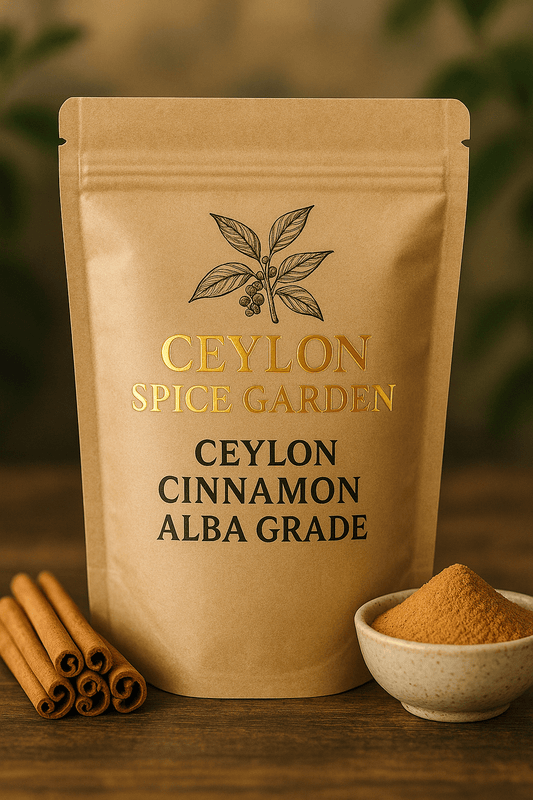
Ceylon Cinnamon Powder
Most EffectivePowder is ground from the full bark, giving you 100% of the cinnamaldehyde, eugenol, and polyphenol content. Because it dissolves in food and liquids, it contacts the digestive lining directly — maximizing absorption. Best for people who want to add it to lattes, oatmeal, smoothies, or cooking.
- Pros: Highest bioavailability, most versatile, budget-friendly
- Cons: Taste may be strong for some, requires measuring
Ceylon Cinnamon Sticks
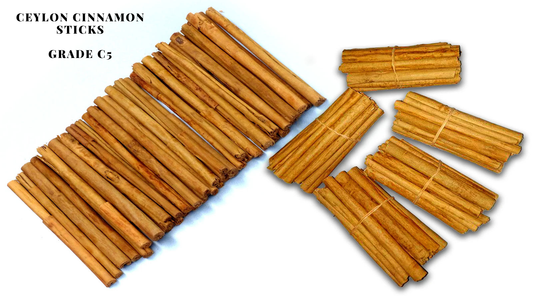
Best for TeaCinnamon sticks release their active compounds slowly during steeping. You get a lower concentration per stick compared to powder, but the gradual extraction makes them ideal for teas, simmered drinks, and infused water. Ceylon sticks are visibly different from cassia — they're soft, multi-layered rolls, not single hard bark curls. For a complete comparison, see our powder vs sticks buying guide.
- Pros: Pleasant tea ritual, reusable for 2 steepings, easy to identify as genuine Ceylon
- Cons: Lower bioavailability, less precise dosing
Ceylon Cinnamon Capsules
Most ConvenientCapsules contain pre-measured powder, making them the simplest option for consistent dosing. Absorption is slightly delayed compared to loose powder (the capsule needs to dissolve first), but total bioavailability is comparable. Best for people who want supplement-style convenience without tasting cinnamon.
- Pros: Precise dosing, no taste, portable, easy to track intake
- Cons: More expensive per gram, can't use in recipes, less verification of contents
Start with powder. It's the most cost-effective, most bioavailable, and most versatile form. You can always switch to capsules for travel or sticks for evening tea — but powder gives you the best results per dollar. Whatever form you choose, verify it's true Ceylon cinnamon — not cassia labeled as "cinnamon."
When to Take It: Timing for Maximum Effect
Timing affects how well cinnamon works for specific goals. Here's what the evidence supports:
For Blood Sugar Management
Take it with or just before your largest meal. Cinnamon's insulin-sensitizing effects are most impactful when carbohydrates are being digested. A study in the American Journal of Clinical Nutrition demonstrated that cinnamon consumed with a carbohydrate-heavy meal significantly reduced the post-meal blood glucose spike. If your biggest carb load is dinner, take your dose at dinner.
For General Wellness
Morning is most practical. Add it to your coffee, oatmeal, smoothie, or Ceylon cinnamon latte. Consistency matters more than exact timing — pick a time that lets you take it every day without forgetting.
For Sleep Support
30–60 minutes before bed. Cinnamon tea is a traditional evening drink that supports relaxation. The warmth of the tea plus cinnamon's mild stress-relieving properties makes it an effective bedtime ritual.
Split Dosing: Should You Divide Your Dose?
If you're taking 2–3 grams daily, splitting into two doses (morning + evening) can maintain more consistent blood levels throughout the day. This is especially useful for blood sugar management, where you want coverage across multiple meals. A single dose works fine for general wellness.
Quick Timing Guide
- Blood sugar: With your largest meal (or split across 2 meals)
- Cholesterol: Any consistent time, once daily
- Weight management: Morning — helps regulate appetite for the day
- Sleep: Evening, as warm cinnamon tea
- Anti-inflammatory: Any time, consistency is what matters
The Coumarin Factor: Why Ceylon Matters
This is the single most important reason why dosage advice must specify the type of cinnamon. Coumarin is a natural compound found in cinnamon bark that, in large amounts, can damage the liver. The two types of cinnamon contain dramatically different amounts:
| Factor | Ceylon (True) Cinnamon | Cassia Cinnamon |
|---|---|---|
| Coumarin Content | 0.004% (trace) | 1% (250× higher) |
| EFSA Safe Daily Limit | Virtually impossible to exceed | Exceeded at ~1 teaspoon/day |
| Safe for Daily Use? | Yes — even at 6g/day | No — liver risk with regular use |
| FDA Supplemental Warning | None | Coumarin concern applies |
The European Food Safety Authority (EFSA) established a tolerable daily intake (TDI) of 0.1 mg coumarin per kg of body weight. For a 150-pound (68 kg) person, that's 6.8 mg of coumarin per day.
With cassia cinnamon: One teaspoon (2.6g at 1% coumarin) delivers approximately 26 mg of coumarin — nearly 4× the safe daily limit.
With Ceylon cinnamon: One teaspoon (2.6g at 0.004% coumarin) delivers approximately 0.1 mg of coumarin — 1.5% of the safe daily limit. You would have to eat over 170 grams of Ceylon cinnamon daily to reach the coumarin threshold.
This is why every dosage recommendation in this guide applies specifically to Ceylon cinnamon. If you're using cassia (which is what most grocery store "cinnamon" actually is), the safe daily dosage is drastically lower — and long-term daily use is not recommended. Read our complete liver safety analysis for the full breakdown.
Side Effects and Upper Limits
Ceylon cinnamon is exceptionally safe at recommended doses. But "safe" doesn't mean "unlimited." Here's what to watch for:
- Mouth irritation: Cinnamaldehyde can cause mouth sores or tongue sensitivity at high concentrations. This is the most common complaint and resolves immediately when you reduce the dose.
- Digestive discomfort: Nausea, stomach cramps, or heartburn — especially on an empty stomach. Always take cinnamon with food to minimize this risk.
- Blood sugar dropping too low: If you take diabetes medication AND high-dose cinnamon, the combined effect can cause hypoglycemia. Monitor closely and work with your doctor.
- Blood-thinning interaction: Cinnamaldehyde has mild antiplatelet properties. At very high doses, it may interact with blood thinners like warfarin. Inform your doctor if you take anticoagulants.
The Hard Ceiling
Do not exceed 6 grams (about 2.3 teaspoons) of Ceylon cinnamon per day. No clinical study has shown additional benefit beyond 6 grams, and the risk of digestive side effects increases significantly above this threshold. The effective-to-safe range is 1–6 grams, and the sweet spot for most people is 1–3 grams.
- Diabetes medications (metformin, insulin, glipizide) — additive blood-sugar-lowering effect
- Blood thinners (warfarin, aspirin, clopidogrel) — mild antiplatelet interaction
- Liver-processed medications (statins, antifungals) — though Ceylon's coumarin is negligible, inform your doctor of any supplement use
- Antibiotics (particularly hepatotoxic ones) — precautionary
Special Populations: Pregnancy, Diabetes, Children
Pregnancy & Breastfeeding
Use CautionCulinary doses (under 1g/day): Generally considered safe. Using cinnamon as a spice in cooking is fine during pregnancy.
Supplemental doses (over 1.5g/day): Not recommended. Cinnamaldehyde may stimulate uterine contractions at higher doses, according to the NCBI Drugs and Lactation Database. Always consult your OB-GYN before using any supplement during pregnancy.
Breastfeeding: Culinary amounts are safe. Supplemental doses lack sufficient safety data — err on the side of caution and stay under 1g/day.
Type 2 Diabetes (On Medication)
Monitor CloselyCeylon cinnamon can complement diabetes management — multiple studies confirm its insulin-sensitizing effects. However, combining it with medication requires care:
- Start at 0.5g/day for the first week and monitor blood sugar closely
- Increase to 1–1.5g/day after confirming no hypoglycemic episodes
- Maximum: 3g/day with medical supervision
- Timing: Take with the same meal consistently — don't vary timing, as blood sugar effects will be unpredictable
- Never adjust your medication dose based on cinnamon without consulting your doctor
Read our detailed guide: Ceylon Cinnamon for Diabetes: Blood Sugar Control
Children (Under 12)
Lower DosesThere are no clinical trials establishing cinnamon supplement doses for children. As a general guideline:
- Ages 2–6: Culinary amounts only (a small pinch in oatmeal or smoothies, under 0.25g)
- Ages 6–12: Up to 0.5g/day (about ¼ teaspoon) may be appropriate — consult your pediatrician
- Ages 12+: Adult wellness doses (1–1.5g/day) are reasonable with parental supervision
Use Ceylon exclusively for children — cassia's coumarin threshold is much lower relative to a child's body weight.
How Long Before You See Results?
Cinnamon is not a quick fix. It's a compound that works through cumulative biochemical mechanisms — primarily improving insulin receptor sensitivity and reducing oxidative stress markers. Here's what the clinical studies show for timeline:
| Benefit | Earliest Noticeable Effect | Full Effect (Studies) |
|---|---|---|
| Post-meal blood sugar reduction | 1–2 weeks | 20–40 days |
| Fasting glucose improvement | 2–4 weeks | 40–90 days |
| Cholesterol (LDL/total) | 4–6 weeks | 40–120 days |
| Anti-inflammatory markers | 2–4 weeks | 60–90 days |
| Weight management support | 3–4 weeks | 60–90 days |
The minimum trial period should be 6–8 weeks of consistent daily use. Many people give up after 1–2 weeks because they don't "feel" anything — but cinnamon works on metabolic markers, not on perceived sensation. The benefits are measured in blood tests, not in how you feel on a given day.
For a structured approach, try our 30-Day Ceylon Cinnamon Challenge — it walks through daily dosing, meal integration, and tracking over a full month.
Ready to start with the right dose?
Our organic Ceylon cinnamon powder comes from single-origin Sri Lankan farms with third-party lab-verified purity — no cassia blends, no fillers.
Shop Ceylon Cinnamon Powder →Frequently Asked Questions
For general wellness, 1–1.5 grams (about ½ teaspoon of powder) per day is the standard recommended dose. For blood sugar support, clinical studies used 1–6 grams per day, with most showing meaningful benefits at 1–3 grams. Start at 1 gram daily for the first week and increase gradually. Do not exceed 6 grams per day. These recommendations are based on studies published in Diabetes Care and the Journal of Medicinal Food.
Yes, significantly. Ceylon cinnamon contains 0.004% coumarin compared to cassia's 1% — a 250× difference. The European Food Safety Authority set the tolerable daily intake for coumarin at 0.1 mg per kg of body weight. With cassia, you exceed this limit at just 1 teaspoon per day. With Ceylon, you would need to consume over 170 grams daily to approach the coumarin limit — making it the only cinnamon type genuinely safe for daily, long-term use. This is why we only sell true Ceylon cinnamon.
While Ceylon cinnamon's coumarin content is negligible, taking excessive amounts (over 6 grams per day) can cause digestive discomfort, mouth sores from cinnamaldehyde irritation, or interact with blood sugar and blood-thinning medications. The clinical evidence shows that 1 gram works nearly as well as 6 grams for blood sugar — so exceeding 3 grams daily offers diminishing returns with increasing risk. Stick to 1–3 grams, and consult a healthcare provider before exceeding 3 grams.
One level teaspoon of Ceylon cinnamon powder weighs approximately 2.6 grams. Half a teaspoon is about 1.3 grams. A quarter teaspoon is about 0.65 grams. This means half a teaspoon daily puts you right in the 1–1.5 gram general wellness range recommended by most clinical literature. For therapeutic blood sugar doses (3g), you'd use about 1¼ teaspoons.
It depends on your goal. For blood sugar management, take it with or immediately before your largest meal — this maximizes its effect on post-meal glucose spikes. For general wellness, morning is most practical (add it to your coffee or oatmeal). For sleep support, an evening cinnamon tea 30–60 minutes before bed promotes relaxation. If taking 2–3 grams daily, splitting the dose (morning + evening) maintains more consistent blood levels throughout the day.
At standard wellness doses (1–1.5 grams), Ceylon cinnamon is unlikely to cause hypoglycemia in healthy individuals. It improves insulin sensitivity rather than directly forcing blood sugar down. However, if you take diabetes medications like metformin or insulin, the combined effect can sometimes lower blood sugar more than expected. Start with 0.5 grams, monitor your levels closely, and inform your doctor — they may want to adjust medication timing rather than cinnamon intake.
Powder is more versatile and cost-effective. It contacts the digestive tract directly for faster absorption, and you can add it to food and drinks for enjoyable daily use. Capsules provide precise dosing, convenience, and bypass the taste — ideal for people who don't enjoy cinnamon flavor or want to take it like a supplement. Both deliver the same active compounds. See our powder vs sticks buying guide for a detailed comparison.
One standard 3-inch Ceylon cinnamon stick yields approximately 0.5–0.7 grams when ground — roughly ¼ teaspoon of powder. You'd need about 3–4 sticks to equal one teaspoon (2.6g) of ground powder. For tea, one stick steeped for 10–15 minutes releases roughly 30–50% of its active compounds into the water — so a single stick in tea delivers the equivalent of approximately 0.2–0.35 grams of consumed cinnamon. Two sticks per cup is ideal for a therapeutic tea dose.
Small culinary amounts (the amount you'd normally use in cooking, under 1 gram) are generally considered safe during pregnancy. However, supplemental doses above 1.5 grams per day are not recommended, as cinnamaldehyde may stimulate uterine contractions at higher concentrations. During breastfeeding, culinary amounts are safe, but supplemental doses lack sufficient safety data. Always consult your OB-GYN before using any supplement during pregnancy or breastfeeding.
For post-meal blood sugar improvements, you may notice differences within 1–2 weeks of consistent daily use. For fasting glucose and cholesterol reductions, clinical studies showed statistically significant results after 40–90 days at 1–6 grams per day. Weight management effects typically emerge after 3–4 weeks. Cinnamon is not a quick fix — it works through cumulative metabolic changes that require at least 6–8 weeks of consistent daily use to properly evaluate. Our 30-Day Challenge is a structured way to test its effects on your body.
Your Dosage Cheat Sheet
Ceylon cinnamon works. The clinical evidence is clear. But the dose has to be right, the type has to be Ceylon (not cassia), and the commitment has to be consistent.
Start here:
- Week 1: ½ teaspoon (1.3g) of Ceylon cinnamon powder daily, with your largest meal
- Week 2–3: If tolerated well, increase to ¾ teaspoon (2g) daily
- Week 4+: Settle at 1–1.5 teaspoons (2.6–4g) if pursuing blood sugar or cholesterol goals
- Day 40+: Get a blood panel to measure fasting glucose, HbA1c, and lipids vs your baseline
Make sure you're using genuine Ceylon cinnamon — here's how to tell the difference. The wrong type at the right dose won't give you the results these studies found — and may put your liver at risk.