Authentic Ceylon Cinnamon Sticks for Mulled Wine: Premium Winter Recipe Guide
Mulled Wine, Built From Real Spices
Every mulled wine recipe is really a spice question: which ones, how many, and how long. Here's the answer from the island that grows them — true Ceylon cinnamon at the backbone, cloves and star anise around it, and the one rule that saves every batch: never let it boil.
Why the cinnamon stick decides the batch.
Cinnamon is the spice that defines mulled wine — it's in the pot longer and deeper than anything else. Which is why the type matters: the thick, hard sticks sold as "cinnamon" in most supermarkets are cassia, which turns sharp and hot over a long warm steep. True Ceylon cinnamon (Cinnamomum verum) — the delicate, many-layered quill from Sri Lanka — stays soft and sweet the whole evening. Our lab-tested Ceylon vs cassia comparison covers the full difference.
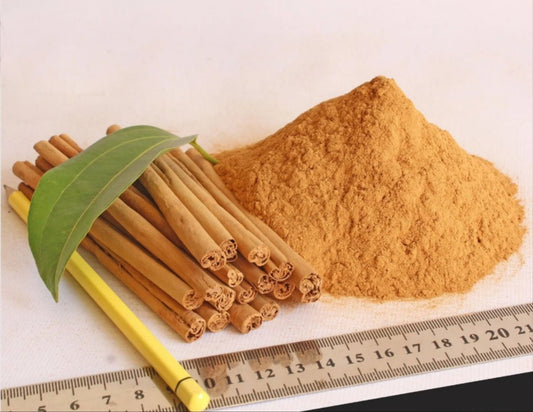
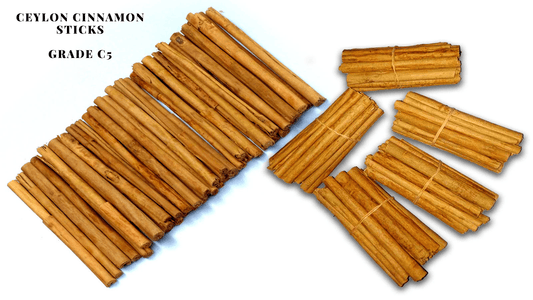
Ceylon quills look like a rolled cigar of thin, papery layers and crumble under a thumb. Cassia is one thick, hard scroll you couldn't break by hand. For a drink where cinnamon steeps for an hour, that difference is the difference.
Classic mulled wine, one pot, 25 minutes.
Don't overthink the wine — a decent, fruity, inexpensive red is correct; the spices lead. All the craft is in the heat: steaming, never boiling.
Classic Mulled Wine with Ceylon Cinnamon
6 servings · ~25 minutes · one pot
Ingredients
- 1 bottle (750 ml) fruity red — Merlot, Zinfandel or Garnacha
- 2 Ceylon cinnamon sticks
- 5 whole cloves
- 2 whole star anise pods
- 2 green cardamom pods, lightly crushed
- 1 orange, sliced — plus a strip of peel
- 2–3 tablespoons honey or sugar, to taste
- 60 ml brandy (optional, added at the end)
Method
- Pour the wine into a pot; add the cinnamon, cloves, star anise, cardamom and orange.
- Warm over low heat until steaming — 15–20 minutes. Never let it bubble: boiling burns off the alcohol and turns the spices and tannins bitter.
- Stir in the honey, then the brandy if you're using it.
- Ladle through a small strainer into mugs. Garnish with an orange slice or a fresh quill.
Mulled wine holds happily at a low steam for an hour or more — a slow cooker on "warm" (not "low") is perfect. Fish out the cloves and star anise after the first hour so they don't oversteep; the cinnamon can stay.
Same spices, red grape juice instead of wine, plus a splash of orange juice — warm it the same way, and skip most of the sweetener. For the apple version, our star anise guide has a full mulled cider recipe.
What each spice does in the pot.
Ceylon cinnamon — the backbone
Sweet warmth that carries the whole drink. Two quills per bottle; they can stay in the pot all evening without turning harsh.
Cloves — the heat
Sweet fire, counted not spooned: five per bottle. Our clove guide explains why they come out after an hour.
Star anise — the depth
Licorice-sweet bass note, and the prettiest thing in the ladle. Two pods is plenty; three takes over.
Cardamom — the lift
Two crushed pods add the citrus-floral top note that makes Nordic glögg taste alive. Optional but transformative.
Orange — the bridge
Slices plus one strip of peel. Citrus ties fruit to spice; too much peel turns bitter, so one strip only.
The extras
Two slices of fresh ginger for edge, a single grating of nutmeg over the served mug, a vanilla pod for luxury. One extra at a time.
Where mulled wine goes wrong.
Three errors cause every bad batch ever served.
-
1Boiling it.
Alcohol gone, spices bitter, tannins harsh. Steam, never bubble — it's the whole craft. -
2Ground spices.
Powder can't be strained out — the wine turns murky and gritty. Whole spices only. -
3Expensive wine.
Heat and spice erase a fine wine's subtlety. Spend on the spices, save on the bottle.
The mulled wine kit is a gift that brews.
A jar of the whole spices — 2 quills, a handful of cloves, 2 star pods, cardamom — tied to a bottle of red is a winter gift people actually use. Build it from the same spices as the pot.
Ceylon cinnamon sticks · whole cloves · star anise pods · cardamom pods — or start with the Ceylon spice starter box and gift the whole shelf.
Whole spices keep a year or more in a sealed jar, cool and dark — one winter's kit, bought once, covers the season's every pot.
Mulled wine FAQs
What spices go in mulled wine?
The classics: cinnamon sticks, whole cloves and star anise, with orange for citrus. Cardamom adds the Nordic glögg character; ginger and nutmeg are worthy extras. Always whole spices — ground turns the wine murky.
How much spice per bottle of wine?
Per 750 ml bottle: 2 cinnamon sticks, 4–6 cloves, 1–2 star anise, 2 cardamom pods, one sliced orange. Doubling the batch? Scale spices by about 1.5×, not 2× — they extract efficiently in bigger pots.
Can you boil mulled wine?
No — boiling is the classic mistake. It drives off the alcohol and turns spices and tannins bitter. Keep it at a low steam; it can hold there for an hour or more.
What's the best wine to use?
Inexpensive, fruity, medium-bodied red: Merlot, Zinfandel, Garnacha. Avoid heavily oaked or tannic bottles, which go harsh when heated. The spices lead — save the good bottle for the table.
Why Ceylon cinnamon specifically?
Cinnamon steeps longer in mulled wine than in almost any other use, and true Ceylon stays soft and sweet where hard cassia sticks turn sharp and hot. For a drink built on its cinnamon, the quill is the decision.
Can I make it without alcohol?
Yes — same spices in red grape juice with a splash of orange juice, warmed the same way. Cut the sweetener since juice is already sweet. Apple cider works identically — recipe in our star anise guide.
Can I reuse the spices?
Once, same day — the second pot brews gentler, so add one fresh clove and a fresh piece of quill. Don't keep spices that have soaked overnight.
Spend on the spices, save on the wine.
True Ceylon cinnamon quills, hand-picked cloves, whole star anise and green cardamom — lab-tested by batch and shipped farm-direct from Sri Lanka with tracking to the USA in 8–12 days. One order covers every pot of the season.
Keep reading: how to use star anise · how to use whole cloves · pumpkin spice chai latte.